
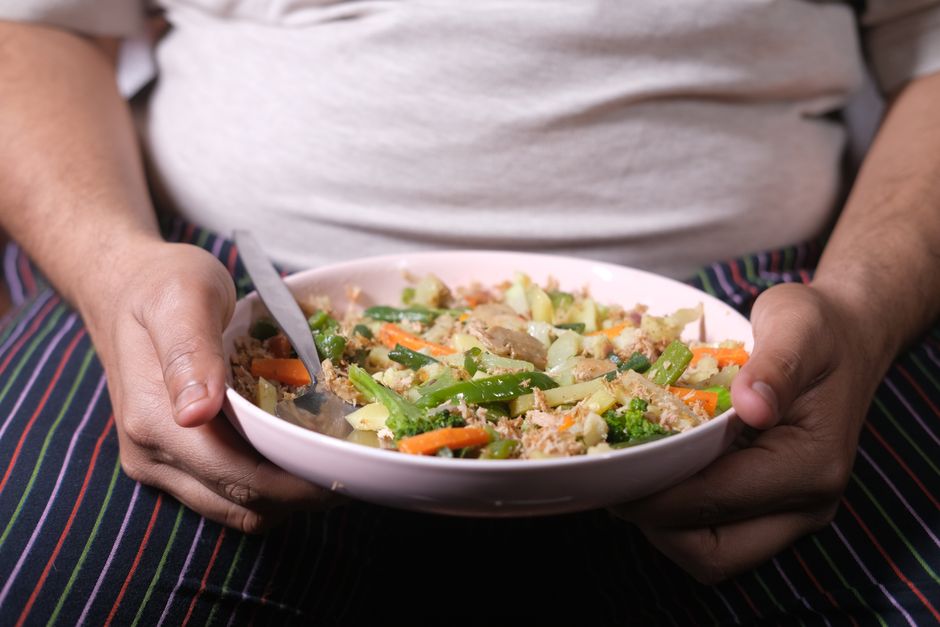
If you get diarrhea after eating vegetables, you are not imagining it — and you are not alone. The most common reason is that your gut is reacting to a sudden increase in fiber, particularly insoluble fiber, which speeds up the movement of waste through your intestines. Other common causes include FODMAPs (fermentable carbohydrates found in many vegetables), food intolerance, and in some cases, an underlying digestive condition that vegetables simply bring to light.
The frustrating part is that vegetables are supposed to be good for you. So when your body seems to punish you for eating them, it is easy to feel stuck. The good news is that the cause is usually identifiable, and the fix is usually not to give up vegetables entirely.
Why Do I Get Diarrhea After Eating Vegetables?
Fiber is the most common trigger. When you eat vegetables, you are consuming a mix of soluble and insoluble fiber. Insoluble fiber — found in high amounts in raw vegetables, leafy greens, broccoli, and the skins of many produce items — does not dissolve in water. Instead, it adds bulk to your stool and stimulates the muscles of your colon to move contents along faster.
If your gut is not used to that level of fiber, the result can be loose, urgent stools. This is especially true if you went from eating very few vegetables to eating a lot of them in a short period. Your gut bacteria and your intestinal muscles both need time to adapt.
Soluble fiber behaves differently. It absorbs water and forms a gel-like substance, which usually slows digestion and firms up stool. Vegetables contain both types, so the effect you get depends on which vegetables you are eating and how much.
There is also a mechanical factor. Vegetables are physically bulky. A large salad or a plate of roasted vegetables delivers a lot of volume and water into your colon at once, and your colon has to process all of it. For some people, that alone is enough to change stool consistency.
Can Certain Vegetables Trigger Diarrhea More Than Others?
Yes. Some vegetables are more likely to cause loose stools than others, and the reasons vary.
Vegetables high in FODMAPs are a common culprit. FODMAP stands for fermentable oligosaccharides, disaccharides, monosaccharides, and polyols. These are short-chain carbohydrates that are poorly absorbed in the small intestine. When they reach the colon, gut bacteria ferment them rapidly, producing gas and pulling water into the bowel. That combination can cause bloating, cramping, gas, and diarrhea.
High-FODMAP vegetables include:
- Onions and garlic
- Cauliflower
- Mushrooms
- Asparagus
- Artichokes
- Snow peas and sugar snap peas
- Cabbage (in large amounts)
These vegetables are not “bad.” They are simply harder for some digestive systems to process, particularly in people with irritable bowel syndrome (IBS). Research estimates that a majority of people with IBS are sensitive to at least some FODMAPs, though sensitivity varies widely from person to person.
Other vegetables are more likely to cause problems because of their fiber type or because they are often eaten raw. Raw vegetables are generally harder to digest than cooked ones because cooking breaks down cell walls and softens fiber. If raw salads consistently send you running to the bathroom, cooking your vegetables may make a noticeable difference.
Is It the Vegetables or Something Else You Ate With Them?
This is worth considering carefully, because vegetables are rarely eaten alone.
If you are eating a salad, you may also be eating dressing that contains high-FODMAP ingredients like garlic or onion powder. If you are eating a stir-fry, the sauce may contain sorbitol or other sugar alcohols. If you are eating a veggie platter, you may be dipping into something dairy-based, and lactose intolerance is extremely common in adults.
Some people react to specific compounds in vegetables rather than fiber or FODMAPs. For example, some people have difficulty with sulfites or natural food chemicals like salicylates, though true sensitivity to these is less common and harder to confirm.
It also matters how fast you ate. A large meal eaten quickly can overwhelm your digestive system regardless of what is in it.
If you want to figure out what is actually causing your symptoms, try eating the vegetables plain and cooked, without sauces, dressings, or other additions. If the diarrhea stops, the vegetables may not be the problem at all.


Could It Be a Sign of an Underlying Condition?
Sometimes diarrhea after vegetables is not about the vegetables. It is about a digestive system that is already sensitive, and the vegetables simply push it over the edge.
The most common underlying condition is irritable bowel syndrome (IBS). IBS is a disorder of gut-brain interaction. It does not damage the intestines, but it makes them unusually reactive to normal stimuli, including fiber and FODMAPs. People with IBS often find that certain vegetables reliably trigger symptoms while others do not.
Other conditions that can cause diarrhea after eating vegetables include:
- Small intestinal bacterial overgrowth (SIBO) — excess bacteria in the small intestine ferment food before it is fully absorbed
- Crohn’s disease or ulcerative colitis — inflammatory bowel diseases that can make the gut react strongly to fiber
- Celiac disease — an immune reaction to gluten that damages the small intestine and can cause diarrhea from many foods, including vegetables
- Exocrine pancreatic insufficiency — the pancreas does not produce enough digestive enzymes, so food is poorly broken down
- Bile acid malabsorption — bile acids reach the colon and trigger watery diarrhea
These conditions usually come with other symptoms. If you have persistent diarrhea, unintended weight loss, blood in your stool, fatigue, or symptoms that wake you at night, that is a reason to see a doctor. Diarrhea that only happens after vegetables and resolves otherwise is less likely to be serious, but it is still worth understanding.
How Can You Eat Vegetables Without the Diarrhea?
The goal is almost never to stop eating vegetables. It is to change how you eat them so your gut can handle them.
Start smaller. If you are currently eating very few vegetables, do not jump to five servings a day. Add one small serving at a time and give your gut a week or two to adjust. Fiber tolerance builds gradually.
Cook your vegetables more often. Steaming, roasting, and sautéing break down fiber and make vegetables easier to digest. If raw salads are a problem, try cooked versions of the same vegetables and see if symptoms change.
Pay attention to which vegetables cause problems. Keep a simple food and symptom log for a couple of weeks. You may find that cauliflower and onions are triggers while zucchini and carrots are fine. This is more useful than cutting out all vegetables.
Try lower-FODMAP vegetables if you suspect FODMAP sensitivity. These include:
- Zucchini (small amounts)
- Carrots
- Bell peppers
- Spinach
- Green beans
- Potatoes
- Tomatoes
A low-FODMAP diet is best done with guidance from a registered dietitian, because it is restrictive and not meant to be permanent. The goal is to identify your specific triggers, not to avoid all FODMAPs forever.
Chew thoroughly and eat more slowly. Digestion starts in the mouth, and poorly chewed food is harder for the rest of your gut to process.
Consider whether you are eating vegetables with other trigger foods. If dairy, garlic, or sugar alcohols are also in the meal, remove them one at a time to see what changes.
When Should You See a Doctor?
See a doctor if diarrhea after vegetables is persistent, if it is getting worse, or if it comes with any of the following:
- Blood or mucus in your stool
- Unintended weight loss
- Diarrhea that wakes you from sleep
- Fever
- Severe abdominal pain
- Signs of dehydration, such as dizziness, dark urine, or dry mouth
- A family history of celiac disease, Crohn’s disease, or colon cancer
These signs do not automatically mean something serious is going on, but they are reasons to get evaluated rather than self-manage. A doctor can order tests to rule out conditions like celiac disease, inflammatory bowel disease, or infection.
If your symptoms are mild and predictable — you eat a big raw salad and get loose stools a few hours later — that is usually a fiber or FODMAP issue, and it can often be managed with changes to how you prepare and eat vegetables.
Frequently Asked Questions
Why do vegetables give me diarrhea but not other people?
Individual tolerance to fiber and FODMAPs varies widely based on your gut bacteria, how fast your intestines move, and whether you have a condition like IBS. What causes symptoms in one person may cause none in another.
Which vegetables are most likely to cause diarrhea?
High-FODMAP vegetables like onions, garlic, cauliflower, mushrooms, and asparagus are the most common triggers. Raw vegetables in general are also more likely to cause problems than cooked ones.
Does cooking vegetables make them easier to digest?
Yes. Cooking breaks down cell walls and softens fiber, which makes vegetables easier for your gut to process. If raw vegetables cause diarrhea, cooked versions of the same vegetables often do not.
Can eating too many vegetables cause diarrhea?
Yes. A sudden increase in fiber — even from healthy vegetables — can overwhelm your gut and cause loose stools. Increasing fiber gradually usually prevents this.
