
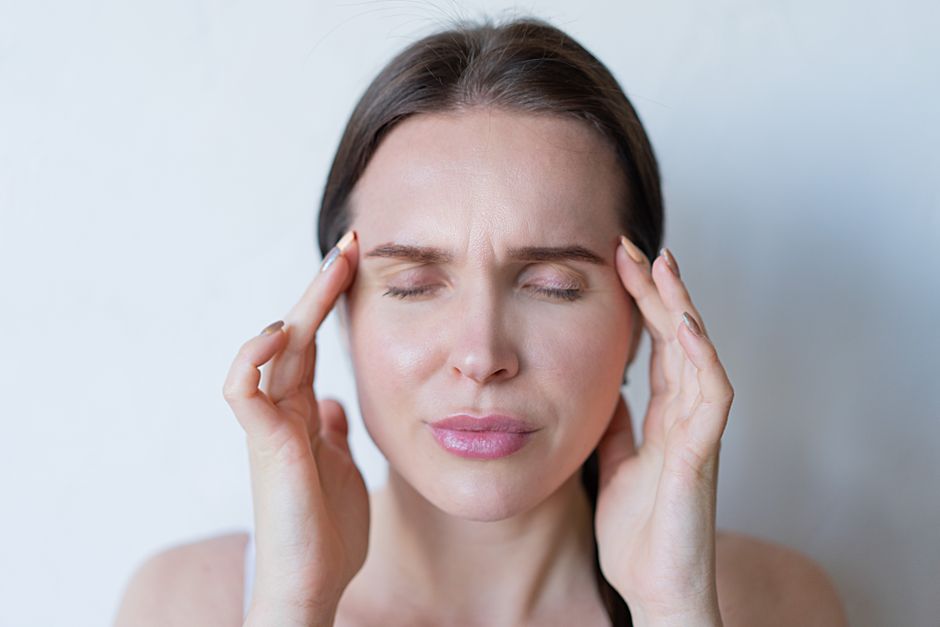
Waking up with a headache or feeling one build every afternoon is common, and it usually has a cause that can be identified. The most frequent reasons for daily headaches are medication overuse, chronic migraine, tension-type headache, sleep problems, stress, dehydration, skipped meals, and caffeine patterns. A daily headache is not normal, and it is not something you have to live with.
Doctors call this pattern “chronic daily headache” when it happens 15 or more days a month. That is a defined clinical threshold, not a rough guess. The good news is that most daily headaches fall into a few recognizable categories, and each one points to a different cause and a different path forward.
Why Am I Getting A Headache Every Day Causes? Root Causes
The single most common cause of a daily headache is overusing pain relievers. This is called medication overuse headache, and it is well documented in neurology. When you take aspirin, ibuprofen, acetaminophen, or a combination pain reliever on more days than not, the brain adapts to the drug. When the dose wears off, a new headache starts. You take more medication. The cycle tightens.
The threshold doctors use for this pattern is taking simple pain relievers on 15 or more days a month, or taking triptans, opioids, or combination analgesics on 10 or more days a month. If your headaches became daily after you started treating them regularly, that timeline itself is a strong clue.
Beyond medication, the main root causes fall into these groups:
- Primary headache disorders — chronic migraine and chronic tension-type headache. These are conditions in their own right, not symptoms of something else.
- Medication overuse — the rebound cycle described above.
- Sleep problems — too little sleep, poor quality sleep, or untreated sleep apnea.
- Metabolic and lifestyle triggers — dehydration, skipped meals, low blood sugar, and irregular caffeine intake.
- Stress and mood — ongoing anxiety or depression is strongly associated with daily headache.
- Secondary causes — a smaller group of conditions where the headache is a warning sign of something else.
Most people with daily headaches have more than one of these going on at once. Untangling them is the work.
What Is Medication Overuse Headache?
Medication overuse headache is a headache caused by the treatment for headache. It is one of the most common and most missed diagnoses in primary care, and it is the first thing a doctor should rule out in anyone with a daily pattern.
The mechanism is not fully understood, but the pattern is consistent. Frequent use of acute pain medication appears to change how the brain regulates pain signaling. The result is a lower pain threshold and a headache that returns as each dose fades.
What makes this tricky is that the medication genuinely works at first. That is the trap. The relief is real, so the pattern feels like a worsening headache problem rather than a treatment problem.
Some medications carry higher risk than others. Opioids and butalbital-containing combination drugs are associated with the highest risk of this cycle. Caffeine-containing combination pain relievers are also strongly linked to it. Regular use of simple analgesics alone can also cause it, just more slowly.
Breaking the cycle usually means stopping the overused medication. This is done with medical guidance, because withdrawal headaches can be significant for a period of days to weeks before the pattern improves. No one should attempt this alone if they are taking opioids or butalbital, or if they have other health conditions.
How Do Chronic Migraine and Tension-Type Headache Differ?
These are the two primary headache disorders most likely to become daily, and they feel different.
Migraine is more than a headache. It typically brings throbbing pain, often on one side, along with nausea, and sensitivity to light and sound. Movement usually makes it worse. Some people get visual changes or other neurological symptoms before the pain, which is called aura.
Tension-type headache tends to feel like pressure or tightness, often on both sides, like a band around the head. It is usually not made worse by movement, and it does not typically come with nausea or light sensitivity.
Both can become chronic. Chronic migraine is defined as headache on 15 or more days a month, with at least 8 of those days having migraine features. Chronic tension-type headache is headache on 15 or more days a month with tension-type features.
Many people with a daily headache have features of both. That overlap is common and it is one reason a proper diagnosis matters — the treatments are not identical.





Can Sleep, Stress, and Dehydration Really Cause Daily Headaches?
Yes, and they often work together. None of these is a minor factor when the pattern is daily.
Sleep and headache have a two-way relationship. Poor sleep can trigger headaches, and headaches disrupt sleep. Obstructive sleep apnea is a specific and under-recognized cause. In this condition, breathing repeatedly stops during sleep, which fragments rest and reduces oxygen. Morning headaches are a recognized feature. If you snore heavily, wake unrefreshed, or feel excessively sleepy during the day, this is worth raising with a doctor.
Dehydration is a well-established headache trigger. Even mild fluid loss can bring on a headache in people who are prone to them. Skipping meals matters for a related reason — going too long without food can trigger a headache in susceptible people.
Stress and mood disorders are strongly associated with chronic daily headache. This is not a claim that the headache is “in your head.” Chronic stress affects pain processing in the nervous system in measurable ways. Anxiety and depression commonly occur alongside chronic headache, and treating them often helps the headache.
Caffeine deserves its own mention. It can relieve a headache in the short term, and it is an ingredient in some headache medications. But regular caffeine use creates dependence, and missing your usual dose can trigger a withdrawal headache. An inconsistent caffeine pattern can produce a daily headache all by itself.
When Is a Daily Headache a Sign of Something More Serious?
Most daily headaches are primary headaches or medication-related. A smaller number point to another condition, and these need prompt medical attention.
Seek medical care promptly if a headache comes with any of the following:
- A sudden, severe headache that peaks within seconds to minutes — often described as the worst headache of your life
- Headache with fever and a stiff neck
- Headache after a head injury
- Weakness, numbness, confusion, trouble speaking, or vision loss
- A headache that is steadily worsening over days or weeks
- A new daily headache pattern starting after age 50
- Headache with persistent vomiting, or that is worse when lying down or when coughing
These features do not confirm a specific diagnosis on their own. They are reasons to be evaluated rather than to self-treat. Many conditions can produce similar warning signs, which is exactly why a clinician needs to assess them.
If none of these apply, a daily headache is still worth investigating. It is not an emergency, but it is a real medical problem with real treatment options.
What Actually Helps a Daily Headache Pattern?
The first step is getting an accurate diagnosis, because the treatment for medication overuse headache is different from the treatment for chronic migraine. Treating the wrong one can make things worse.
For medication overuse, the core step is reducing or stopping the overused medication, with medical supervision. For chronic migraine, doctors may prescribe preventive medications taken daily to reduce headache frequency, rather than only treating attacks as they happen. Several classes of preventive drugs exist, and response varies from person to person.
Beyond medication, the evidence supports a few consistent habits:
- Keeping regular sleep and wake times, including weekends
- Eating meals on a consistent schedule
- Staying consistently hydrated
- Keeping caffeine intake steady and moderate rather than fluctuating
- Getting regular physical activity
- Tracking headaches, medications, sleep, and possible triggers in a diary
A headache diary is not busywork. It is often what reveals the medication overuse pattern or the sleep connection that neither you nor your doctor would otherwise see.
Behavioral approaches, including cognitive behavioral therapy and relaxation-based treatments, have evidence for helping chronic headache. They are not a replacement for medical treatment, but they can be a useful part of it.
What does not have solid evidence is most of what is sold as a headache supplement or “natural” remedy. Some products have small studies behind them, but few have large, well-controlled trials confirming benefit. If you are considering a supplement, tell your doctor — some interact with medications.
Frequently Asked Questions
Can taking pain relievers every day cause headaches?
Yes. Taking simple pain relievers on 15 or more days a month, or triptans and certain combination drugs on 10 or more days a month, can cause medication overuse headache. The headache is caused by the treatment, and it often improves once the overused medication is stopped under medical guidance.
What is the most common cause of a headache every day?
Medication overuse is the most common cause of a daily headache pattern. Chronic migraine and chronic tension-type headache are the next most common, and many people have more than one factor at the same time.
When should I see a doctor for daily headaches?
See a doctor if you have headaches on 15 or more days a month, or if you are taking pain relievers more days than not. Seek care right away for a sudden severe headache, headache with fever and stiff neck, or headache with weakness, confusion, or vision changes.
Can dehydration cause a headache every day?
Dehydration is a well-established headache trigger, and ongoing mild dehydration can contribute to a recurring pattern. It is rarely the only cause, so it is worth addressing alongside sleep, meals, caffeine, and medication use.
