
You may have seen claims online that drinking chai tea from India can cure almost anything. The direct answer is no — chai is a flavorful drink, not a medicine. It can be part of a healthy diet, and it does contain ingredients with some evidence behind them, but no tea will cure a disease or replace medical treatment.
Chai is a black tea brewed with spices and milk. The word “chai” simply means tea in many parts of the world, and the spiced version popular in the West is often called masala chai. Its health effects come from the tea leaves and the spices, which have been studied individually. But the evidence for the drink as a whole is limited, and most claims go far beyond what research supports.
What Is Chai Tea Actually Made Of?
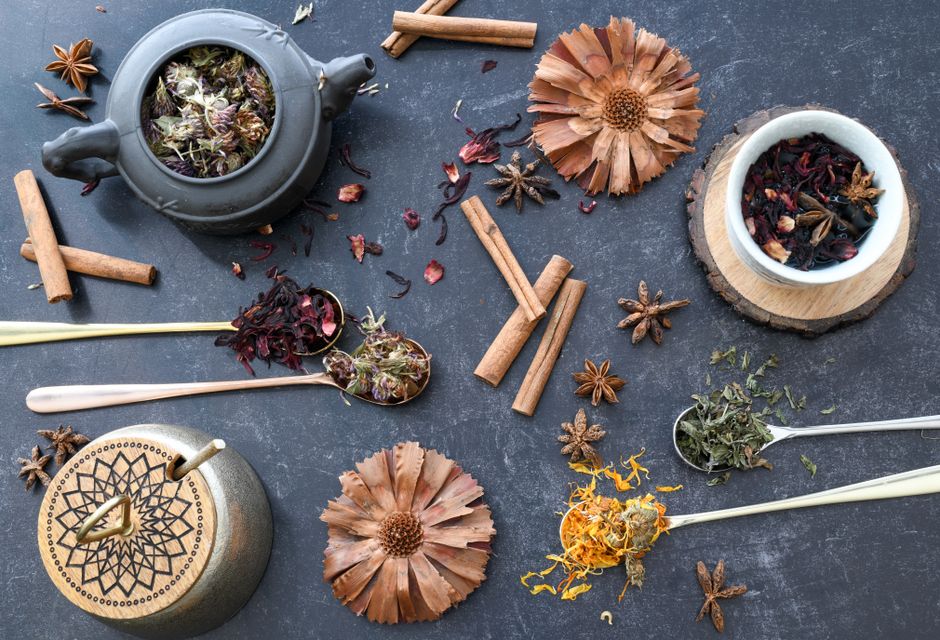
Chai is a blend of black tea, milk, sweetener, and spices. The spice mix varies by region and by the person making it. Common spices include cardamom, cinnamon, ginger, cloves, and black pepper.
Some recipes also use fennel, star anise, or nutmeg. The base is almost always black tea, which is the same tea used for English breakfast or Earl Grey. The milk is usually cow’s milk, though many cafes offer oat, almond, or soy versions.
The nutritional profile depends heavily on how it is made. A chai made with whole milk and sugar is very different from one made with skim milk and no sweetener. A typical 12-ounce chai latte with whole milk and sweetener can contain 150 to 250 calories and 20 to 40 grams of sugar. That matters more for health than most of the spice claims you will read.
Can Chai Tea From India Provide Real Health Benefits?
Black tea is the most studied ingredient in chai. Research consistently shows that regular black tea consumption is associated with improved heart health markers, including lower blood pressure and better cholesterol profiles. The evidence comes from observational studies and some controlled trials, and the effects are modest.
The spices in chai also have some research behind them. Ginger has been shown in clinical trials to reduce nausea, particularly in pregnancy and after surgery. Cinnamon has been studied for blood sugar control, and some small trials show a small benefit for people with type 2 diabetes. Cardamom and cloves have antioxidant properties, and black pepper may improve absorption of certain nutrients.
But here is the important part. The amounts of spices in a cup of chai are small. A teaspoon of cinnamon total per cup is common, and the other spices are used in even smaller quantities. The studies that show benefits use much larger doses, often in supplement form. Drinking chai will not replicate those study conditions.
Is There Any Evidence That Chai Can Cure Disease?
No. There is no clinical evidence that chai tea cures any disease. Some marketing materials suggest chai can cure infections, reverse diabetes, or prevent cancer. None of those claims are supported by human studies.
Black tea contains polyphenols, which are antioxidant compounds. Antioxidants are important because they neutralize free radicals in the body. But the leap from “contains antioxidants” to “prevents cancer” is not supported by evidence. Large clinical trials testing antioxidant supplements have mostly failed to show protective effects against cancer or heart disease.
The same logic applies to the spices. Ginger has anti-inflammatory properties, and cinnamon has been studied for blood sugar. But these are modest effects, not cures. A person with type 2 diabetes who drinks chai instead of taking prescribed medication is making a dangerous decision. Chai is not a treatment for diabetes, heart disease, or any other condition.





Does Chai Tea From India Help With Digestion?
Ginger and cardamom are both used traditionally for digestive complaints, and there is some evidence to support this. Ginger has been shown in clinical trials to speed up gastric emptying, which is the rate at which food leaves the stomach. This may help with feelings of fullness and mild indigestion.
Black pepper stimulates digestive enzymes, and cloves have mild antimicrobial properties. These effects are real but small. A cup of chai after a heavy meal may help you feel more comfortable, but it will not treat a diagnosed digestive condition like irritable bowel syndrome or gastritis.
One thing to consider is the milk. Some people have difficulty digesting lactose, the sugar in milk. For those individuals, chai made with cow’s milk may cause bloating, gas, or diarrhea. Choosing a lactose-free milk or a plant-based milk can avoid this problem.
Can Chai Tea From India Boost Your Energy?
Chai contains caffeine because it is made with black tea. A standard cup of black tea has about 40 to 70 milligrams of caffeine, roughly half the amount in a cup of coffee. The caffeine in chai can improve alertness and focus, and this effect is well established.
Some people report that chai gives them a smoother energy boost than coffee. This may be because of the lower caffeine content or because the milk and fat slow absorption. But no clinical study has directly compared chai to coffee for energy effects. The difference, if any, is likely small.
If you are sensitive to caffeine, be aware that chai does contain it. Drinking chai in the evening may interfere with sleep, especially if you are caffeine-sensitive. Decaffeinated chai is available and contains only trace amounts.
What Are the Risks of Drinking Chai Tea?
For most healthy adults, chai is safe in moderation. The main concerns are added sugar, caffeine, and potential interactions with medications.
Added sugar is the biggest issue. Many commercial chai mixes and cafe versions are heavily sweetened. Regularly consuming large amounts of added sugar is linked to weight gain, type 2 diabetes, and heart disease. If you drink chai daily, consider asking for less sweetener or making it at home where you control the sugar.
Caffeine is a concern for people with anxiety, heart rhythm problems, or sleep issues. If you are pregnant, the American College of Obstetricians and Gynecologists recommends limiting caffeine to under 200 milligrams per day. A single cup of chai is well within that limit, but multiple cups can add up.
Some spices interact with medications. Ginger can increase the risk of bleeding in people taking blood thinners like warfarin. Cinnamon in very large doses may affect blood sugar medications. These interactions are rare with normal dietary amounts, but if you take prescription medication, it is reasonable to mention your chai habit to your doctor.
How Does Chai Compare to Green Tea or Coffee?
| Drink | Caffeine per 8 oz | Key compounds | Main evidence |
|---|---|---|---|
| Chai (black tea base) | 40-70 mg | Polyphenols, ginger, cinnamon | Heart health markers, digestion |
| Green tea | 25-45 mg | Catechins, L-theanine | Heart health, modest weight effects |
| Coffee | 80-100 mg | Chlorogenic acid, caffeine | Alertness, liver health |
No drink is inherently superior. Green tea has more studied catechins, but chai provides a broader range of spices. Coffee has more caffeine and stronger short-term alertness effects. The best choice depends on your caffeine tolerance, taste preference, and how much sugar you add.
What Is the Bottom Line on Chai Tea From India?
Chai is a pleasant, flavorful drink with some modest health benefits. The black tea base is associated with better heart health markers. The spices have real but small effects on digestion, nausea, and blood sugar. None of this makes chai a cure for any illness.
Be skeptical of any product that claims chai can cure disease, reverse chronic conditions, or replace medication. These claims are marketing, not medicine. The most honest summary is that chai is a healthy beverage choice when consumed without excessive sugar, and it is not a treatment for anything.
If you enjoy chai, drink it. If you are looking for a beverage with proven health effects, black tea and green tea both have more research behind them. If you are looking for a cure, talk to a doctor — not a tea shop.
Frequently Asked Questions
Is chai tea from India good for weight loss?
No clinical evidence shows that chai causes weight loss. The black tea and spices may have very small metabolic effects, but any benefit is easily canceled by the sugar and milk in most chai recipes.
Can I drink chai tea every day?
Yes, for most healthy adults, daily chai is safe in moderation. Watch your caffeine intake and total added sugar, especially if you drink multiple cups or use sweetened mixes.
Does chai tea have more caffeine than coffee?
No, chai has less caffeine than coffee. A typical 8-ounce cup of chai has 40 to 70 milligrams of caffeine, while the same amount of coffee has roughly 80 to 100 milligrams.
Is chai tea safe during pregnancy?
Chai is generally safe in pregnancy if you limit caffeine to under 200 milligrams per day, which means about two cups of chai. Some herbal blends labeled as chai may contain herbs that are not studied in pregnancy, so check the ingredient list.
