
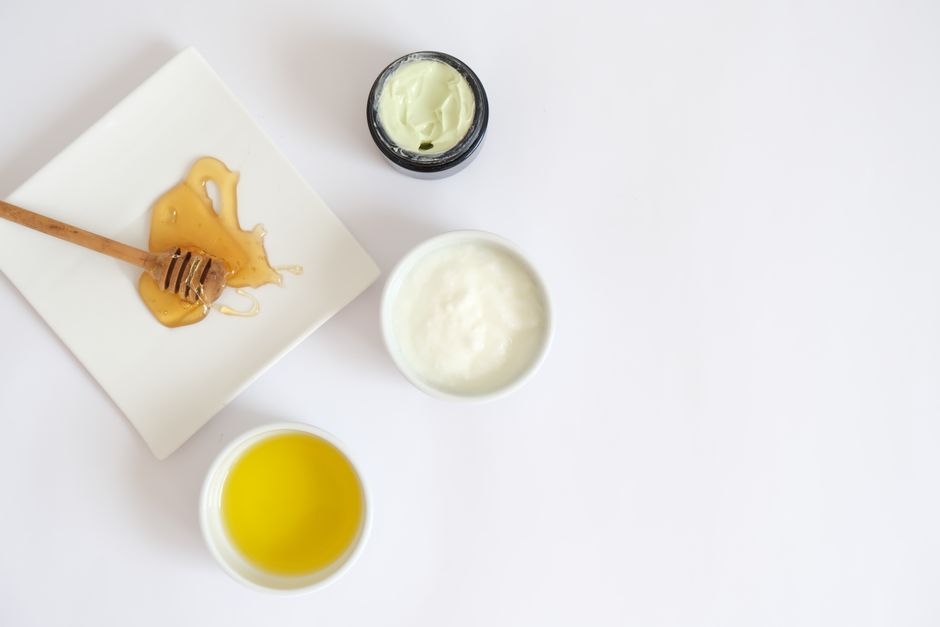
Manuka honey has real antifungal properties, but it is not a proven treatment for internal fungal infections. Research shows it can stop certain fungi from growing in laboratory settings, and it has been used successfully on skin and wound infections. However, no clinical guidelines currently recommend manuka honey as a primary treatment for fungal infections inside the body. Understanding where the evidence stands—and where it does not—matters before you spend money on products making bold claims.
What Makes Manuka Honey Different From Regular Honey?
All honey has some natural antimicrobial activity. Manuka honey comes from the nectar of the manuka tree, which grows mainly in New Zealand and parts of Australia. What sets it apart is a compound called methylglyoxal, often shortened to MGO.
Most honeys produce hydrogen peroxide when diluted. This is a mild antiseptic effect. Manuka honey contains methylglyoxal, which stays active even when hydrogen peroxide breaks down. This makes manuka honey more stable as an antimicrobial agent.
Manufacturers rate manuka honey by its MGO content. A rating of MGO 100+ means at least 100 milligrams of methylglyoxal per kilogram of honey. Higher ratings mean stronger antibacterial activity. These ratings measure antibacterial strength, not antifungal strength specifically.
Does Manuka Honey Kill Fungus?
Laboratory studies consistently show that manuka honey can inhibit fungal growth. Research has tested it against several types of fungi, including Candida albicans, which causes yeast infections, and various dermatophytes that cause skin conditions like athlete’s foot.
In petri dish studies, manuka honey slows fungal growth or stops it entirely. The effect depends on the concentration of honey and the specific fungus being tested. Some fungi are more sensitive to honey than others.
The mechanism appears to work in multiple ways. The high sugar content draws water out of fungal cells, which damages them. The acidity of honey creates an environment fungi struggle to survive in. Methylglyoxal itself damages fungal cell walls. These effects combine rather than working through a single pathway.
Clinical evidence in humans is far more limited. Some case reports describe successful treatment of fungal skin infections with medical-grade manuka honey dressings. These reports are encouraging but do not constitute strong evidence. No large controlled trials have confirmed manuka honey as a reliable antifungal treatment in people.
Can Manuka Honey Treat Skin Fungus?
Medical-grade manuka honey dressings are approved for wound care. They help with wound healing and reduce bacterial load. Some clinicians use them when fungal infections complicate wounds, particularly in people with diabetes or weakened immune systems.
For common skin fungal infections like athlete’s foot, ringworm, or jock itch, the evidence is mixed. Some small studies suggest honey applied topically can improve symptoms. Other research finds little benefit compared to standard antifungal creams.
Standard antifungal medications remain the first-line treatment for skin fungus. Over-the-counter creams containing clotrimazole, miconazole, or terbinafine have strong evidence behind them. Manuka honey should not replace these treatments without a healthcare provider’s guidance.
One practical concern is that honey is sticky and can be difficult to keep in place on skin. It also requires multiple applications daily. This makes it less practical than a cream or spray for most people.



What About Candida and Yeast Infections?
Candida is the most studied fungus in relation to honey. Laboratory research shows manuka honey can inhibit Candida albicans growth, including some strains resistant to standard antifungal drugs. This has generated interest in honey as an alternative therapy.
Oral thrush is one area where honey has shown some promise. Small studies have compared honey to standard antifungal rinses with mixed results. Some found honey worked as well as medication; others found it less effective. The quality of these studies varies considerably.
Vaginal yeast infections are different. No reliable clinical evidence supports putting honey inside the vagina. This practice carries risks, including introducing new bacteria or irritating sensitive tissue. Standard antifungal treatments for vaginal yeast infections are well-established and effective.
Systemic candidiasis—a yeast infection in the bloodstream—requires hospital treatment with intravenous antifungal drugs. Honey plays no role in this condition.
Can You Eat Manuka Honey for Fungal Infections?
Eating manuka honey for a fungal infection inside the body is not supported by evidence. When you swallow honey, digestive enzymes and stomach acid break it down. The antifungal compounds do not survive digestion in sufficient concentrations to reach internal organs or tissues.
Some people take manuka honey hoping it will treat gut yeast overgrowth. This idea is popular in alternative health circles but lacks clinical support. No studies have demonstrated that eating honey reduces fungal populations in the human digestive tract.
Eating manuka honey is safe for most people in moderate amounts. It is still sugar, and excess sugar intake can worsen certain health conditions. People with diabetes should account for the carbohydrate content. Infants under one year should never consume honey due to botulism risk.
Does Medical-Grade Manuka Honey Work Better Than Grocery Store Honey?
Medical-grade manuka honey is sterilized and standardized. It is produced under controlled conditions and tested for consistent MGO levels. This is what makes it suitable for use on open wounds.
Grocery store manuka honey may contain the same active compounds, but the concentration varies. Some products labeled as manuka honey contain very little methylglyoxal. Others are blends with regular honey. The label does not always reflect the actual potency.
For wound care, only medical-grade honey should be used. Regular honey can contain spores and bacteria that cause infection in broken skin. Medical-grade honey is irradiated to eliminate these contaminants.
For eating purposes, the grade matters less. A high-MGO honey from a reputable brand is fine to consume. The health benefits of eating honey, however, are modest and do not include treating fungal infections.
How to Use Manuka Honey Safely for Skin Conditions
If you want to try manuka honey for a skin condition, talk to a healthcare provider first. They can confirm whether the condition is actually fungal. Many skin rashes look similar but have different causes.
For minor skin issues, a patch test is wise. Apply a small amount to unaffected skin and wait 24 hours to check for an allergic reaction. Honey can cause contact dermatitis in some people.
Use medical-grade honey products for any application on broken skin. These are available as dressings, gels, and ointments designed for wound care. Follow the product instructions for application and frequency.
If symptoms do not improve within a week, stop using honey and see a healthcare provider. Fungal infections that do not respond to home treatment may require prescription medication.
What the Research Does Not Show
No clinical evidence currently confirms that manuka honey cures fungal infections on its own. The laboratory data is promising, but laboratory conditions differ from the human body. Concentrations that work in a petri dish are not achievable in most body tissues.
Some marketing claims suggest manuka honey is a natural alternative to antifungal drugs. This overstates the evidence. Honey has not been compared head-to-head with standard antifungal medications in large clinical trials for most conditions.
Resistance is another consideration. Some research suggests fungi can develop resistance to honey components over time, just as they do with conventional drugs. Using honey indiscriminately could contribute to this problem.
The honest position is that manuka honey shows real antifungal activity in the lab and some clinical promise for skin applications. It is not a proven treatment for internal fungal infections, and it should not replace established medical care.
Frequently Asked Questions
Is manuka honey effective against toenail fungus?
No clinical evidence confirms manuka honey treats toenail fungus effectively. Toenail fungus is notoriously difficult to treat and typically requires prescription antifungal medication applied over many months.
How long does it take for manuka honey to kill fungus?
No established timeline exists because clinical evidence is limited. Laboratory studies show antifungal effects within hours, but this does not translate to a reliable treatment duration in humans.
Can manuka honey cure a yeast infection?
No, manuka honey cannot cure a vaginal yeast infection or systemic candidiasis. Standard antifungal medications remain the proven treatment, and honey should not be used internally for this purpose.
What is the best MGO rating for antifungal use?
No research identifies an optimal MGO rating for antifungal effects. Higher MGO ratings indicate stronger antibacterial activity, but antifungal strength has not been standardized in the same way.
