
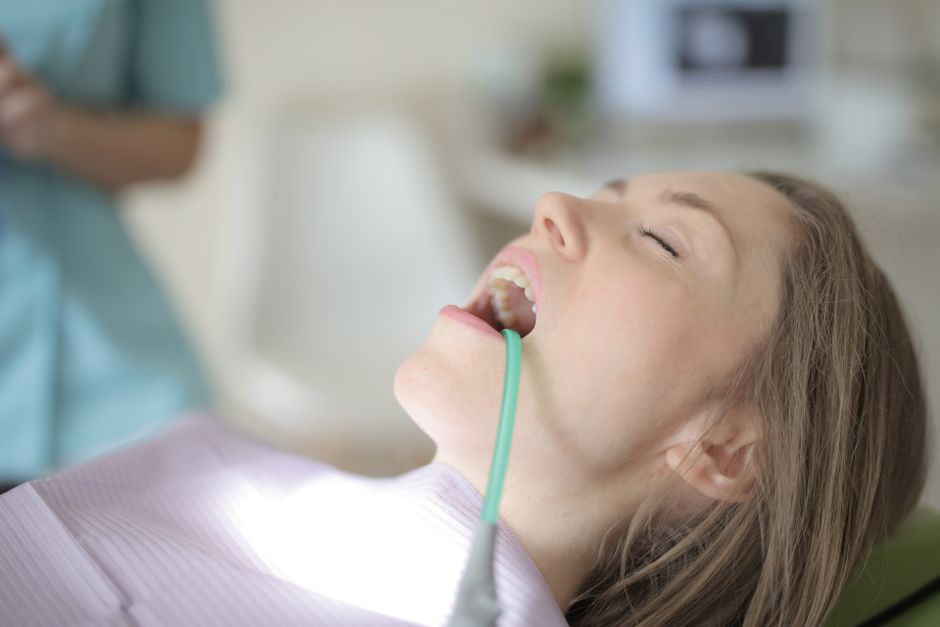
Yes, an endoscopy can be done without sedation. Many upper endoscopies are performed with only a numbing spray at the back of the throat, and some people choose to have no sedation at all. Whether that is a good idea for you depends on the procedure, your health, and how you handle gagging and anxiety.
This article explains what an unsedated endoscopy feels like, how it differs from sedated versions, who tends to do well without sedation, and what the real trade-offs are. It covers upper endoscopy specifically, since that is the procedure most people mean when they ask this question. It is information, not medical advice, and the right choice is one you make with your care team.
Can An Endoscopy Be Done Without Sedation?
Yes. An upper endoscopy — a procedure where a thin, flexible tube with a camera is passed through the mouth to look at the esophagus, stomach, and first part of the small intestine — can be performed with no sedation. This is routine in many parts of the world and is increasingly offered as an option in the United States.
There are three common approaches:
- No sedation at all. The scope is passed with the patient awake and cooperative. Sometimes a numbing agent is used on the throat, sometimes not.
- Throat numbing only. A local anesthetic spray or gargle reduces the gag reflex in the back of the throat. The person stays fully awake and alert.
- Conscious sedation or monitored anesthesia care. Medications such as midazolam (a sedative) and fentanyl or propofol (for comfort and sedation) are given through an IV. This is the most common approach in the US.
The procedure itself is the same regardless. The camera, the air used to inflate the stomach, and the tissue sampling (biopsy) if needed do not change. What changes is the patient’s level of consciousness and comfort.
What Does an Unsedated Endoscopy Feel Like?
Most people describe pressure and a strong urge to gag when the scope passes the back of the throat. That part lasts a short time. Once the scope is in the esophagus, many people find the sensation settles into something more like pressure or fullness in the upper abdomen.
The stomach is inflated with air during the procedure so the doctor can see the lining clearly. That air causes a bloated, full feeling and sometimes belching. It resolves when the air is suctioned out or passes naturally afterward.
The gag reflex is the main challenge. It is a protective reflex triggered when something touches the back of the throat. A numbing spray reduces it but does not eliminate it. Some people tolerate the reflex well; others find it very hard to manage. This is highly individual and hard to predict in advance.
Some people also have a strong vasovagal response — a sudden drop in heart rate and blood pressure that can cause lightheadedness or nausea. This is one reason the procedure is done with monitoring even when sedation is not used.
What Are the Advantages of Skipping Sedation?
The most concrete advantages are practical and medical, not just preference.
- No recovery time from sedation. People who have no sedation can often drive themselves home and return to normal activities sooner. Sedated patients typically need someone to drive them and are advised not to drive or operate machinery for a period afterward.
- Avoids sedation risks. Sedation carries small but real risks, including breathing depression, blood pressure changes, and reactions to medications. These risks are higher in older adults and people with certain heart or lung conditions.
- Shorter total visit. Without sedation and recovery, the appointment is often quicker from arrival to departure.
- Faster return to eating and drinking. Sedated patients usually wait until sedation wears off before eating. Unsedated patients generally can eat sooner, though your care team will give specific instructions.
One point that often gets overlooked: sedation does not make the procedure safer or more accurate. The quality of the exam depends on the endoscopist’s skill and the preparation, not on whether the patient is sedated. Some studies suggest unsedated endoscopy can be completed successfully in a high proportion of patients, though tolerance varies widely.




What Are the Downsides of Endoscopy Without Sedation?
Comfort is the main one. The gag reflex, the sensation of the scope, and the air inflation can be unpleasant. Some people find it tolerable; others find it distressing enough that the procedure takes longer or has to be stopped.
Movement is another factor. An awake, uncomfortable patient may move or retch, which can make it harder for the doctor to get clear views or take biopsies. In some cases, the procedure may need to be repeated or converted to a sedated exam.
Anxiety plays a large role. People who are very anxious about the procedure often do better with sedation. That is not a failure — it is a reasonable clinical choice. The goal is a safe, complete exam, not toughness.
There is also a small chance that an unsedated attempt does not succeed and sedation is needed anyway. That possibility is worth discussing with your doctor beforehand.
Who Is a Good Candidate for Unsedated Endoscopy?
There is no single rule, but certain factors tend to predict better tolerance.
- People who have had an unsedated endoscopy before and tolerated it well.
- People with a less sensitive gag reflex.
- People who prefer to avoid sedation for personal or practical reasons, such as driving or work obligations.
- People with health conditions that make sedation riskier, where the benefits of avoiding it may outweigh the discomfort.
People who tend to do less well include those with severe anxiety, a very strong gag reflex, certain anatomical features, or a history of poor tolerance of similar procedures. Children and people who cannot cooperate with instructions generally are not candidates for unsedated upper endoscopy; sedation or anesthesia is standard for these groups.
This is a decision to make with the doctor performing the procedure, who can assess your specific situation.
How Does Unsedated Endoscopy Compare With Sedated Endoscopy?
| Factor | No sedation | Sedation |
|---|---|---|
| Consciousness | Fully awake and alert | Relaxed, drowsy, or asleep depending on level |
| Comfort during procedure | Variable; gag reflex and pressure are felt | Usually much more comfortable |
| Recovery | Minimal; often can drive and work sooner | Requires monitoring; someone else must drive |
| Risks | Avoids sedation-related risks | Small added risks from sedative medications |
| Procedure time | Can be similar or slightly longer if tolerance is poor | Typically efficient once sedation takes effect |
| Need for a driver | Often not required | Required |
Neither option is universally better. The right choice depends on your comfort, your health, your schedule, and your doctor’s assessment.
What Should You Ask Before Choosing?
Ask what level of sedation is being planned and why. Ask whether throat numbing alone is an option at that facility. Ask what happens if you cannot tolerate the procedure without sedation — will it be stopped, converted, or rescheduled?
Ask about your personal risk factors for sedation, especially if you are older or have heart, lung, or breathing conditions. Ask whether you need a driver and how long you should avoid driving or work afterward.
It also helps to be honest about your anxiety and your gag reflex. Some people know from past experience that they tolerate throat procedures poorly. That information is useful to your doctor.
Finally, ask about preparation. Whether sedated or not, the stomach usually needs to be empty, and your care team will give specific fasting instructions. Follow them exactly — they matter for safety and for clear views.
Frequently Asked Questions
Can an endoscopy be done without sedation?
Yes, upper endoscopy can be performed with no sedation or with only a throat-numbing spray. Many people tolerate it, though comfort varies widely from person to person.
Is endoscopy without sedation painful?
Most people describe pressure and a strong gag reflex rather than sharp pain. The sensation is unpleasant for some and manageable for others, and tolerance is hard to predict in advance.
Can I drive home after an endoscopy without sedation?
Often yes, because no sedative medications are given. Your care team will confirm based on the specific procedure and your condition, so ask before the appointment.
What happens if I can’t tolerate the endoscopy without sedation?
The procedure may be paused, converted to a sedated exam, or rescheduled. Discuss this possibility with your doctor beforehand so you know the plan.
