
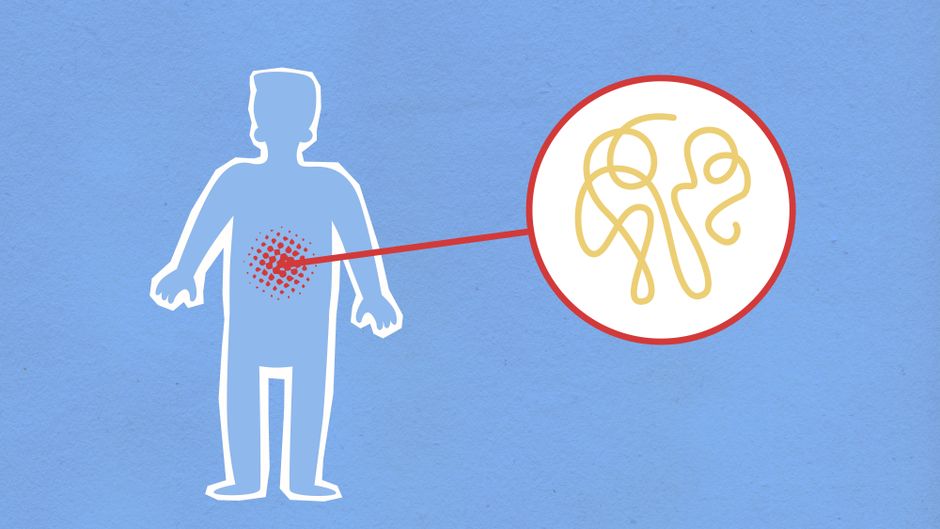
Yes, allergies can upset your stomach. When your immune system reacts to a food or airborne allergen, it releases chemicals like histamine that can affect your digestive tract, not just your nose and skin. The result can be nausea, cramping, bloating, diarrhea, or vomiting.
Most people think of allergies as sneezing fits and itchy eyes. But the gut is often part of the picture, and sometimes it is the main event. Understanding how this works helps you tell a true allergic reaction apart from other digestive problems that look similar but need different answers.
How Do Allergies Cause Stomach Problems?
An allergic reaction starts when your immune system mistakes a harmless substance for a threat. It releases histamine and other chemicals to fight off what it sees as an invader. Those same chemicals act on your digestive tract.
Histamine can make the smooth muscle in your gut contract more forcefully. That can cause cramping and push food through faster than normal, which leads to diarrhea. Histamine also increases fluid and mucus release in the intestines, adding to the discomfort.
This is why a food allergy can produce gut symptoms within minutes to a couple of hours after eating. The reaction is immune-driven, not just irritation. That distinction matters because it separates a real allergy from a sensitivity or intolerance that works through a different mechanism entirely.
Can Allergies Upset Your Stomach Even Without a Food Trigger?
Yes. Airborne allergens like pollen can also affect your gut, though this is less common and often milder. When you swallow pollen-laden mucus from postnasal drip, your digestive tract gets exposed to the same allergen your nose is reacting to.
This is part of what some researchers call the pollen-food allergy syndrome, also known as oral allergy syndrome. If you are allergic to certain pollens, eating raw fruits or vegetables that contain similar proteins can trigger itching or swelling in your mouth and throat. Some people also report mild stomach upset.
Cooking the fruit or vegetable usually changes the protein enough that it no longer triggers a reaction. That is why a raw apple might bother someone with a birch pollen allergy while applesauce does not.
Food Allergy vs. Food Intolerance: What’s the Difference?
These two get confused constantly, but they involve different parts of your body’s defense system. A food allergy engages the immune system. A food intolerance does not.
An intolerance, like lactose intolerance, happens when your body lacks an enzyme needed to break down a food. The undigested food then ferments in your gut, causing gas, bloating, and diarrhea. No immune reaction is involved, and it is not life-threatening.
A food allergy can be far more serious. Even a small amount of the allergen can trigger a reaction, and symptoms can escalate quickly. The table below shows the key differences.
| Feature | Food Allergy | Food Intolerance |
|---|---|---|
| Body system involved | Immune system | Digestive system |
| Amount needed to trigger | Often very small | Usually depends on portion size |
| Typical symptoms | Hives, swelling, vomiting, trouble breathing | Gas, bloating, cramping, diarrhea |
| Onset speed | Minutes to about 2 hours | Varies, often hours |
| Can be life-threatening | Yes, in severe cases | No |
If your symptoms include swelling of the lips or throat, hives, or difficulty breathing, that points toward an allergy and needs urgent medical attention. Stomach upset alone is rarely the only sign of a serious food allergy, but it can be one part of a larger reaction.




What Stomach Symptoms Do Allergies Actually Cause?
The most common digestive symptoms tied to allergic reactions include nausea, vomiting, abdominal pain, and diarrhea. In children, repeated vomiting shortly after eating a specific food is a classic sign of a food allergy.
There is also a condition called eosinophilic esophagitis, where immune cells build up in the esophagus. It can cause trouble swallowing, food getting stuck, and reflux that does not respond well to standard acid blockers. It is often linked to food and airborne allergies. This condition requires a doctor’s diagnosis, usually through an endoscopy and biopsy.
Another related condition is allergic proctocolitis, which mostly affects infants. It causes blood-streaked stools and is often linked to proteins in cow’s milk or soy passed through breast milk or formula. It typically resolves with dietary changes under medical guidance.
One clarification worth making: a stomachache by itself is rarely enough to confirm an allergy. Gut symptoms overlap with dozens of other conditions, from infections to irritable bowel syndrome. The pattern and timing matter.
When Should You See a Doctor?
Seek emergency care immediately if you have trouble breathing, throat swelling, a rapid heartbeat, or a sudden drop in blood pressure along with stomach symptoms. These are signs of anaphylaxis, a severe allergic reaction that can be fatal without treatment.
See a doctor soon if you notice:
- Stomach symptoms that come on within two hours of eating a specific food, repeatedly
- Vomiting or diarrhea along with hives or swelling
- Blood in your stool or vomit
- Difficulty swallowing or food feeling stuck
- Unexplained weight loss alongside digestive problems
For milder, recurring stomach issues without clear triggers, start with your primary care doctor. They can help sort out whether this looks like an allergy, an intolerance, or something else, and refer you to an allergist or gastroenterologist if needed.
Do not try to diagnose a food allergy on your own by cutting out foods one at a time. Elimination diets done without guidance can lead to nutritional gaps, especially in children. Testing and supervised food challenges are the reliable way to confirm a diagnosis.
How Are Allergy-Related Stomach Problems Treated?
Treatment depends on what is causing the reaction and how severe it is. For confirmed food allergies, the main approach is avoiding the trigger food. That sounds simple but requires careful label reading and asking questions when eating out.
For mild reactions, antihistamines may help with itching, hives, and some gut symptoms. They are not a treatment for anaphylaxis. Anyone prescribed an epinephrine auto-injector should carry it at all times and use it at the first sign of a severe reaction.
Some people with food allergies undergo oral immunotherapy under close medical supervision, where they consume tiny, gradually increasing amounts of the allergen. This can reduce sensitivity for some patients. It is not a cure, it carries real risks including severe reactions, and it should only be done with an experienced specialist.
For conditions like eosinophilic esophagitis, doctors may prescribe specific diets, acid suppression, or medications that target the immune response. These decisions are made case by case based on testing and symptoms.
Can You Prevent Allergy-Related Stomach Upset?
If you have a diagnosed food allergy, the most reliable prevention is strict avoidance of the trigger. That means reading ingredient labels every time, since manufacturers can change recipes, and being clear with restaurants about your needs.
For airborne allergies that seem to affect your gut through swallowed mucus, managing the nasal symptoms may reduce the downstream effects. Nasal steroid sprays and antihistamines are commonly used for this, though evidence that they specifically reduce gut symptoms is limited.
Current guidance from allergy organizations suggests introducing common allergenic foods like peanut and egg to infants early, generally around 4 to 6 months, in age-appropriate forms. Early introduction has been shown in some studies to reduce the risk of developing certain food allergies. Talk with your pediatrician before starting, especially if your baby has eczema or a family history of allergies.
There is no proven way to prevent allergies from developing in the first place. Claims that certain supplements or diets prevent food allergies are not supported by strong evidence.
Frequently Asked Questions
Can allergies cause diarrhea?
Yes, allergic reactions can cause diarrhea because histamine speeds up movement through the intestines and increases fluid release. This is more common with food allergies than with airborne ones.
How soon after eating does a food allergy upset your stomach?
Digestive symptoms from a food allergy usually appear within minutes to about two hours after eating the trigger food. Reactions that start many hours later are less likely to be a true allergy.
Can seasonal allergies make you feel sick to your stomach?
They can, though it is less common and typically mild. Swallowing pollen-containing mucus from postnasal drip can irritate the stomach and cause nausea in some people.
Is a stomachache a sign of a severe allergic reaction?
Stomach pain alone is usually not a sign of a severe reaction. But if it comes with trouble breathing, throat swelling, or a drop in blood pressure, treat it as an emergency and use epinephrine right away.
