
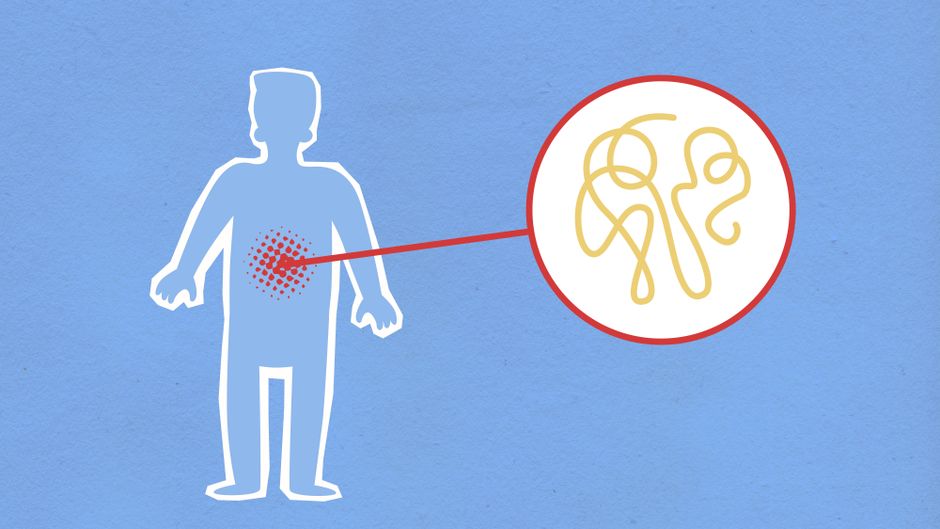
Yes, allergies can cause stomach problems. When your immune system reacts to a food allergen, it can trigger symptoms like nausea, cramping, vomiting, and diarrhea. This happens because the same immune response that causes hives or throat swelling can also affect your digestive tract.
But not every stomach issue after eating is an allergy. Some reactions involve the immune system differently. Others have nothing to do with immunity at all. Understanding which one you are dealing with changes everything about how you manage it.
How Can Allergies Cause Stomach Problems?
An allergic reaction starts when your immune system mistakenly identifies a harmless protein as a threat. It produces antibodies called immunoglobulin E, or IgE, that attach to immune cells throughout your body. Those cells sit in your skin, your airways, and your digestive tract.
When you eat the food you are allergic to, it binds to those IgE antibodies. The cells respond by releasing chemicals, including histamine. Histamine causes blood vessels to leak fluid, muscles to contract, and mucus to build up. In your gut, that means cramping, nausea, vomiting, and diarrhea.
This is why a food allergy can produce both skin symptoms and stomach symptoms at the same time. The reaction is systemic. It is not limited to one part of the body.
There is a detail many people miss. Symptoms usually appear within minutes to two hours after eating the allergen. If your stomach problems show up hours later or the next day, a classic IgE-mediated allergy is less likely to be the cause.
What Stomach Symptoms Do Food Allergies Actually Cause?
The digestive symptoms of a true food allergy are specific and usually come on quickly. They include:
- Nausea
- Vomiting
- Stomach cramping and pain
- Diarrhea
- Bloating and gas
These symptoms rarely appear alone. Most people with a food allergy also experience at least one of the following: hives, itching, swelling of the lips or tongue, difficulty breathing, or a drop in blood pressure.
That combination matters. Stomach symptoms by themselves, without any other allergic signs, are less likely to point to a true food allergy. They are more often related to other conditions.
Severe reactions can involve several body systems at once. This is called anaphylaxis, and it is a medical emergency. If someone has trouble breathing, throat tightness, or fainting along with stomach symptoms, they need emergency care immediately.
Is It a Food Allergy or Something Else?
Many conditions cause stomach problems after eating. Only some of them involve the immune system. Telling them apart matters because the treatment is different for each.
Food intolerance does not involve IgE antibodies. Lactose intolerance is a common example. Your body lacks enough of the enzyme needed to break down lactose, so undigested sugar ferments in your gut. This causes gas, bloating, and diarrhea. It is uncomfortable but not dangerous, and it is not an allergy.
Eosinophilic gastrointestinal disorders are a separate group of conditions. Here, a type of white blood cell called an eosinophil builds up in the digestive tract. This is a chronic immune condition, not a classic allergy, though it can be triggered by food in some people.
Celiac disease is an autoimmune condition triggered by gluten. It damages the lining of the small intestine over time. It is not an allergy, but it does involve the immune system and does cause digestive symptoms.
Irritable bowel syndrome and other functional gut disorders can cause similar symptoms without any immune involvement at all.
A key difference is timing and consistency. A true food allergy triggers symptoms every time you eat that food, usually within two hours. Intolerance symptoms can depend on how much you ate and may not happen every time.




Can Seasonal Allergies Cause Stomach Problems?
Seasonal allergies mainly affect the nose, eyes, and throat. But they can affect digestion indirectly. Postnasal drip, where mucus drips down the back of your throat, can cause nausea or an upset stomach. Swallowing that mucus may also lead to mild stomach irritation.
Some people with pollen allergies also react to certain raw fruits and vegetables. This is called oral allergy syndrome. It usually causes itching or tingling in the mouth and throat. In some cases, it can trigger mild stomach discomfort too.
There is a related pattern worth knowing. Some people with pollen allergies develop digestive symptoms after eating certain foods that share similar proteins with pollen. Birch pollen, for example, has proteins similar to those in apples, carrots, and some nuts. This cross-reactivity is real, but it is more likely to cause mouth itching than serious stomach problems.
If your stomach symptoms clearly track with pollen season and not with any specific food, seasonal allergies could play a role. But this is less common than food-triggered reactions.
How Are Allergy-Related Stomach Problems Diagnosed?
Diagnosis starts with a detailed history. Your doctor will ask what you ate, when symptoms started, how long they lasted, and whether other symptoms like hives or breathing trouble occurred.
From there, testing may include:
- Skin prick tests, where a tiny amount of allergen is placed under the skin
- Blood tests that measure specific IgE antibodies
- Elimination diets, where you remove suspected foods and reintroduce them under medical guidance
- Oral food challenges, done under supervision, which are considered the most reliable way to confirm a food allergy
No single test is perfect. Skin and blood tests can show sensitivity without proving a real allergy. That is why the oral food challenge, done carefully with medical supervision, remains the standard for confirmation.
If allergy testing is negative and stomach symptoms continue, your doctor may look at other causes. That could include testing for celiac disease, lactose intolerance, or an infection.
What Helps With Stomach Symptoms From Allergies?
The most effective approach is avoiding the food or trigger that causes the reaction. For a confirmed food allergy, strict avoidance is the standard recommendation. This requires reading ingredient labels carefully and asking about ingredients when eating out.
For mild reactions, antihistamines may reduce symptoms. They work by blocking histamine, the chemical that drives many allergy symptoms. But antihistamines are not a treatment for severe reactions. Anyone at risk of anaphylaxis should carry epinephrine and know how to use it. This is established emergency guidance, not a matter of preference.
For seasonal allergies that seem to affect digestion, treating the underlying allergy may ease related stomach symptoms. Nasal steroid sprays and antihistamines are commonly used for pollen allergies.
Some people find that keeping a food and symptom diary helps identify patterns. This can be useful information to bring to a doctor, but it is not a substitute for proper testing.
When Should You See a Doctor?
See a doctor if stomach symptoms happen repeatedly after eating, especially if they come with hives, swelling, or breathing changes. Those combinations suggest a true allergy and need proper evaluation.
Seek emergency care right away if you have trouble breathing, throat tightness, swelling of the tongue or lips, a rapid drop in blood pressure, or fainting after eating. These are signs of anaphylaxis.
Also see a doctor if you have ongoing digestive symptoms without a clear cause. Persistent stomach problems can have many origins, and some, like celiac disease or inflammatory conditions, need specific treatment.
Do not assume every stomach problem after eating is an allergy. And do not assume it is harmless. Getting the right diagnosis is what allows the right treatment.
Frequently Asked Questions
Can allergies cause stomach pain and diarrhea?
Yes. A true food allergy can cause cramping, nausea, vomiting, and diarrhea because the immune response affects the digestive tract. These symptoms usually appear within minutes to two hours of eating the allergen.
How do I know if my stomach problems are from an allergy or intolerance?
Food allergies involve the immune system and typically cause symptoms quickly and consistently, often with hives or breathing changes. Intolerance does not involve IgE antibodies and symptoms may depend on how much you ate.
Can seasonal allergies cause nausea?
They can, though it is usually indirect. Postnasal drip from seasonal allergies can cause nausea or an upset stomach when mucus drains down the throat and is swallowed.
When should I see a doctor for stomach problems after eating?
See a doctor if symptoms happen repeatedly after eating or come with hives, swelling, or breathing changes. Seek emergency care immediately for throat tightness, trouble breathing, or fainting.
