
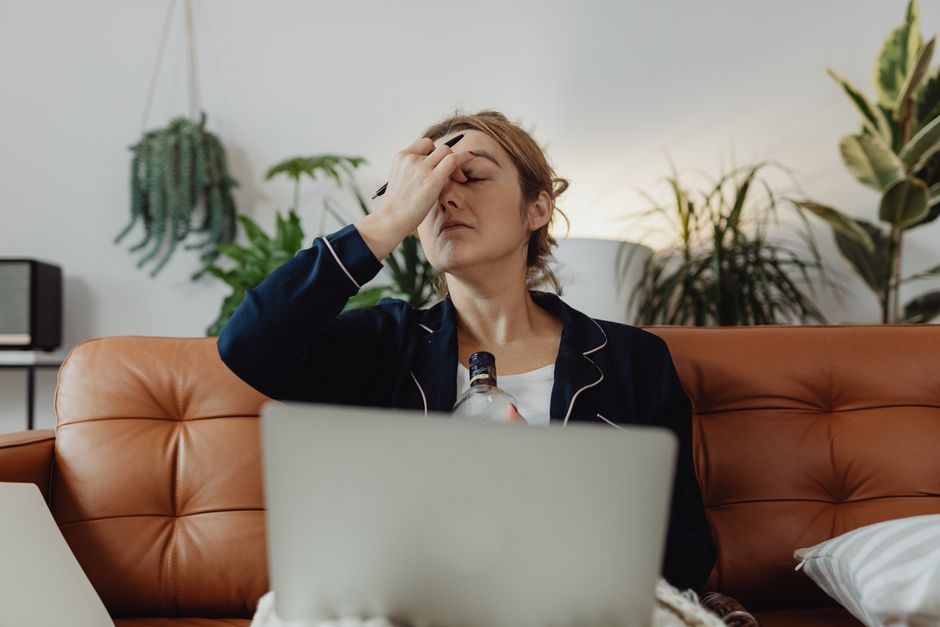
If you take antidepressants or other medications that affect serotonin, you may have heard warnings about serotonin syndrome. And you might wonder if having a drink could trigger it. The direct answer is no. Alcohol alone does not cause serotonin syndrome. But the real risk comes from how alcohol interacts with medications that already raise your serotonin levels. That combination is where the danger lies, and it is more common than most people realize.
What Is Serotonin Syndrome and How Does It Happen?
Serotonin syndrome is a potentially life-threatening condition caused by too much serotonin in the brain. It is not a disease you catch. It is a drug-induced reaction. Your body has a natural balance of serotonin, and certain medications can push that level too high.
The most common cause is taking two or more medications that raise serotonin at the same time. This is called a serotonergic drug interaction. The National Institutes of Health reports that most cases involve combining a selective serotonin reuptake inhibitor (SSRI) with another drug that also increases serotonin.
Symptoms range from mild to severe. Mild symptoms include shivering, diarrhea, and mild confusion. Severe symptoms include high fever, seizures, and loss of consciousness. Without treatment, severe serotonin syndrome can be fatal.
Alcohol itself does not raise serotonin levels in a way that causes this condition. But it can interfere with how your body processes the medications that do.
Can Alcohol Cause Serotonin Syndrome Directly?
No. There is no clinical evidence that alcohol alone can cause serotonin syndrome. Research published in medical journals like Clinical Toxicology has not found a single case where alcohol was the sole cause. The condition requires a buildup of serotonin from medications or illegal drugs.
Alcohol is a central nervous system depressant. It lowers brain activity rather than raising it. Serotonin syndrome involves overstimulation of certain serotonin receptors. These two mechanisms are opposite. Drinking alcohol by itself will not create the chemical conditions needed for serotonin syndrome.
But here is where it gets tricky. Alcohol can affect how your liver breaks down medications. If you take an SSRI or an MAOI (monoamine oxidase inhibitor), drinking may change how fast that drug is cleared from your system. This can lead to higher drug levels in your blood, which could indirectly increase your risk.
So while alcohol is not a direct cause, it can be a contributing factor in someone already on serotonergic medications.
Which Medications Make Alcohol Dangerous for Serotonin Syndrome?
The risk is real when you combine alcohol with specific classes of drugs. Here are the ones to watch:
- SSRIs like fluoxetine (Prozac), sertraline (Zoloft), and citalopram (Celexa)
- SNRIs like venlafaxine (Effexor) and duloxetine (Cymbalta)
- MAOIs like phenelzine (Nardil) and tranylcypromine (Parnate)
- Tricyclic antidepressants like amitriptyline and nortriptyline
- Lithium, which is used for bipolar disorder
- Illegal drugs like MDMA (ecstasy), cocaine, and LSD
Each of these raises serotonin in a different way. When you add alcohol to the mix, you are not just adding another drug. You are changing how your body handles the ones already in your system.
MAOIs are especially risky with alcohol. Some alcoholic beverages, particularly red wine and certain beers, contain tyramine. MAOIs prevent your body from breaking down tyramine, which can cause a dangerous spike in blood pressure. This is not serotonin syndrome, but it is another serious risk.


What Does Research on Alcohol and Serotonin Syndrome Show?
Research on this specific question is limited. Most studies focus on medication interactions rather than alcohol alone. But the evidence we have points to a clear pattern.
A 2014 review in the journal Drug Safety analyzed cases of serotonin syndrome reported to the FDA. The researchers found that in nearly every case, two or more serotonergic drugs were involved. Alcohol was rarely listed as a primary cause. When it was present, it was usually alongside other drugs.
Another study published in Psychiatry and Clinical Neurosciences looked at patients on SSRIs who drank alcohol. The researchers found that moderate drinking did not significantly increase serotonin levels in most patients. But heavy drinking did alter drug metabolism, leading to higher blood concentrations of the SSRI.
The CDC reports that alcohol is involved in about 20% of all emergency department visits related to antidepressant misuse. That does not mean serotonin syndrome caused every visit. But it shows that combining alcohol with these drugs is a real safety concern.
The bottom line from the research: alcohol alone is not a cause, but it is a known risk factor when medications are already in play.
How to Tell If You Are at Risk and What to Watch For
If you take any medication that affects serotonin, you are in a higher risk group. The risk increases if you take more than one such medication. It also increases if you drink heavily or regularly.
Symptoms of serotonin syndrome can appear within hours of taking a new drug or increasing a dose. They include:
- Agitation or restlessness
- Confusion
- Rapid heart rate and high blood pressure
- Dilated pupils
- Loss of muscle coordination or muscle twitching
- Heavy sweating
- Diarrhea
- Shivering
If you have these symptoms after drinking while on medication, seek medical help immediately. Do not wait to see if they go away. Serotonin syndrome can worsen quickly.
Mild cases often resolve by stopping the drug or reducing the dose. But severe cases require hospitalization. Treatment may include muscle relaxants, serotonin-blocking drugs, and supportive care like IV fluids and oxygen.
Some people report feeling more anxious or jittery after drinking while on an SSRI. This is not serotonin syndrome. It is likely alcohol withdrawal or the drug amplifying alcohol’s effects. But it is worth mentioning to your doctor.
Common Misconceptions About Alcohol and Serotonin Syndrome
There is a lot of bad information online. Let me clear up a few things.
Misconception: One drink can cause serotonin syndrome. This is false. Even in people on high doses of SSRIs, a single drink has not been shown to trigger serotonin syndrome. The risk comes from chronic heavy drinking or binge drinking, not a glass of wine with dinner.
Misconception: You cannot drink at all if you take antidepressants. This is not entirely true, but it depends on the medication. For most SSRIs, moderate drinking is not forbidden. But it is not recommended either. The safest approach is to ask your doctor. Some drugs like MAOIs have strict alcohol restrictions.
Misconception: Serotonin syndrome is rare so it is not a real concern. This is dangerous thinking. While the condition is not common, it is also underdiagnosed. Many mild cases are mistaken for other conditions like the flu or anxiety. The CDC estimates that thousands of cases occur each year in the United States alone.
Misconception: Natural supplements cannot cause it. Some supplements like St. John’s Wort, 5-HTP, and SAMe also raise serotonin. Combining these with alcohol and prescription drugs increases your risk. Just because something is natural does not mean it is safe in combination.
Can Alcohol Cause Serotonin Syndrome The Real Risk You Need to Know
The real risk is not the alcohol itself. It is the combination of alcohol with medications that already push your serotonin levels higher. Think of it this way: alcohol is not the fire, but it can throw gasoline on one that is already smoldering.
Here is a simple comparison to help you understand the different levels of risk:
| Scenario | Risk Level | Why |
|---|---|---|
| Alcohol alone, no medications | None | Alcohol does not raise serotonin enough to cause syndrome |
| Alcohol + one SSRI at low dose | Low | Minor interaction possible, but syndrome unlikely |
| Alcohol + two serotonergic drugs | Moderate | Higher chance of drug interaction and altered metabolism |
| Alcohol + MAOI | High | Risk of hypertensive crisis and serotonin buildup |
| Binge drinking + multiple serotonergic drugs | Very high | Significant chance of triggering serotonin syndrome |
If you are on any medication that affects serotonin, talk to your doctor before drinking. That is the single most important step you can take. Your doctor knows your specific drug combination and your personal health history.
Some people can have an occasional drink without issues. Others cannot. There is no universal answer. The evidence is clear that alcohol alone does not cause serotonin syndrome. But the evidence is equally clear that alcohol can make a risky situation worse.
If you choose to drink, do so in moderation. The National Institute on Alcohol Abuse and Alcoholism defines moderate drinking as one drink per day for women and two for men. Stay within that limit. And never drink on an empty stomach while taking these medications.
The most important thing is to know the symptoms. If you feel confused, agitated, or have muscle twitching after drinking, get help. Do not assume it is nothing. Serotonin syndrome is treatable, but only if caught early.
Frequently Asked Questions
Can a single drink cause serotonin syndrome?
No. One drink alone has not been shown to trigger serotonin syndrome even in people on antidepressants.
What should I do if I think I have serotonin syndrome?
Go to the emergency room immediately. Do not wait to see if symptoms improve on their own.
Is it safe to drink while taking SSRI antidepressants?
It depends on your specific medication and dose. Ask your doctor for personalized advice rather than assuming it is safe.
Can alcohol withdrawal cause serotonin syndrome?
No. Alcohol withdrawal does not cause serotonin syndrome, but it can cause other serious symptoms like seizures and delirium.
