
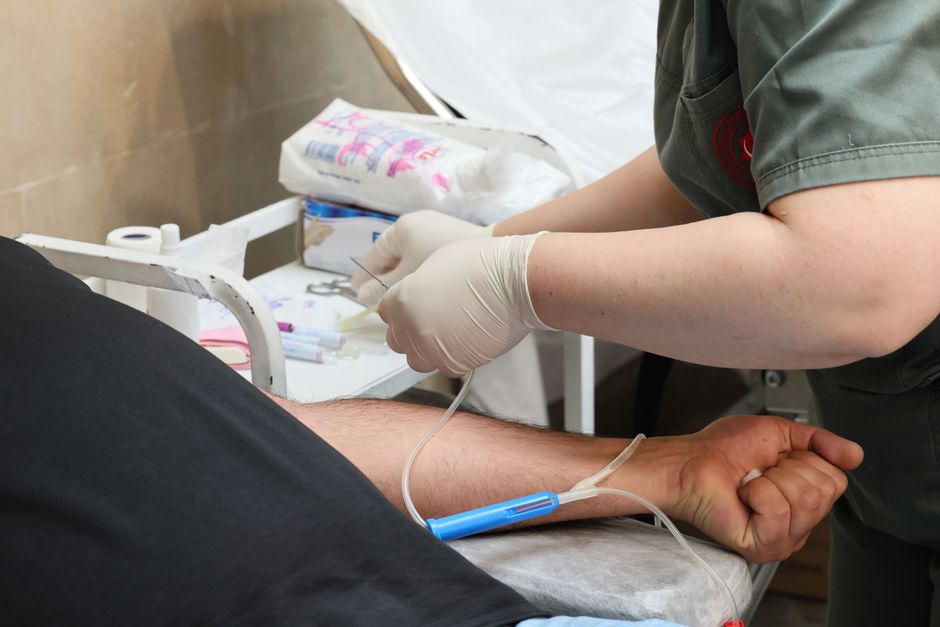
Hospitals can take your blood without your consent in specific, narrow situations, but for the vast majority of routine blood draws, they cannot. The law requires informed consent before any medical procedure, including drawing blood. However, exceptions exist for emergencies, certain court orders, and public health requirements. Understanding the difference between a routine lab test and an emergency procedure is key to knowing your rights.
What Does Informed Consent Mean for Blood Tests?
Informed consent is a legal and ethical requirement. It means you agree to a procedure based on a clear understanding of what it involves, why it is being done, and what the risks are. For a blood draw, you must be told why the blood is needed and what tests will be run.
Simply holding out your arm does not always count as informed consent. You need to understand what you are agreeing to. If a nurse draws blood for a routine panel and you were never told what the tests were for, that may fall short of proper informed consent. In practice, signing a general admission form at a hospital often covers routine blood work, but that form should explain the scope of what you are agreeing to.
You have the right to ask questions before any blood draw. You can ask what tests are being run and why. You can also refuse the draw in non-emergency situations. Refusing a blood test may have consequences, such as being asked to leave the hospital against medical advice, but the hospital cannot physically force you to comply in most cases.
When Can a Hospital Draw Blood Without Permission?
There are a few clear exceptions to the consent requirement. The most common is a medical emergency. If you are unconscious, severely injured, or otherwise unable to communicate, hospitals can draw blood without your consent. This falls under implied consent. The legal reasoning is that a reasonable person would want life-saving treatment in an emergency.
Another exception involves court orders. If a judge issues a warrant for a blood draw, the hospital must comply. This happens most often in criminal cases involving suspected driving under the influence or other offenses where blood alcohol content is relevant. A court order overrides your right to refuse.
Public health laws create a third exception. Certain communicable diseases require mandatory testing. This is rare and state-specific. For example, some states allow testing for HIV or hepatitis without consent in specific exposure scenarios, such as a healthcare worker being stuck by a needle. These laws vary widely by state.
What Happens If You Refuse a Blood Draw?
In a non-emergency setting, refusing a blood draw is your legal right. The hospital cannot strap you down or physically force you to give blood for routine testing. However, refusal is not without consequences.
If your doctor ordered the test to diagnose a condition, refusing it means the doctor may not be able to complete the evaluation. The hospital may ask you to sign a form stating you refused the test against medical advice. This is a documentation tool, not a punishment. It protects the hospital legally and ensures you understand you are declining a recommended procedure.
If you are being treated for a serious condition like a blood infection, refusing blood cultures could delay treatment. The physician may then recommend alternative treatments or transfer your care. You are not required to accept any medical treatment, but you are also not entitled to receive medical care on your own terms without consequences.


Can Police or Law Enforcement Force a Blood Draw?
This is a different situation from a hospital-initiated blood draw. Law enforcement can request a blood draw in criminal investigations, but they need legal authority. In most cases, that means a warrant or your consent. The Supreme Court has ruled that forced blood draws are a search under the Fourth Amendment. They require a warrant unless there are exigent circumstances.
In drunk driving cases, many states have implied consent laws. If you have a driver’s license, you have already agreed to submit to blood alcohol testing if lawfully arrested for suspicion of driving under the influence. Refusing can result in license suspension or other penalties. However, these laws apply to the legal consequences of refusal, not to physical force.
If police request a blood draw at a hospital, the hospital staff can assist. The legal authority comes from the warrant or the implied consent law, not from the hospital. If you refuse in a situation where no warrant exists, the hospital generally cannot force the draw.
What About Newborn Screening and Other Mandatory Tests?
Newborn screening is a special case. Every state requires newborns to be tested for certain genetic and metabolic disorders. These tests are done without parental consent in most states. The conditions tested include phenylketonuria, cystic fibrosis, and sickle cell disease. Early detection allows for early treatment, which can prevent severe disability or death.
Parents can refuse newborn screening in some states, but the process for refusal varies. Some states allow religious or philosophical exemptions. Others do not. If you have questions about newborn screening, ask your pediatrician or the hospital staff before the baby is born. The specific list of disorders tested varies by state.
Blood donation is entirely different. You must consent to donate blood, and you can withdraw your consent at any time before the donation is complete. Blood banks follow strict consent protocols. There is no situation where a blood bank can take your blood without your explicit permission.
What Are Your Rights During a Blood Draw?
Even when you consent to a blood draw, you have rights. You have the right to know what tests are being run. You have the right to ask about the risks, which are minimal for a standard venipuncture. You have the right to request a different phlebotomist if you are uncomfortable.
You also have the right to privacy. Your blood test results are protected under federal law through the Health Insurance Portability and Accountability Act, commonly known as HIPAA. This means your results cannot be shared without your permission except in specific legal situations.
If you believe your blood was drawn without proper consent, you have options. You can file a complaint with the hospital’s patient advocate or ombudsman. You can also file a complaint with your state’s medical board. In cases of non-consensual blood draws, you may have grounds for a legal claim, but you should consult an attorney to understand your specific situation.
Does Being Intoxicated or Confused Affect Consent?
Being intoxicated or confused does not automatically mean you cannot consent. The key question is whether you have the capacity to understand what is happening. A person who is heavily intoxicated may not have that capacity. In that case, the hospital may treat the situation as an emergency and draw blood without consent.
This is a gray area in medical law. A person who is confused but not in immediate danger may still be asked for consent. If the confusion is temporary, such as from medication, the hospital may wait until you are more lucid. If the confusion is permanent, such as from dementia, a legal guardian or healthcare proxy may need to provide consent.
In emergency situations where you are incapacitated, the hospital proceeds with treatment using implied consent. This includes blood draws needed for emergency care. Once you regain capacity, you should be informed of what was done and why. This is standard practice and is legally protected.
Frequently Asked Questions
Can a hospital draw my blood if I say no?
In a non-emergency situation, no. You have the right to refuse routine blood draws. In a true medical emergency where you cannot communicate, the hospital can draw blood under implied consent.
What happens if I refuse a blood test ordered by my doctor?
The doctor may be unable to complete your diagnosis or treatment plan. You may be asked to sign a form stating you refused the test against medical advice.
Can police force a blood draw at a hospital?
Police need a warrant or your consent to force a blood draw in most cases. Implied consent laws for drivers may apply in drunk driving investigations, with penalties for refusal.
Do parents have to consent to newborn blood screening?
Newborn screening is required in all states, but parental refusal is allowed in some states. The rules vary by state, so ask your hospital staff about local policies.
