
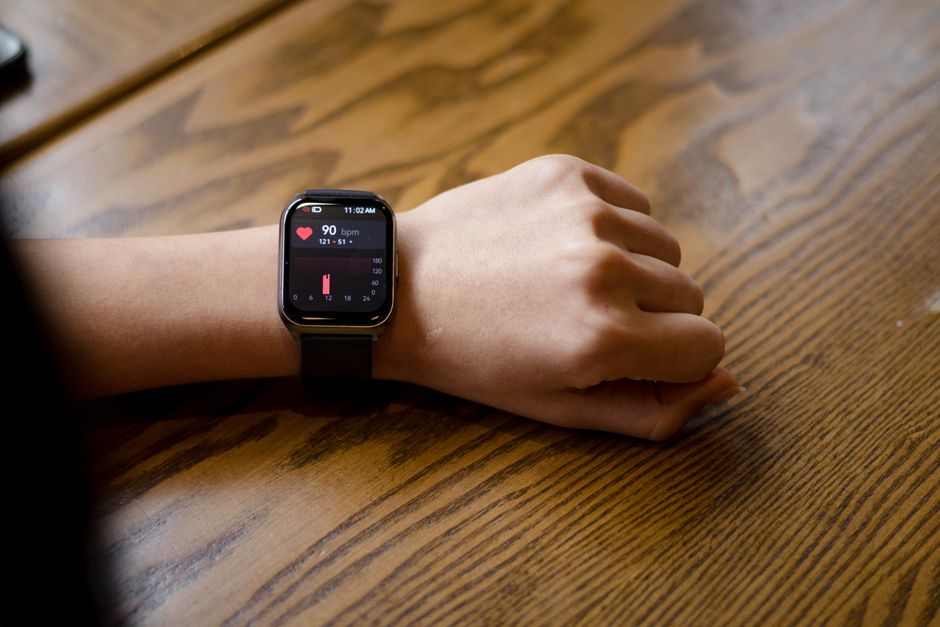
Anxiety can push your heart rate up fast, sometimes within seconds. The most effective way to slow it down is to breathe slowly and deeply, using a pattern where your exhale is longer than your inhale. This activates the parasympathetic nervous system — the part of your nervous system that calms your body after a stress response. Simple physical actions like splashing cold water on your face, relaxing your muscles one at a time, and refocusing your attention can also help bring your heart rate down within minutes.
What Happens to Your Heart Rate During Anxiety?
When your brain perceives a threat — real or imagined — it triggers the release of adrenaline and other stress hormones. These hormones tell your heart to beat faster and harder so your muscles get more oxygen. This is the fight-or-flight response, and it developed to help humans survive physical danger.
In anxiety, this system activates even when there is no physical threat. Your heart rate might jump from a resting range of 60 to 100 beats per minute to well above that. You may notice a pounding feeling in your chest, shortness of breath, or dizziness.
The key point: this response is a normal physiological reaction. Your heart is not damaged. It is responding to a chemical signal. Once that signal fades, your heart rate returns to normal on its own.
The problem is that anxiety can keep triggering that signal, creating a loop. You feel your heart race, which makes you more anxious, which keeps your heart racing. Breaking that loop is the goal of the steps below.
How Do You Slow Your Heart Rate from Anxiety with Breathing?
Slow breathing is the single most reliable way to lower your heart rate during anxiety. It works because of a direct connection between your lungs and your heart.
When you breathe in, your heart rate naturally speeds up slightly. When you breathe out, it slows down. This is called respiratory sinus arrhythmia, and it happens in everyone. By making your exhale longer and slower than your inhale, you shift the balance toward the calming branch of your nervous system.
Here is a simple method you can use anywhere:
- Breathe in through your nose for a count of four.
- Hold for a count of four.
- Breathe out slowly through your mouth for a count of six to eight.
- Repeat for at least two to three minutes.
The exact numbers matter less than the pattern. A longer exhale is what triggers the calming response. If counting makes you more anxious, just focus on making each exhale slow and steady.
One non-obvious detail: breathing too deeply can actually make you feel worse. Over-breathing blows off too much carbon dioxide, which can cause dizziness and tingling. Aim for slow and gentle, not big and forceful.
Does Cold Water Really Slow Your Heart Rate?
Yes. Cold water on your face triggers what is called the dive reflex. This is an automatic response that slows your heart rate and redirects blood flow to your brain and heart. It is one of the fastest physical ways to interrupt a racing heart.
To use this:
- Splash cold water on your face several times.
- Or hold a cold pack or a bag of frozen vegetables against your cheeks and eyes for about 30 seconds.
- You can also submerge your face in a bowl of cold water for 15 to 30 seconds.
This is not a breathing technique. It is a physical reflex. It works even if you are not calm yet. That makes it useful when you are too panicked to focus on breathing.
Cold water on the wrists or the back of the neck is sometimes suggested, but the face is where the reflex is strongest.
Can Muscle Relaxation Help Lower Heart Rate?
Muscle tension and anxiety feed each other. When you are anxious, your muscles tighten. That tension sends signals back to your brain that you are still in danger, which keeps your heart rate up.
Progressive muscle relaxation breaks that cycle. The method is simple: you tense a muscle group for about five seconds, then release it and notice the difference. You work through your body from head to toe or toe to head.
Research on relaxation techniques shows they can reduce anxiety symptoms and lower heart rate, though results vary between individuals. Some people respond strongly, others less so. It is worth trying because it costs nothing and has no side effects.
A shorter version you can do anywhere: clench your fists tightly for five seconds, then let go. Notice the release. Do the same with your shoulders, then your jaw. Three muscle groups is enough to take the edge off.
What Else Can Bring Your Heart Rate Down Quickly?
Several other approaches can help, especially when combined with breathing.
Grounding. Anxiety pulls your attention into worst-case thoughts. Grounding brings it back to the present. Name five things you can see, four you can hear, three you can touch, two you can smell, and one you can taste. This is not a distraction trick — it actually reduces the brain activity that feeds the stress response.
Movement. If your body is flooded with adrenaline, light movement can help burn it off. Walking, stretching, or shaking out your arms and legs can reduce the physical charge. Intense exercise during a panic attack usually makes things worse, so keep it gentle.
Hydration. Dehydration can raise heart rate. If you have been anxious for a while, you may not have been drinking enough water. A glass of water will not stop a panic attack, but it helps your body function normally.
Caffeine reduction. Caffeine is a stimulant that directly raises heart rate and can amplify anxiety symptoms. If you are prone to anxiety, cutting back — especially in the afternoon — can make a measurable difference over time.
When Should You See a Doctor About a Racing Heart?
A fast heart rate during anxiety is usually not dangerous. But anxiety is not the only cause of a racing heart, and it is important not to assume it always is.
See a doctor if:
- Your heart rate stays above 100 beats per minute at rest when you are not anxious.
- You faint, feel chest pain, or have trouble breathing that does not ease with slow breathing.
- Your heart rate feels irregular — skipping, fluttering, or pounding in an unusual pattern.
- You have risk factors for heart disease, such as high blood pressure, diabetes, or a family history.
- The episodes are getting more frequent or more intense.
These symptoms can have causes other than anxiety, including thyroid problems, heart rhythm disorders, and medication side effects. A doctor can check for these with a simple exam, blood tests, and sometimes a heart monitor.
It is also worth noting that some people with anxiety disorders benefit from professional treatment. Therapy approaches like cognitive behavioral therapy have strong evidence for reducing anxiety symptoms, and some medications can help. If anxiety is affecting your daily life, talking to a doctor or mental health professional is a reasonable step, not an overreaction.
Do These Techniques Work for Everyone?
No single technique works for everyone, and none of them stop anxiety permanently. What they do is give you tools to interrupt the physical spiral in the moment.
Some people find breathing exercises work within a minute. Others need to combine several methods. Some find that cold water is the only thing that works during a severe panic attack.
The evidence for breathing techniques, cold water exposure, and relaxation methods is generally supportive but not uniform. Studies show these approaches can reduce heart rate and anxiety in many people, but individual responses vary. No technique has been shown to cure an anxiety disorder on its own.
The longer-term solution for anxiety-related heart rate issues is usually addressing the anxiety itself. That may mean therapy, lifestyle changes, or medical treatment. The techniques above are for the moments when your heart is racing and you need it to stop.
Frequently Asked Questions
How long does it take to slow your heart rate from anxiety?
With slow breathing or cold water on the face, many people notice a difference within one to three minutes. If your heart rate stays elevated for more than 10 to 15 minutes despite trying these steps, it may be worth checking with a doctor.
Can anxiety make your heart rate dangerously high?
Anxiety can push your heart rate well above 100 beats per minute, but this is rarely dangerous in a healthy heart. However, if you have a known heart condition or the rate stays high at rest, seek medical advice.
Does holding your breath slow your heart rate?
Holding your breath briefly can slow your heart rate through the dive reflex, especially if your face is in cold water. Breath-holding alone without cold exposure has a weaker effect.
What is the fastest way to calm a racing heart from anxiety?
Cold water on your face is often the fastest physical method because it triggers the dive reflex. Slow breathing with a long exhale is the most reliable method you can use anywhere.
