
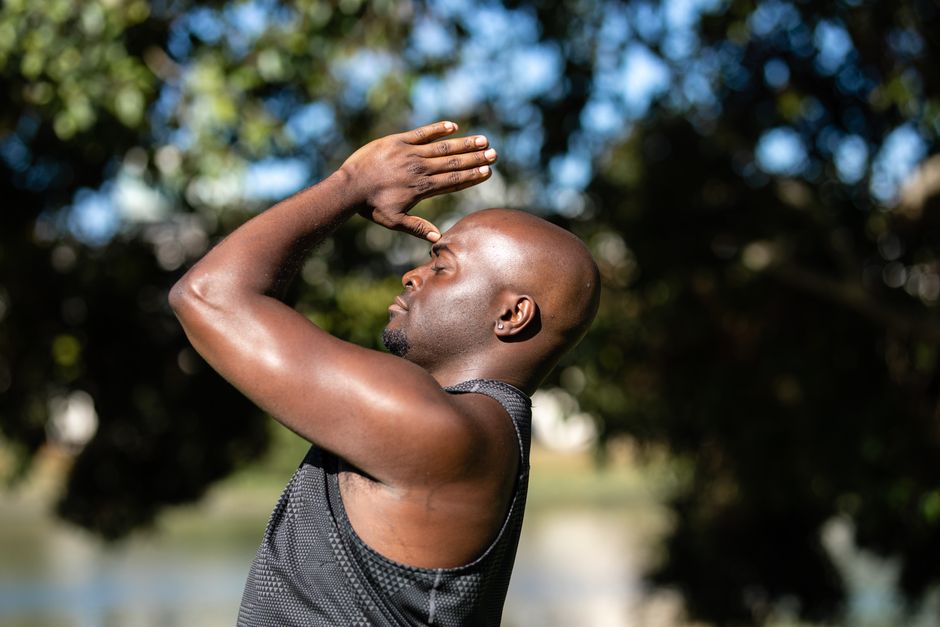
Baldness can feel permanent, but the science behind hair regrowth is more nuanced than a simple yes or no. The short answer is that a completely bald scalp usually cannot regrow hair on its own, but the reality depends on why the hair fell out in the first place. Some types of hair loss reverse naturally, while others respond to specific treatments that can stimulate new growth.
Why Hair Falls Out in the First Place
Hair loss happens for different reasons, and the cause determines whether regrowth is possible. Understanding the hair growth cycle helps explain this.
Every hair follicle goes through phases. The growth phase lasts several years. The resting phase lasts a few months. Then the hair falls out and the cycle starts again. Most people lose 50 to 100 hairs per day as part of this normal process.
Problems occur when something disrupts this cycle. The follicle may shrink, the growth phase may shorten, or the follicle may stop producing hair entirely. The specific disruption matters more than the baldness itself.
Can A Bald Head Regrow Hair The Science Explained
The most common cause of baldness is androgenetic alopecia, also known as male or female pattern baldness. This condition is genetic and hormone-related. A hormone called dihydrotestosterone, or DHT, binds to hair follicles and gradually shrinks them over time.
With pattern baldness, the follicle does not die immediately. It miniaturizes. Each new hair is thinner and shorter than the last until the follicle produces only a fine, barely visible hair. In advanced stages, the follicle may stop producing hair altogether.
This gradual process means early intervention matters. Treatments work best on follicles that are still active but shrinking. Once a follicle has been dormant for years, it is much harder to revive. Research consistently shows that starting treatment early preserves more hair than waiting until the scalp is completely smooth.
Complete baldness does not necessarily mean every follicle is dead. Some follicles may simply be resting. This is why some people see regrowth with treatment even after years of apparent baldness.
What Treatments Actually Work for Regrowth
Two medications have strong evidence behind them for treating pattern baldness. Both are approved by the FDA for this purpose.
Minoxidil is a topical solution applied directly to the scalp. It is available over the counter. The exact mechanism is not fully understood, but it appears to stimulate hair follicles and prolong the growth phase. Studies have found that regular use can slow hair loss and promote some regrowth, particularly on the crown of the head. Results typically take three to six months to appear.
Finasteride is an oral prescription medication. It blocks the enzyme that converts testosterone into DHT. By lowering DHT levels in the scalp, it helps prevent further follicle shrinkage. Some men experience modest regrowth, but the primary benefit is stopping further loss. It is not approved for use in women, particularly those who may become pregnant.
Both treatments require ongoing use. Stopping them usually leads to hair loss resuming within months. This is not a one-time fix.
Low-level laser therapy is another option that some dermatologists recommend. The evidence is less robust than for medications, but some studies show modest improvement when used consistently. The devices are expensive and require regular use.





Why Some Bald Spots Regrow on Their Own
Not all hair loss is permanent. Telogen effluvium is a temporary condition where stress, illness, childbirth, or significant weight loss pushes many hair follicles into the resting phase at once. This causes diffuse shedding a few months after the trigger.
This type of hair loss typically resolves on its own. Once the underlying trigger is addressed, the hair cycle returns to normal and regrowth occurs within six to twelve months. No treatment is usually necessary.
Alopecia areata is different. This autoimmune condition causes the immune system to attack hair follicles. It often presents as round, smooth patches of baldness. In some cases, hair regrows spontaneously without treatment. In others, the condition persists or progresses.
Treatment for alopecia areata exists, but results vary. Corticosteroid injections are commonly used for small patches. Newer medications called JAK inhibitors have shown promise in clinical trials, but they are not yet widely approved for this specific use.
What Surgery Can and Cannot Do
Hair transplantation is the only method that produces permanent regrowth on a fully bald scalp. The procedure moves hair follicles from areas of the scalp that are resistant to DHT, typically the back and sides, to bald areas.
This works because the transplanted follicles retain their original characteristics. Hair taken from the back of the head does not respond to DHT the same way hair on the crown does. The transplanted hair continues to grow normally in its new location.
Transplantation does not create new hair. It redistributes existing hair. People with extensive baldness may not have enough donor hair to achieve full coverage. The procedure is also expensive and requires multiple sessions for significant results.
Surgery is most effective when combined with medication. The medication preserves existing hair while the transplant fills in bald areas.
What Does Not Work
The internet is full of supposed hair regrowth miracles. Most have no scientific support.
Scalp massages, essential oils, and vitamin supplements are frequently promoted as hair loss cures. Some research suggests that certain supplements may help if you have a specific deficiency, such as iron or vitamin D. But for a person with normal nutrient levels, supplements have not been shown to regrow hair.
Rosemary oil has some preliminary evidence suggesting it may be comparable to minoxidil in one small study. This is promising but not conclusive. More research is needed before this can be recommended as a reliable treatment.
Products that claim to “reactivate dormant follicles” or “awaken hair stem cells” are generally marketing language. No topical product has been proven to regenerate follicles that have completely stopped functioning.
Be cautious with any product that promises rapid results. Hair growth takes time. A product that claims visible regrowth in weeks is almost certainly exaggerating.
When to See a Doctor
A dermatologist can determine the cause of your hair loss and recommend appropriate treatment. This is especially important if hair loss is sudden, patchy, or accompanied by scalp redness, scaling, or pain.
Sudden shedding may indicate a medical issue that requires evaluation. Thyroid disorders, iron deficiency, and other conditions can cause hair loss. Treating the underlying condition often resolves the hair problem.
A doctor can also perform a scalp biopsy if the diagnosis is unclear. This involves removing a small sample of scalp tissue for examination under a microscope. It is a simple procedure that provides definitive answers in most cases.
Early evaluation matters. The longer a follicle remains inactive, the harder it is to restore. Seeing a professional at the first sign of unusual shedding gives you the best chance of preserving your hair.
Frequently Asked Questions
Can a completely bald head regrow hair naturally?
A completely bald scalp rarely regrows hair without treatment. Some dormant follicles may reactivate, but this is not reliable enough to count on.
How long does it take for hair to regrow with treatment?
Most treatments take three to six months to show visible results. Full improvement may take up to a year of consistent use.
Does minoxidil work on a bald head?
Minoxidil works best on thinning hair, not completely bald areas. Some regrowth is possible on recently bald spots, but long-dormant follicles may not respond.
Is hair transplant the only permanent solution?
Yes, hair transplantation is the only permanent solution for fully bald areas. The transplanted hair continues to grow because it comes from DHT-resistant follicles.
