
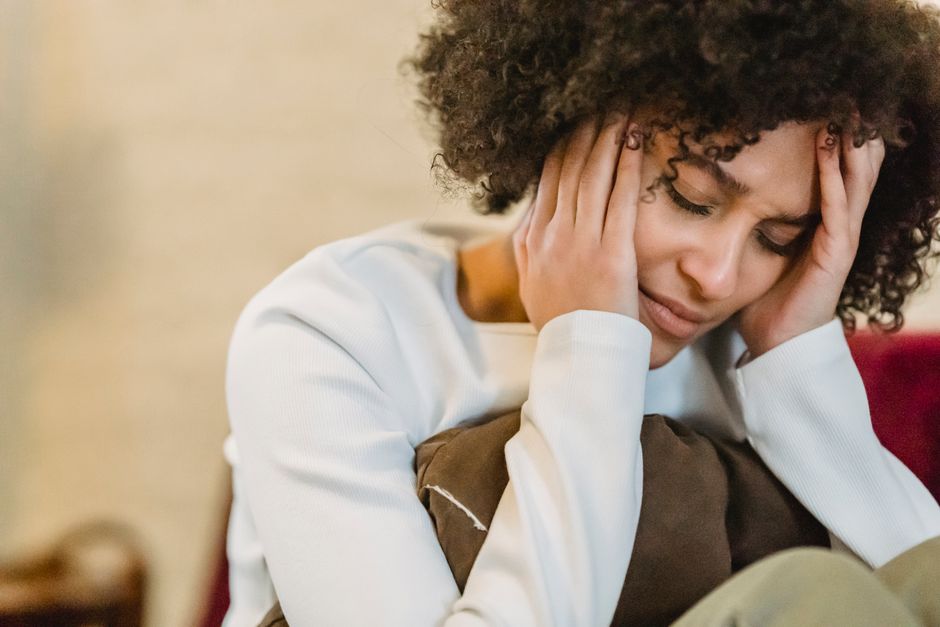
Yes, a 3 year old can have anxiety. It looks different than adult anxiety, but it is real. Young children feel fear and worry just like older kids and adults do. The key is knowing the signs and understanding what helps. Most childhood anxiety is temporary and manageable with the right support. If you feel something is off with your child, trust that instinct and learn what to look for.
What Does Anxiety Look Like in a 3 Year Old?
Anxiety in a toddler does not look like a panic attack. It shows up in behavior. A 3 year old who is anxious may cry more than other kids their age. They may cling to you and refuse to be left with a babysitter or at daycare. Some children have trouble sleeping alone or wake up many times during the night.
Physical symptoms are common too. Your child might complain of stomachaches or headaches with no medical cause. They may tremble or shake in new situations. Some children become very quiet and freeze up instead of playing. Others act out, hitting or throwing things when they feel overwhelmed.
Separation anxiety is normal at this age. But when a child cannot calm down after you leave, or the fear lasts for weeks, it may be more than typical development. The difference is the intensity and how long it lasts. A child who cannot enjoy a playdate because they are too worried about where you are may have anxiety that needs attention.
What Causes Anxiety in a 3 Year Old?
Anxiety in young children often has multiple causes. Genetics play a role. If you or your partner have anxiety, your child is more likely to have it too. Temperament matters. Some children are naturally more cautious and sensitive from birth. This is not bad, but it means they need extra support with new experiences.
Life events can trigger anxiety. A move to a new house, a new sibling, or starting preschool are common triggers. Even positive changes can feel overwhelming to a small child. Trauma is another cause. A scary medical procedure, a car accident, or witnessing conflict at home can create lasting fear.
Current research suggests that brain development also matters. The part of the brain that handles fear, the amygdala, develops early. But the part that helps calm fear, the prefrontal cortex, develops slowly over childhood. So a 3 year old feels fear strongly but has very few tools to manage it. This is not a flaw. It is how the brain grows.
Can A 3 Year Old Have Anxiety Signs And What To Do First?
The first step is to name what you see. Say “I see you are feeling scared” or “You look worried.” This helps your child feel understood. It also teaches them words for their feelings. Do not dismiss their fear. Telling a child “there is nothing to be afraid of” does not help. Their brain feels danger, even if you know it is safe.
Validate the feeling, not the fear. You can say “I know you feel scared. I am right here. You are safe.” This is different from saying “the dog is scary.” You are acknowledging their emotion while keeping yourself as the safe base.
Routine is powerful for anxious toddlers. Predictable days reduce uncertainty. When a child knows what comes next, their brain does not have to work as hard to scan for threats. Keep mealtimes, bedtimes, and drop-offs as consistent as possible. Give warnings before transitions. Say “five more minutes, then we leave” so their brain can prepare.





What Should You Not Do When Your 3 Year Old Has Anxiety?
Avoid punishing the anxiety. If your child cries at drop-off, do not scold them for crying. This teaches them that feelings are wrong. They learn to hide their fear, not to manage it. The fear gets bigger inside because it has nowhere to go.
Do not avoid everything that scares them. This is a natural instinct. You want to protect your child from distress. But avoidance makes anxiety grow. If you keep your child home from preschool because they cry, the fear of preschool gets stronger. They learn that preschool is dangerous because you kept them away.
The middle path is called “gentle exposure.” You stay with your child in the scary situation but keep it short. You leave them at preschool for 30 minutes instead of the full day. You sit with them at the birthday party until they feel okay. Each small success builds confidence. Each time they survive the fear, their brain learns the situation is safe.
When Should You Get Professional Help for a 3 Year Old with Anxiety?
Some anxiety is normal. But there are signs that professional help is needed. If your child’s anxiety stops them from doing things other kids their age do, that is a red flag. If they cannot go to preschool, cannot play with friends, or cannot sleep in their own bed for weeks, get help.
Physical symptoms that do not go away matter. If your child has stomachaches or headaches most days with no medical cause, anxiety may be the reason. Extreme reactions are also a sign. If your child screams for more than 30 minutes when you leave, or hurts themselves or others when upset, a professional evaluation is wise.
Talk to your pediatrician first. They can check for medical causes and refer you to a child therapist. Play therapy is effective for young children. Therapists use play to help children express fears and learn coping skills. As of 2026, research supports parent-child interaction therapy as one of the most effective approaches for early childhood anxiety.
What Are Practical Strategies You Can Use at Home?
Deep breathing works for toddlers, but you have to make it fun. Blow bubbles together. Have them pretend to smell a flower and blow out a candle. This slows their heart rate and gives their brain a break. Practice when they are calm, not just during meltdowns.
Books help children understand their feelings. Read stories about characters who feel scared and learn to cope. This gives your child a model for managing fear. It also opens conversations. You can ask “what does the bunny do when she feels scared?”
Praise brave behavior specifically. Do not just say “good job.” Say “I saw you were scared to go down the slide, and you did it anyway. That was brave.” This teaches your child that courage is not the absence of fear. It is feeling the fear and doing the thing anyway.
| Situation | What Avoidance Looks Like | What Gentle Exposure Looks Like |
|---|---|---|
| Preschool drop-off | Keeping child home every day | Staying for 15 minutes, then leaving for 1 hour |
| Fear of dogs | Crossing the street to avoid all dogs | Watching a calm dog from a distance, then slowly approaching |
| Separation at bedtime | Sleeping in child’s bed every night | Sitting in the room until child falls asleep, moving chair to door each night |
| Birthday parties | Skipping all parties | Going for 20 minutes, then leaving before meltdown |
Common Misconceptions About Toddler Anxiety
Some people believe that young children cannot have anxiety. They think kids are too young to worry. This is not true. Research shows that anxiety disorders can start as early as age 2. The signs just look different than they do in adults.
Another myth is that giving attention to anxiety makes it worse. Some parents worry that comforting a scared child will reinforce the fear. But comforting a child who is genuinely scared builds trust. It teaches them that you are a safe person to come to. The problem is not comfort. The problem is avoidance. Comforting and then staying in the scary situation is different from comforting and then leaving.
Some believe that anxious children just need to toughen up. This approach backfires. Telling a child to “stop being a baby” or forcing them into scary situations without support makes anxiety worse. The child learns that the world is dangerous and that they are alone in it. Gentle support, not toughness, builds real resilience.
Frequently Asked Questions
Can a 3 year old have anxiety or is it just a phase?
Yes, a 3 year old can have anxiety that goes beyond normal development. A phase lasts a few weeks and gets better with simple reassurance. Anxiety that lasts longer and interferes with daily life may need more support.
What are the most common signs of anxiety in a 3 year old?
Common signs include excessive crying, clinging to parents, trouble sleeping, frequent stomachaches, and extreme fear of new people or places. Some children become very quiet while others act out aggressively.
How do I know if my 3 year old needs therapy for anxiety?
If anxiety stops your child from doing things like going to preschool, playing with friends, or sleeping in their own bed for weeks, seek help. Physical symptoms without medical cause are also a sign to get a professional evaluation.
Can anxiety in a 3 year old go away on its own?
Mild anxiety often improves with supportive parenting and time. But if anxiety is moderate to severe, it usually does not go away without help. Early support gives children better tools for managing fear as they grow.
