
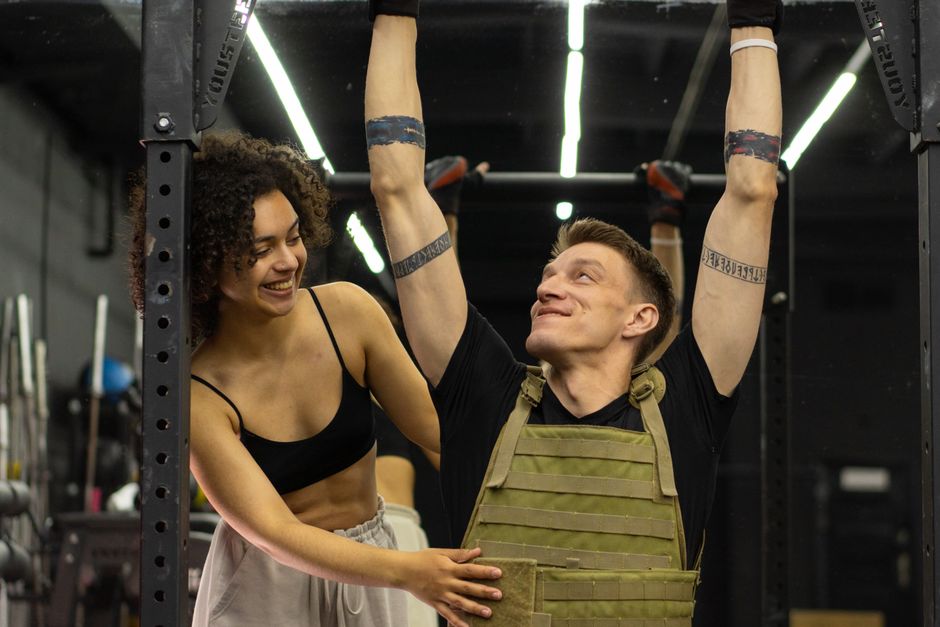
Weighted vests have become a popular fitness tool, but are they worth the investment? For most people looking to improve bone density, burn more calories, or build strength, the answer is yes — if used correctly. However, they are not a magic solution. Research shows they can be effective for specific goals, but they also come with risks if not chosen or used properly. This article reviews the evidence so you can decide if a weighted vest makes sense for you.
What Are the Real Benefits of a Weighted Vest?
Weighted vests add extra load to your body during everyday movements or exercise. This forces your muscles and bones to work harder. The main benefits are backed by research.
One of the strongest findings is for bone health. A 2022 study published in the Journal of Bone and Mineral Research found that wearing a weighted vest during daily activities improved bone mineral density in older adults. The added weight stimulates bone remodeling, which can slow or reverse bone loss. This is especially relevant for postmenopausal women at risk for osteoporosis.
Another benefit is increased calorie burn. Walking with a weighted vest raises your heart rate more than walking without one. A study in the Journal of Applied Physiology showed that adding 10-15% of body weight increased energy expenditure by about 12% during walking. Over time, this extra burn can add up.
Weighted vests can also improve muscular endurance. When you wear one during bodyweight exercises like push-ups, squats, or lunges, you overload the muscles more. This can lead to greater strength gains than doing the same exercises without added weight. Some people also report better posture and core stability because the vest forces your torso to work harder to stay upright.
Are Weighted Vests Worth It for Weight Loss?
If weight loss is your main goal, a weighted vest is not a shortcut. It can help, but only as part of a larger plan. The extra calorie burn is real but modest. For example, a 150-pound person walking for 30 minutes without a vest burns about 100 calories. With a vest adding 15% body weight, they might burn around 112 calories. That is 12 more calories per session.
Over a month of daily walks, that adds up to roughly 360 extra calories. That is less than half a pound of fat loss. So the vest alone will not cause dramatic weight loss. It works best when combined with a calorie-controlled diet and regular strength training.
What a vest can do is make your walks more efficient. You get more cardiovascular and muscular benefit in the same amount of time. This is useful if you are short on time. But do not expect it to replace other weight loss strategies.
Some people report that wearing a vest during daily chores or while walking the dog helps them stay consistent. That may be a psychological benefit. If the vest makes you move more, it helps. But the evidence does not support using it as a primary weight loss tool.
What Does Research Show About Safety and Risks?
Weighted vests are generally safe for healthy people, but they are not risk-free. The main concerns are joint strain, back pain, and balance issues. A 2021 review in Sports Medicine noted that improper use — especially with too much weight too soon — increases injury risk.
The knees and hips take the most impact. Adding weight increases the force on these joints with every step. People with existing knee or hip arthritis should be cautious. The same review found that vests heavier than 10% of body weight significantly increased ground reaction forces. This means more stress on your joints.
Back pain is another common complaint. If the vest does not fit well or the weight is unevenly distributed, it can pull on your shoulders and spine. This can worsen existing back problems. A poorly fitted vest can also restrict chest expansion, making breathing harder during intense exercise.
Balance is a concern, especially for older adults. The added weight shifts your center of gravity. This increases fall risk if you are not used to it. The CDC recommends that older adults start with very light weights and practice on flat, even surfaces before trying uneven terrain.





How to Choose the Right Weighted Vest
Choosing the right vest matters more than you might think. A bad vest can cause discomfort or injury. A good one makes exercise feel natural. Here are the key factors based on research and user experience.
Weight range. Most experts recommend starting at 5-10% of your body weight. For a 150-pound person, that is 7.5 to 15 pounds. Look for a vest that allows you to add or remove weight in small increments. This lets you progress gradually. Vests with fixed weights are less useful because you cannot adjust them.
Fit and comfort. The vest should fit snugly but not restrict breathing. Look for adjustable straps at the shoulders and waist. The weight should be distributed evenly across your torso, not concentrated in one spot. Vests with padded shoulders reduce pressure points.
Material and durability. Most good vests use neoprene, nylon, or mesh. Neoprene is common for walking vests because it breathes. Nylon is more durable for high-intensity workouts. Check the stitching and zippers — these are common failure points. Read user reviews for long-term durability.
Intended use. A vest for walking is different from one for running or CrossFit. Walking vests are usually lighter and more comfortable. Running vests need to stay in place during movement and not bounce. Weightlifting vests should allow full range of motion in your shoulders. Choose based on your primary activity.
Here is a quick comparison of vest types:
| Use Case | Recommended Weight | Key Features |
|---|---|---|
| Walking | 5-10% body weight | Breathable, adjustable, even weight distribution |
| Running | 5-8% body weight | Snug fit, minimal bounce, moisture-wicking |
| Strength training | 10-20% body weight | Durable, full shoulder mobility, secure closure |
| Older adults | 2-5% body weight | Lightweight, padded, easy on/off |
Who Should Avoid Weighted Vests?
Weighted vests are not for everyone. Some people should avoid them entirely or only use them under medical supervision.
People with uncontrolled high blood pressure should be careful. The added weight increases cardiovascular demand. This can spike blood pressure during exercise. If your blood pressure is not well managed, talk to your doctor first.
Anyone with joint problems in the knees, hips, or ankles should proceed with caution. The extra load can worsen arthritis or cause new pain. A physical therapist can help determine if a vest is safe for your specific condition.
People with balance disorders or a history of falls should avoid weighted vests. The added weight makes falls more dangerous. Vest use can also make existing balance issues worse. If you use a cane or walker, do not use a weighted vest.
Pregnant women should not use weighted vests. The extra weight strains the pelvic floor and lower back. The American College of Obstetricians and Gynecologists recommends avoiding any added weight during pregnancy beyond normal daily activities.
Children should only use weighted vests under professional guidance. There is no research supporting their use for general fitness in kids. Some therapists use them for specific conditions like sensory processing disorder, but that is a clinical decision, not a fitness one.
Common Misconceptions About Weighted Vests
Several myths about weighted vests persist online. Here are the ones that the evidence does not support.
Myth: Weighted vests build muscle like lifting weights. They do not. A vest adds load to bodyweight exercises, but it cannot match the resistance of a barbell or dumbbell. You can get stronger, but you will not build significant muscle mass. For muscle growth, progressive overload with external weights is still more effective.
Myth: Wearing a vest all day burns way more calories. Some people wear vests for hours doing daily tasks. The extra calorie burn is small — maybe 50-100 extra calories over a whole day. It is not a weight loss hack. It can also lead to overuse injuries if worn too long without breaks.
Myth: Heavier is always better. This is dangerous. Adding too much weight too fast increases injury risk without giving extra benefit. The body needs time to adapt. A 2020 study in Journal of Strength and Conditioning Research found that vests over 15% of body weight did not improve strength gains more than 10% vests, but did increase injury reports.
Myth: Weighted vests fix posture. They can actually make poor posture worse if not used correctly. If you already slouch, the extra weight pulls you forward more. Good posture requires proper form and core strength, not just a vest.
Frequently Asked Questions
Can I wear a weighted vest all day?
It is not recommended. Wearing one for more than a few hours can strain your joints and back. Start with 30-minute sessions and increase gradually.
How much weight should I start with?
Start with 5% of your body weight. For a 150-pound person, that is 7.5 pounds. Increase by 2-3 pounds every few weeks as you adapt.
Are weighted vests safe for osteoporosis?
They can be safe and even beneficial if used correctly. Start very light — 2-5% of body weight — and consult your doctor first. Avoid high-impact activities like running.
Do weighted vests help with running speed?
Some evidence suggests they improve running economy when used in short intervals. But wearing one during long runs can increase injury risk. Use them only for short speed drills.
