
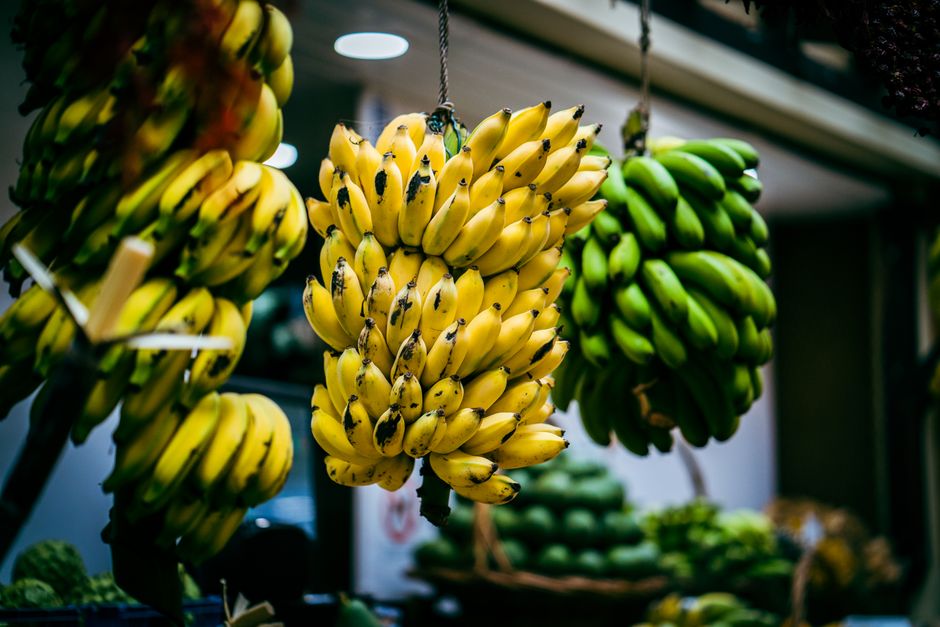
Unripe bananas are good for you, but for different reasons than ripe bananas. They are high in resistant starch, a type of carbohydrate that acts like fiber and feeds beneficial gut bacteria. They also contain less sugar and have a lower glycemic effect, which can help stabilize blood sugar. However, they are not ideal for everyone, especially if you have a sensitive digestive system.
What Makes Unripe Bananas Different From Ripe Bananas?
The main difference is in the carbohydrate composition. As bananas ripen, the starch inside them converts to sugar. An unripe green banana is mostly starch, while a fully ripe yellow banana is mostly sugar.
This change affects the banana’s taste, texture, and how your body processes it. Unripe bananas are firmer and less sweet. Ripe bananas are soft and sweet because the starch has broken down into glucose, fructose, and sucrose.
The process is natural. The enzyme amylase breaks down the starch as the banana matures. The greener the banana, the more resistant starch it contains.
How Does Resistant Starch Affect Your Health?
Resistant starch is a type of fiber that resists digestion in the small intestine. Instead, it travels to the large intestine where gut bacteria ferment it. This process produces short-chain fatty acids, particularly butyrate, which is a fuel source for colon cells.
Research consistently shows that resistant starch acts as a prebiotic. It feeds good bacteria and may improve digestive health. Some studies suggest it can increase insulin sensitivity and reduce blood sugar spikes after meals.
Because resistant starch is not fully digested, it also contributes fewer available calories than regular starch. This makes unripe bananas a more filling choice with less impact on blood sugar, compared to ripe bananas.
Can Unripe Bananas Help With Blood Sugar Control?
Yes. Unripe bananas have a lower glycemic index than ripe bananas. The glycemic index measures how quickly a food raises blood sugar. Foods with a lower GI are better for blood sugar management.
The resistant starch in green bananas slows down digestion and the release of sugar into the bloodstream. This can help prevent sharp spikes in blood glucose after eating. For people with diabetes or prediabetes, unripe bananas may be a smarter choice than fully ripe ones.
However, individual responses vary. If you eat a large amount, even unripe bananas can raise blood sugar. Portion size still matters.





Are There Downsides to Eating Unripe Bananas?
Unripe bananas can cause digestive discomfort for some people. The resistant starch and higher tannin content can be harder to digest. This may lead to bloating, gas, or constipation, especially if you are not used to eating high-fiber foods.
They also have a bitter taste and chalky texture that many people find unappealing. Green bananas are more astringent because of the tannins, which can make your mouth feel dry.
Additionally, unripe bananas contain less of certain antioxidants that develop during ripening, such as those that give the yellow peel its color. Overall, both stages have benefits, and the “better” choice depends on your health goals and tolerance.
How Do Unripe and Ripe Bananas Compare Nutritionally?
The table below shows the main differences for a medium banana (about 118 grams). Exact values vary by size and ripeness, but the pattern is consistent.
| Nutrient | Unripe (green) | Ripe (yellow with spots) |
|---|---|---|
| Total carbohydrates | ~28 g | ~28 g |
| Sugars | ~10 g | ~18 g |
| Starch | ~15 g (mostly resistant) | ~5 g (mostly digestible) |
| Fiber | ~3 g (includes RS as fiber) | ~3 g |
| Glycemic index | ~30–40 | ~50–60 |
The calorie count is similar, around 105 calories per medium banana, regardless of ripeness. The key difference is how those carbohydrates behave in your body.
Should You Eat Unripe Bananas?
If you want to improve blood sugar control or support gut health, unripe bananas are a good option. The resistant starch feeds beneficial bacteria and slows sugar absorption.
If you have irritable bowel syndrome or a sensitive stomach, you may tolerate ripe bananas better. The resistant starch in green bananas can cause gas and bloating in some people.
If you dislike the taste or texture, you can cook unripe bananas. Boiling or baking breaks down some of the resistant starch and makes them sweeter and softer. Boiled green bananas are a common dish in many cuisines and have a milder flavor.
There is no single “right” banana. Your choice should match your health needs, digestive comfort, and personal taste.
Frequently Asked Questions
Are unripe bananas healthier than ripe bananas?
They are not universally healthier, but they have different benefits. Unripe bananas are better for blood sugar control and gut health due to resistant starch, while ripe bananas offer more antioxidants and are easier to digest.
Can unripe bananas cause digestive problems?
Yes, some people experience bloating, gas, or constipation from the resistant starch and tannins. If you have a sensitive stomach, start with small amounts or choose ripe bananas instead.
Do unripe bananas have more calories than ripe bananas?
No, a medium banana has about 105 calories regardless of ripeness. The calorie difference is negligible because the total carbohydrate content stays roughly the same.
How can I eat unripe bananas if I don’t like the taste?
You can cook them by boiling, baking, or frying. Cooking softens the texture and reduces the bitterness. Green bananas are also used in smoothies or sliced into salads where the tartness can balance other flavors.
