
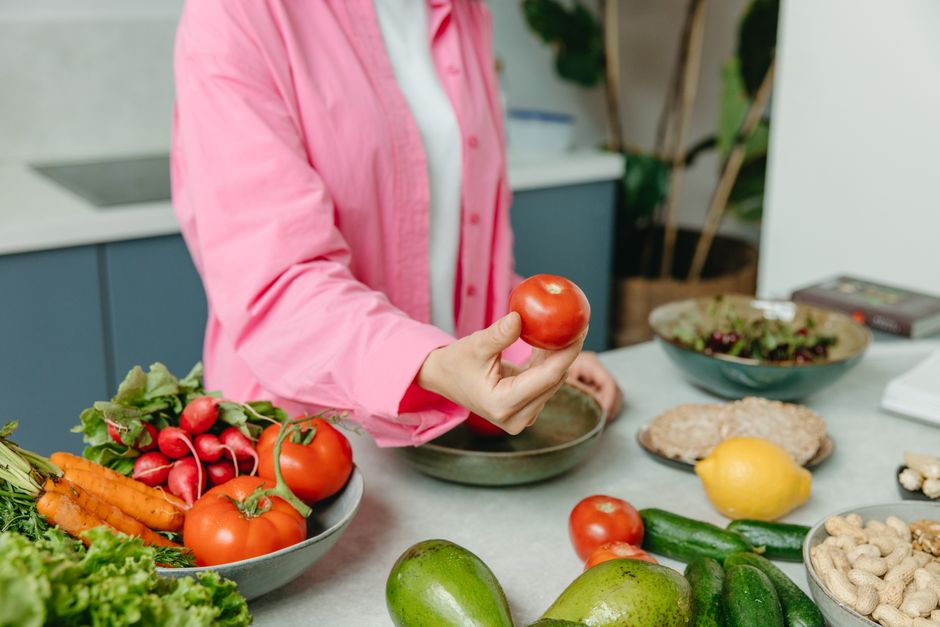
Yes, tomatoes are low FODMAP in specific serving sizes. The Monash University Low-FODMAP Diet app, which is the global standard for this information, lists ripe tomatoes as low FODMAP at 1 medium tomato (about 75 grams). This is the serving size that keeps the fermentable sugars low enough to avoid triggering symptoms for most people with IBS. The confusion comes from the fact that tomatoes contain small amounts of fructose and fructans, which can add up quickly if you eat more than this amount.
What Does Low FODMAP Mean for Tomatoes?
The low FODMAP diet was developed by researchers at Monash University in Australia. FODMAP stands for Fermentable Oligosaccharides, Disaccharides, Monosaccharides, and Polyols. These are short-chain carbohydrates that can pull water into the bowel and get fermented by gut bacteria, causing gas, bloating, and pain in people with IBS.
Tomatoes contain two types of FODMAPs: fructose and fructans. Fructose is a simple sugar. Fructans are chains of fructose molecules. The key to keeping tomatoes low FODMAP is eating a portion small enough that the total amount of these sugars stays below the trigger threshold. The Monash app specifically states that 1 medium ripe tomato (75g) is low FODMAP. At 80 grams or above, the fructan content becomes moderate and can cause issues.
This is not a vague recommendation. It is based on laboratory testing of the actual FODMAP content in tomatoes. The researchers measured the sugar levels directly, not guessed based on similar foods. This is why the serving size matters so much — it is the difference between a safe food and a trigger food.
Are Canned Tomatoes Low FODMAP?
Canned tomatoes are a common pantry staple, but they are not all the same. The canning process does not change the FODMAP content of the tomatoes themselves. What changes is the concentration. Canned crushed tomatoes, tomato sauce, and tomato paste are more concentrated forms, so you need to eat less to stay in the low FODMAP zone.
Monash University has tested several canned tomato products. Canned whole peeled tomatoes are low FODMAP at 1/2 cup (about 120 grams). Canned crushed tomatoes are low FODMAP at 1/4 cup (about 60 grams). Tomato paste is low FODMAP at 2 tablespoons (about 30 grams). These serving sizes are smaller than what most recipes call for, which is why many people on the low FODMAP diet find they need to limit tomato-based sauces.
One important detail: some canned tomatoes have added ingredients like garlic or onion powder. These are high FODMAP ingredients and will make the product unsafe regardless of the tomato amount. Always check the ingredient label on canned tomatoes. If it lists garlic, onion, or any derivative of these, skip it.
Are Cherry Tomatoes and Grape Tomatoes Low FODMAP?
Cherry tomatoes and grape tomatoes are smaller than standard slicing tomatoes. Their FODMAP content per tomato is lower because they are smaller. But the serving size is still measured by weight, not by count. Monash University reports that 5 cherry tomatoes (about 75 grams total) are low FODMAP.
This is a common point of confusion. People think because cherry tomatoes are tiny, they can eat a whole bowl of them. That is not how it works. Five cherry tomatoes is roughly the same weight as one medium slicing tomato. If you eat 10 or 15 cherry tomatoes, you will exceed the safe threshold and likely trigger symptoms.
Grape tomatoes are similar in weight to cherry tomatoes. The same rule applies: weigh them or count them. A handful of 5 to 6 grape tomatoes is your limit. If you want more tomato flavor in a salad, consider adding low FODMAP vegetables like cucumber, bell pepper, or zucchini instead of increasing the tomato count.



Are Sun-Dried Tomatoes Low FODMAP?
Sun-dried tomatoes are a different story entirely. Because the water is removed, the FODMAP content becomes much more concentrated. You cannot eat the same weight of sun-dried tomatoes as fresh tomatoes and stay low FODMAP. Monash University tested sun-dried tomatoes and found them low FODMAP only at a very small serving size: about 1 tablespoon (10 grams).
At 15 grams or more, sun-dried tomatoes become high in fructans. This means you can use them as a garnish or flavor accent, but you cannot rely on them as a main ingredient in a recipe. A common mistake is adding sun-dried tomatoes to pasta or salads thinking they are safe because fresh tomatoes are safe. They are not the same food in terms of FODMAP content.
Some people with IBS find they tolerate sun-dried tomatoes better than fresh ones. This is not because the FODMAPs are gone. It is because the serving size is so small that the total FODMAP load is low. The same principle applies: stay within the tested serving size, and you will likely be fine.
Are Tomato Juice and Tomato Soup Low FODMAP?
Tomato juice is made from concentrated tomatoes, so the FODMAP content is higher per volume than fresh tomatoes. Monash University reports that tomato juice is low FODMAP at 1/3 cup (about 80 ml). Most commercial tomato juice servings are 8 ounces (240 ml), which is three times the safe amount. Drinking a full glass of tomato juice will likely cause symptoms for someone with IBS.
Tomato soup is a different challenge. The tomato base itself can be low FODMAP if you use the right amount of canned tomatoes or fresh tomatoes. But nearly all canned tomato soups contain garlic, onion, or cream. Garlic and onion are high FODMAP ingredients. Cream is low FODMAP in small amounts but can be an issue for people with lactose intolerance. Homemade tomato soup using low FODMAP canned tomatoes and safe seasonings is your best option if you want to stay within the diet.
One practical tip: if you are making tomato sauce from scratch, use 1/4 cup of canned crushed tomatoes per serving. This keeps the total FODMAP load low. Add flavor with basil, oregano, thyme, or a small amount of garlic-infused oil (which is low FODMAP because the FODMAPs are not water-soluble and do not transfer into the oil).
Are Tomatoes Low FODMAP in Large Amounts?
No. This is the most important point in the entire article. Tomatoes are low FODMAP only at the specific serving sizes tested by Monash University. Once you exceed those amounts, the fructan and fructose content adds up and becomes moderate to high. For fresh tomatoes, that limit is about 75 grams — one medium tomato. For cherry tomatoes, it is five. For canned crushed tomatoes, it is 1/4 cup.
Many people fail on the low FODMAP diet because they assume a food is either “safe” or “unsafe” in all amounts. That is not how FODMAPs work. Every food has a threshold. Rice is low FODMAP in unlimited amounts. Bananas are low FODMAP until they are very ripe. Tomatoes are low FODMAP only in small portions. The diet is about portion control, not elimination.
If you eat a large tomato salad, a bowl of pasta with tomato sauce, or several slices of tomato on a sandwich, you will likely exceed the safe limit. This does not mean tomatoes are bad. It means you need to measure and track them like any other moderate FODMAP food during the elimination phase of the diet.
| Tomato Product | Low FODMAP Serving Size | What Happens Above This Amount |
|---|---|---|
| Fresh ripe tomato | 1 medium (75g) | Fructans become moderate at 80g |
| Cherry tomatoes | 5 tomatoes (75g) | Fructans become moderate at 6+ |
| Canned crushed tomatoes | 1/4 cup (60g) | Fructans become high at 1/3 cup |
| Tomato paste | 2 tablespoons (30g) | Fructans become moderate at 3 tbsp |
| Sun-dried tomatoes | 1 tablespoon (10g) | Fructans become high at 15g |
| Tomato juice | 1/3 cup (80ml) | Fructans become moderate at 1/2 cup |
Common Misconceptions About Tomatoes and FODMAPs
One widespread myth is that cooking tomatoes reduces their FODMAP content. This is not true. Heat does not break down fructans or fructose in a way that makes them safe. Cooking can change the texture and flavor, but the FODMAP molecules remain intact. A cooked tomato sauce has the same FODMAP load as the raw tomatoes used to make it.
Another misconception is that green tomatoes are lower FODMAP than ripe tomatoes. This is also not supported by evidence. Monash University tested ripe red tomatoes. They have not published data on green or unripe tomatoes. Until that data exists, assume green tomatoes have a similar FODMAP profile. Relying on unverified claims from blogs is risky.
Some people believe that peeling tomatoes removes the FODMAPs. The skin contains fiber and some nutrients, but the fructans and fructose are distributed throughout the flesh. Peeling will not reduce the FODMAP content enough to allow larger servings. The only way to increase your tomato intake safely is to spread it across multiple meals, each within the low FODMAP serving size.
A final myth is that organic tomatoes are lower FODMAP than conventionally grown ones. There is no research to support this. The FODMAP content of a tomato is determined by its genetics and ripeness, not by whether it was grown with or without pesticides. Buying organic may reduce pesticide exposure, but it will not change how many tomatoes you can eat safely.
Frequently Asked Questions
Can I eat tomatoes on the low FODMAP diet?
Yes, you can eat tomatoes in specific serving sizes. One medium ripe tomato or five cherry tomatoes is low FODMAP.
How many cherry tomatoes can I eat on low FODMAP?
You can eat up to five cherry tomatoes, which weighs about 75 grams total. Eating more than that may trigger symptoms.
Is tomato sauce low FODMAP?
Tomato sauce is low FODMAP at 1/4 cup of canned crushed tomatoes. Most jarred sauces contain garlic or onion, which are high FODMAP.
Are sun-dried tomatoes low FODMAP?
Sun-dried tomatoes are low FODMAP only at 1 tablespoon (10 grams). At 15 grams or more, they become high in fructans.
