
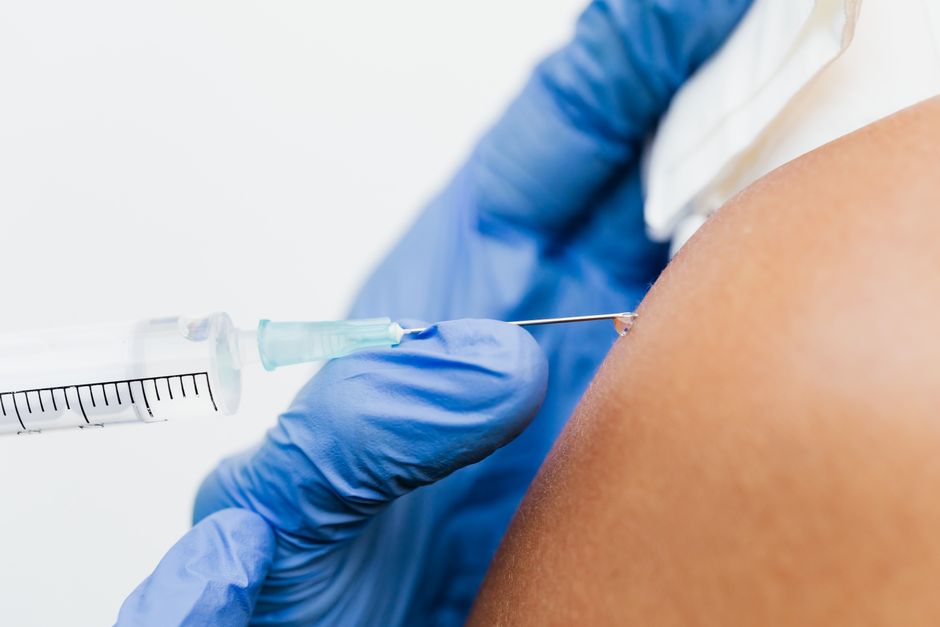
If you are pregnant and a doctor has recommended a steroid injection, you likely have questions and concerns. The direct answer is that steroid injections are often used safely during pregnancy for specific medical conditions, but they are not without risks and are never given casually. The safety depends heavily on why the injection is needed, the type of steroid used, the dosage, and the stage of your pregnancy.
Why Are Steroid Injections Given During Pregnancy?
There are two very different reasons a pregnant woman might receive a steroid injection. Understanding the difference is the first step in understanding the risks.
The first reason is for the baby’s lungs. If you are at risk of delivering prematurely, usually before 37 weeks, doctors give a course of corticosteroids like betamethasone or dexamethasone. These injections help speed up the development of the baby’s lungs. This treatment is a standard, life-saving practice that has been used for decades. The goal is to reduce the risk of respiratory distress syndrome after birth.
The second reason is to treat the mother’s own medical condition. This could include autoimmune diseases, severe asthma, or certain skin conditions. In these cases, the injection, often containing a steroid like triamcinolone or methylprednisolone, is meant to calm your immune system or reduce inflammation in your body. The risks and benefits here are evaluated very differently than when treating the baby’s lungs.
Are Injections for Fetal Lung Development Safe?
When a woman is at risk for preterm labor, the use of antenatal corticosteroids is one of the most strongly supported practices in obstetrics. Research consistently shows that a single course of these injections significantly reduces the risk of newborn respiratory distress syndrome, intracranial hemorrhage, and neonatal death. The benefit to the premature baby is clear and substantial.
Because of these proven benefits, the treatment is a standard recommendation for women between 24 and 34 weeks of pregnancy who are likely to deliver within the next seven days. The standard course is typically two injections given 24 hours apart. Doctors generally do not recommend repeat courses every week, as studies have raised concerns about potential long-term effects on the baby’s growth and brain development when multiple courses are given.
For the mother, a single course is considered safe. The most common side effects are temporary increases in blood sugar and, less commonly, an increase in blood pressure. These are usually monitored closely if you are in the hospital. The decision to give these injections is a clear case where the benefit to the baby far outweighs the minimal risk to the mother.
Are Injections for Maternal Medical Conditions Safe?
This is a different scenario. When the injection is for your own health condition, the safety profile is more complex. The decision is not about helping the baby but about managing a disease in the mother without harming the fetus.
Steroids are powerful anti-inflammatory drugs. When given in higher doses for maternal conditions, they can cross the placenta and reach the baby. The risk to the baby depends on the dose, the specific steroid, and how long the effects last. For example, prednisone and prednisolone are often preferred in pregnancy because the placenta inactivates them to a degree, meaning less of the active drug reaches the baby.
However, the evidence is clear that chronic, high-dose steroid use during pregnancy is associated with an increased risk of certain problems. These include a higher risk of preterm birth and low birth weight. Some research also suggests an increased risk of cleft palate in the baby if steroids are used in the first trimester, though the absolute risk is still very low. The evidence for this specific risk is mixed, but it is why doctors are cautious about using them early in pregnancy.
Because of these risks, doctors use these injections only when the mother’s condition is severe and uncontrolled. For instance, a severe asthma attack or a lupus flare can deprive the baby of oxygen, which is a far greater danger than the steroid itself. In these situations, the injection is necessary to protect both the mother and the baby.





What Is the Risk of Repeated Injections?
Repeated exposure is a key concern. A single injection for a short-term problem is very different from multiple injections over months. The risks to the baby, such as slower growth, are more closely linked to the total cumulative dose of steroid you receive during the pregnancy.
For fetal lung maturity, repeat courses are generally avoided unless the risk of preterm delivery returns after a prolonged period. For maternal conditions, the goal is always to use the lowest effective dose for the shortest time possible. If you need ongoing treatment, doctors may switch you to an oral steroid that can be tapered down slowly, rather than giving repeated injections.
The distinction between a one-time injection and a treatment plan is crucial. A single injection is a calculated risk. A series of injections requires a much more careful review of the risks and benefits, often involving a specialist in maternal-fetal medicine.
How Do Steroid Injections Compare to Other Options?
Sometimes an injection is not the only choice. If you have a condition like arthritis or bursitis, a doctor might suggest a steroid injection directly into the joint. The amount of steroid that enters your bloodstream from this type of injection is usually much lower than from an injection into a muscle or vein. However, it is not zero.
For many inflammatory conditions, there are alternative treatments. These can include other medications that are considered safer during pregnancy, physical therapy, or lifestyle adjustments. The decision to use a steroid injection often comes after other, safer options have failed to control the condition.
It is also important to understand that not all steroids are the same. Inhaled steroids for asthma, for example, are generally considered very safe in pregnancy because they act locally on the lungs and very little reaches the rest of the body. Topical steroid creams for skin conditions are also generally safe when used sparingly. The risk profile changes significantly when the steroid is injected systemically.
What Questions Should You Ask Your Doctor?
If you are offered a steroid injection, you have the right to understand the reasoning. You should ask why the injection is recommended and what condition it is treating. Ask what specific steroid is being used and the exact dose. Ask how many injections are planned and what the potential side effects are for both you and your baby.
It is reasonable to ask if there is a non-injection alternative that is equally effective. Ask what happens if you delay the injection or do not get it at all. In an emergency, such as a premature labor threat, the answer may be that the risks of not treating are severe. In a non-emergency situation, you may have more time to consider your options.
Your doctor should be able to explain the balance of risks clearly. If they cannot, or if you feel rushed, it is appropriate to ask for a referral to a maternal-fetal medicine specialist. These are obstetricians with extra training in high-risk pregnancies and they are best equipped to assess complex medication risks.
Being informed is the best way to protect yourself and your baby. The decision is always individualized. What is safe for one woman may not be safe for another, depending on her medical history and the specific reason for the injection.
Frequently Asked Questions
Can steroid injections cause birth defects?
Some studies suggest a small increased risk of cleft palate when systemic steroids are used in the first trimester, but the absolute risk remains very low. Most steroid injections given later in pregnancy for lung maturity are not associated with structural birth defects.
Are steroid shots for allergies safe while pregnant?
Doctors generally avoid allergy shots that contain steroids during pregnancy unless the allergic reaction is severe and uncontrolled. The risk of the medication must be weighed against the risk of a severe allergic reaction harming the pregnancy.
How long do steroid injections stay in your system during pregnancy?
The medication can affect your body for several days to a few weeks, depending on the type of steroid and the dose. The active effects on the baby, such as lung maturation, begin within 24 to 48 hours and are most beneficial if delivery occurs more than 24 hours after the first injection.
Can a steroid injection cause a miscarriage?
There is no strong evidence that a single steroid injection causes miscarriage. The greater risk to a pregnancy comes from untreated severe maternal illness, which can reduce oxygen supply to the baby.
