
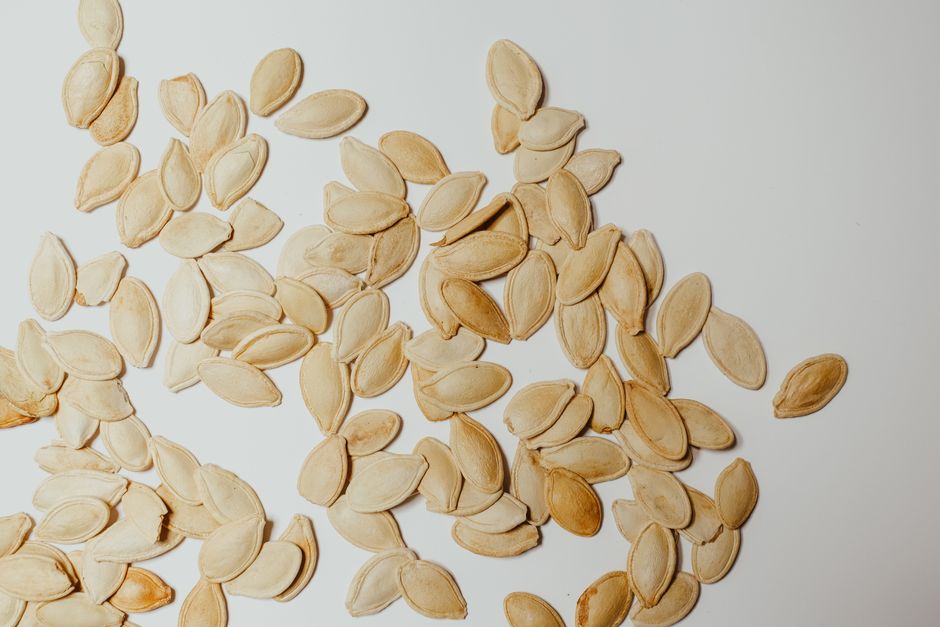
Roasted pumpkin seeds are good for you. They are a concentrated source of plant protein, healthy fats, magnesium, zinc, and antioxidants. Eating them regularly as part of a balanced diet can support heart health, blood sugar control, and provide important minerals that many people do not get enough of.
What Are the Main Health Benefits of Roasted Pumpkin Seeds?
Pumpkin seeds are one of the most nutrient-dense seeds you can eat. A standard serving is about one ounce, which is roughly a quarter cup or a small handful. That single serving provides a meaningful amount of daily nutrition without excess calories.
Research consistently shows that pumpkin seeds are rich in magnesium. Magnesium plays a role in over 300 enzyme systems in the body, including muscle and nerve function, blood pressure regulation, and protein synthesis. Many American adults do not meet the recommended daily intake for magnesium, so adding pumpkin seeds is a practical way to close that gap.
The seeds also contain zinc, which supports immune function and wound healing. A one-ounce serving provides a substantial portion of the daily recommended intake for adults. This matters because zinc deficiency is not rare, especially in older adults.
Pumpkin seeds are also a solid source of plant-based protein. Unlike many snacks that offer empty calories, pumpkin seeds deliver protein, fiber, and fat together. That combination slows digestion and helps you feel full longer.
Are Roasted Pumpkin Seeds Good for Heart Health?
Pumpkin seeds contain compounds that appear to support cardiovascular health. They are rich in unsaturated fats, specifically omega-6 and omega-9 fatty acids. These fats are associated with healthier cholesterol profiles when they replace saturated fats in the diet.
Some studies suggest that pumpkin seed consumption may help lower LDL cholesterol and blood pressure. The magnesium content is likely part of the mechanism, since magnesium helps blood vessels relax. However, the evidence for dramatic heart benefits is modest, not definitive. Pumpkin seeds are a helpful addition to a heart-healthy diet, but they are not a treatment for existing heart disease.
The seeds also contain phytosterols. These plant compounds have a chemical structure similar to cholesterol. In the digestive tract, phytosterols compete with dietary cholesterol for absorption. Some research indicates that eating foods with phytosterols can modestly reduce blood cholesterol levels.
Can Roasted Pumpkin Seeds Help With Blood Sugar Control?
Pumpkin seeds have a low glycemic impact. They contain very little carbohydrate, and the fat, protein, and fiber they provide slow the release of sugar into the bloodstream. For people managing type 2 diabetes or prediabetes, pumpkin seeds are a reasonable snack choice.
Some research in animals and small human studies has looked at pumpkin seed extracts and blood sugar regulation. The results are promising but not conclusive. No large human trials have confirmed that eating pumpkin seeds directly lowers blood sugar. What is well established is that replacing high-carbohydrate snacks with nutrient-dense seeds generally improves blood sugar management.
If you are counting carbohydrates for diabetes management, be aware that roasted pumpkin seeds are not zero-carb. A one-ounce serving contains a small amount of carbohydrate, roughly 4 grams. This is minimal but should still be counted if you use insulin or follow a strict carb budget.




What Nutrients Do Roasted Pumpkin Seeds Provide?
The nutritional profile of roasted pumpkin seeds is worth understanding in detail. The following values are based on USDA nutritional data for one ounce of roasted pumpkin seeds without added salt.
| Nutrient | Amount per 1 oz (about 28g) | Percent of Daily Value |
|---|---|---|
| Calories | ~160 | — |
| Protein | ~9 g | 18% |
| Total Fat | ~14 g | — |
| Fiber | ~2 g | 7% |
| Magnesium | ~150 mg | 37% |
| Zinc | ~2 mg | 15% |
| Iron | ~2.5 mg | 14% |
| Phosphorus | ~330 mg | 26% |
These numbers vary slightly depending on the brand and how the seeds are processed. The key takeaway is that pumpkin seeds are unusually dense in minerals that are commonly under-consumed in American diets.
Is Roasting Bad for the Nutrients in Pumpkin Seeds?
Roasting changes the nutritional profile of pumpkin seeds, but not in a way that cancels their benefits. The heat does reduce some heat-sensitive vitamins, particularly B vitamins. However, the minerals — magnesium, zinc, iron, phosphorus — are stable at normal roasting temperatures.
The bigger concern with roasted seeds is added ingredients. Many commercial roasted pumpkin seeds are coated in oil and salt. A high-sodium version can undermine the blood pressure benefits you might be seeking. Check the label. If sodium is listed above 150 mg per serving, you are getting more salt than the seeds themselves justify.
Roasting in a small amount of oil is fine. The oil adds calories but does not harm the nutrients. Dry roasting at home, without oil, is the leanest option. The seeds have enough natural fat that they toast well on their own in a pan or oven.
One thing to know: the seed shell is edible and contains extra fiber. Many people prefer shelled seeds, which are softer and easier to eat. Both versions are nutritious. The shelled version has slightly less fiber because the outer layer is removed.
Are There Any Risks or Downsides to Eating Roasted Pumpkin Seeds?
Pumpkin seeds are safe for most people, but there are a few considerations. They are calorie-dense. It is easy to eat several handfuls without noticing, and the calories add up quickly. A quarter cup is a sensible portion. More than that on a regular basis can contribute to weight gain.
Some people experience digestive discomfort after eating pumpkin seeds. The fiber and fat combination can cause bloating or gas if you eat a large amount at once. Start with a small portion and see how your body responds.
Allergies to pumpkin seeds are rare but possible. If you have a known allergy to other seeds, particularly sunflower or sesame seeds, use caution when trying pumpkin seeds for the first time.
There is no established clinical guidance for a maximum daily intake of pumpkin seeds. The evidence simply does not define an upper limit. The practical answer is to treat them like any other calorie-dense food: a reasonable portion, not a bottomless bowl.
How Should You Choose and Store Roasted Pumpkin Seeds?
When buying roasted pumpkin seeds, look for versions with minimal ingredients. Ideally, the ingredient list should say “pumpkin seeds” and perhaps “salt.” Avoid products with added sugar, artificial flavorings, or hydrogenated oils.
Unsalted or lightly salted versions are better for blood pressure management. If you have hypertension or are watching your sodium intake, choose unsalted seeds and add your own spices at home. Cinnamon, paprika, or a small amount of sea salt can add flavor without excessive sodium.
Storage matters because the fats in pumpkin seeds can go rancid. Rancid seeds develop an off smell and bitter taste. They are not dangerous to eat in small amounts, but they are not pleasant and the nutritional quality degrades. Store roasted pumpkin seeds in an airtight container in a cool, dark place. For longer storage, keep them in the refrigerator or freezer.
Frequently Asked Questions
How many roasted pumpkin seeds should I eat per day?
A reasonable daily portion is about one ounce, or a quarter cup. This provides meaningful nutrients without excessive calories.
Are roasted pumpkin seeds better than raw pumpkin seeds?
Both are nutritious. Roasting improves flavor and makes the seeds easier to chew, but it slightly reduces heat-sensitive vitamins.
Can eating pumpkin seeds help with sleep?
Pumpkin seeds contain tryptophan, an amino acid involved in melatonin production. Some research suggests this may support sleep, but no clinical trials have confirmed that eating pumpkin seeds improves sleep quality.
Are pumpkin seeds safe to eat every day?
Yes, for most people. A daily one-ounce portion is safe and nutritionally beneficial as part of a balanced diet.
