
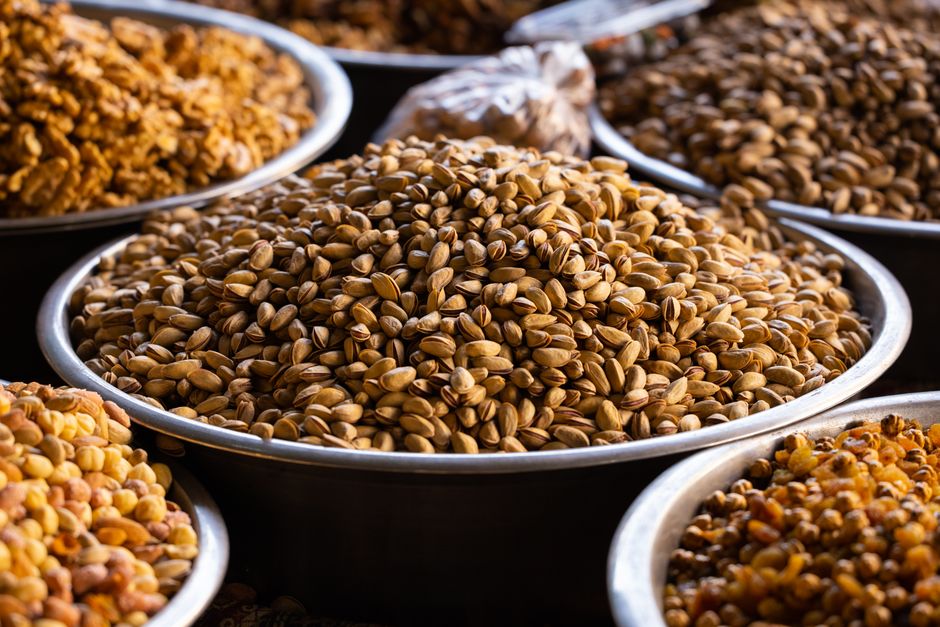
Fenugreek seeds are sometimes taken to support testosterone levels, but the way you take them matters more than most articles admit. Research shows that specific preparation methods and dosages can influence how much your body actually absorbs from these small, bitter seeds. The key facts are that fenugreek seeds need to be soaked or sprouted to reduce anti-nutrients, taken consistently for at least 8-12 weeks, and combined with a healthy diet for any real effect on testosterone.
Does Fenugreek Actually Boost Testosterone?
The short answer is that evidence is mixed but promising for specific groups of men. Several small studies have found that fenugreek supplements can increase free testosterone levels in middle-aged and older men. A 2017 study published in Phytotherapy Research gave 50 men aged 43-70 a daily fenugreek extract for 12 weeks. Their free testosterone levels went up by about 46% on average.
But here is what those articles often leave out. The increase was in free testosterone — the hormone not bound to proteins — not total testosterone. That is still meaningful because free testosterone is what your cells actually use. However, the effect is modest compared to prescription treatments. You are not going to see bodybuilder-level changes from seeds alone.
Other studies show no significant change in younger men with normal testosterone. If your levels are already healthy, fenugreek likely does nothing extra. The benefit appears strongest in men whose testosterone is naturally declining with age or is on the lower end of normal.
How To Take Fenugreek Seeds For Testosterone: The Right Prep
Raw fenugreek seeds straight from the jar are not your best option. They contain compounds called saponins and phytic acid that can block mineral absorption and cause digestive upset. Soaking or sprouting reduces these anti-nutrients significantly.
The standard method is to soak one to two teaspoons of seeds in a cup of water overnight. Drink the water in the morning on an empty stomach. You can eat the softened seeds or strain them out. Some people find the taste extremely bitter. If that is an issue, sprouting the seeds for 2-3 days before eating them reduces bitterness while preserving the active compounds.
Another common method is grinding the seeds into a powder and mixing it into warm milk or tea. This is traditional in Ayurvedic practice. The fat in milk may help absorption of fat-soluble compounds in fenugreek. Just be aware that the powder form is more concentrated. Start with half a teaspoon and see how your body handles it.
What Dose Actually Works According to Research
Studies on fenugreek and testosterone typically use standardized extracts, not whole seeds. The effective dose in clinical trials is usually 500-600 mg of fenugreek extract per day. That is not the same as eating whole seeds. Whole seeds are less concentrated, so you need more.
For whole seeds, most research suggests 5-10 grams per day — roughly one to two teaspoons. That is the amount used in traditional medicine systems. Going higher than that does not seem to increase benefits but does increase side effects like gas, bloating, and that maple-syrup body odor fenugreek is famous for.
A practical approach is to start with one teaspoon of soaked seeds daily for two weeks. If you tolerate it well and want to try more, increase to two teaspoons. Do not exceed 10 grams of whole seeds per day. There is no evidence that more is better, and there is plenty of evidence that more causes stomach issues.
| Form | Typical Daily Dose | Notes |
|---|---|---|
| Whole seeds (soaked) | 1-2 teaspoons (5-10g) | Soak overnight; drink water and eat seeds |
| Ground powder | 1/2 to 1 teaspoon | Mix into milk or tea; more concentrated |
| Standardized extract | 500-600 mg | Used in most clinical studies |




How Long Before You See Any Changes
Fenugreek is not fast-acting. Do not expect anything in the first few weeks. The studies that show testosterone changes typically run for 8 to 12 weeks. That is the minimum time frame to see if it works for you.
Some people report feeling more energy or better mood within a few weeks, but those are subjective effects. Testosterone changes take longer because the body needs time to adjust hormone production. The active compounds in fenugreek — furostanolic saponins — work by inhibiting enzymes that convert testosterone into other hormones. This effect builds up gradually.
If you try fenugreek for 12 weeks and notice no difference in energy, mood, or libido, it probably is not doing much for your testosterone. There is no point continuing indefinitely. Some people are simply non-responders, and that is normal.
What To Avoid When Taking Fenugreek
Do not take fenugreek with blood-thinning medications without talking to a doctor first. Fenugreek contains coumarin compounds that can thin the blood. If you are on warfarin or aspirin, this combination can be risky.
Avoid taking fenugreek if you are diabetic and on medication without monitoring your blood sugar closely. Fenugreek can lower blood sugar significantly. Several studies show it reduces fasting glucose by 10-20%. That is great for some people, but dangerous if your medication dose is not adjusted.
Do not expect fenugreek to fix low testosterone caused by obesity, poor sleep, or chronic stress. Those factors lower testosterone through entirely different biological pathways. Fenugreek cannot override them. If your lifestyle is working against you, no seed or supplement will compensate.
- Avoid raw dry seeds — they cause bloating and reduce mineral absorption
- Do not take fenugreek if you are pregnant or nursing — it can stimulate uterine contractions
- Stop using fenugreek at least two weeks before any surgery due to blood-thinning effects
Common Misconceptions About Fenugreek and Testosterone
The biggest myth is that fenugreek directly contains testosterone or testosterone-like compounds. It does not. Fenugreek contains saponins that may influence hormone metabolism, but it is not a source of testosterone itself. Your body still has to produce its own.
Another widespread claim is that fenugreek increases libido in all men. The evidence does not support that. A 2011 study in Journal of the International Society of Sports Nutrition found that fenugreek improved libido in men with low desire, but only by about 20-30% on self-reported scales. That is real but modest. It is not a guaranteed effect.
Some sources claim fenugreek seeds must be roasted to activate their benefits. There is no evidence for this. Roasting can actually destroy some heat-sensitive compounds. Soaking or sprouting is better supported by traditional use and basic food science.
Realistic Expectations: What Fenugreek Can and Cannot Do
Fenugreek can support healthy testosterone levels in men whose levels are on the lower end. It may improve energy, mood, and libido in that group. It cannot reverse hypogonadism or replace medical testosterone therapy. If your total testosterone is below 300 ng/dL, see a doctor. Seeds will not fix that.
Fenugreek also cannot build muscle on its own. Some studies show small improvements in strength and body composition when combined with resistance training, but the effect is minor. Do not buy into marketing that calls it a natural steroid. It is not.
The most honest way to think about fenugreek is as a mild support tool. It works best when your diet, sleep, and exercise are already in good shape. If those are off, fix them first. Fenugreek is the last 5-10%, not the foundation.
Frequently Asked Questions
Can I take fenugreek seeds every day?
Yes, up to 10 grams of whole seeds daily is considered safe for most people. Start with a lower dose to check for digestive tolerance.
Is fenugreek better as seeds or supplements?
Standardized extracts are more consistent in dosage and have more research backing them. Whole seeds work but require proper preparation like soaking.
Does fenugreek cause weight gain?
No, fenugreek is not linked to weight gain. Some studies actually show modest improvements in appetite control and fat loss.
Can women take fenugreek for hormones?
Some women use fenugreek for menstrual discomfort or breastfeeding support, but effects on female hormones are not well studied. Consult a doctor first.
