
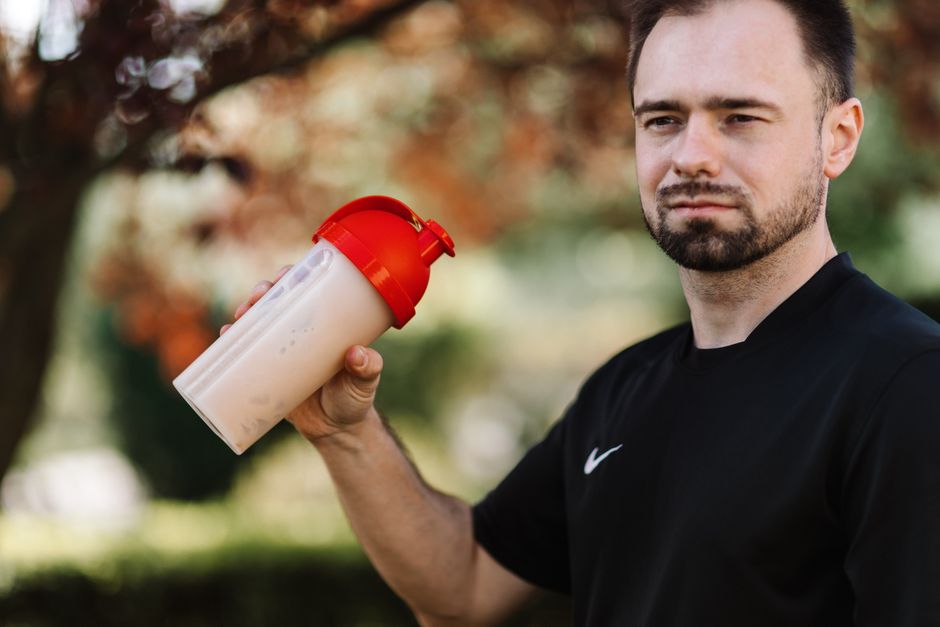
Protein powders are a popular tool for weight loss, and the evidence shows they can help — but only when used correctly. Protein helps preserve muscle while you cut calories, and it increases fullness more than carbohydrates or fat. However, protein powder alone will not cause weight loss. It only works as part of a calorie-controlled diet, and how you use it matters more than the powder itself.
How Does Protein Help With Weight Loss?
Protein is the most filling of the three macronutrients. Studies consistently show that meals high in protein reduce hunger and lead to eating less at the next meal. This effect is partly hormonal. Protein increases levels of GLP-1 and peptide YY, hormones that signal fullness to the brain. It also reduces ghrelin, the hormone that stimulates hunger.
Protein also has a higher thermic effect than carbohydrates or fat. Your body burns more calories digesting protein than it does processing other foods. This is a real effect, but it is modest. The bigger benefit is appetite control, not the extra calories burned during digestion.
When you reduce calories to lose weight, some of that weight is always muscle. Protein helps slow this muscle loss. Keeping muscle matters because muscle tissue burns calories even at rest. More muscle means a slightly higher metabolic rate, which makes it easier to maintain weight loss over time.
Are Protein Powders Good for Weight Loss Compared to Whole Foods?
Protein powders are not nutritionally superior to whole food protein sources. Chicken breast, fish, eggs, Greek yogurt, and legumes all provide high-quality protein with additional nutrients. The advantage of powder is convenience and precision. A scoop of whey protein takes seconds to prepare and delivers a known amount of protein with minimal effort.
Whole foods have advantages that powders lack. They provide more chewing time, which contributes to fullness. They also contain fiber, vitamins, and minerals that most protein powders do not. A diet based entirely on shakes would miss these nutrients.
The practical answer is that both work. Research comparing protein shakes to whole food protein sources shows similar effects on weight loss when total protein intake and calories are matched. Choose whole foods most of the time and use powder when convenience matters — after a workout, during travel, or when you need a quick meal replacement.
How Much Protein Do You Need for Weight Loss?
The standard recommendation for general health is 0.8 grams of protein per kilogram of body weight per day. For weight loss, research consistently supports higher intake. Most studies use a range of 1.2 to 2.2 grams per kilogram of body weight per day. This translates to roughly 0.5 to 1 gram per pound of body weight.
For a 180-pound person, that means about 90 to 180 grams of protein daily. The lower end of this range works for most people. The higher end is for those doing intense resistance training or following a very aggressive calorie deficit.
Spreading protein across the day matters. Aim for 20 to 40 grams per meal. This maximizes muscle protein synthesis and keeps hunger steady throughout the day. A single massive protein shake at dinner is less effective than balanced intake at each meal.





Which Type of Protein Powder Is Best?
Whey protein is the most studied. It digests quickly and contains all nine essential amino acids. Research consistently shows it supports muscle preservation during weight loss. It also has a complete amino acid profile, meaning your body can use it efficiently.
Casein protein digests more slowly. It is often taken before bed to provide a steady release of amino acids overnight. The evidence for a significant advantage over whey is limited, but it is a reasonable choice for those who prefer it.
Plant-based proteins — pea, soy, rice, and hemp — are good options. Pea protein has a solid amino acid profile and performs similarly to whey in most studies. Soy is also complete. Rice protein is lower in lysine but is often blended with pea protein to create a complete profile.
What matters more than the source is the total protein per serving and whether you tolerate it. Check the label for protein content per scoop. Many powders contain 20 to 25 grams per serving. Avoid products with excessive added sugar — some flavored powders contain as much sugar as a candy bar.
Can Protein Shakes Replace Meals for Weight Loss?
Meal replacement shakes can help with weight loss, but they are not a long-term solution. Studies show that replacing one or two meals per day with a protein shake leads to short-term weight loss. The structure is simple — you know exactly how many calories you are consuming, which removes guesswork.
The problem is sustainability. Liquid meals are less satisfying than solid food for most people. You may feel hungry sooner after a shake than after a meal with the same calories. This leads many people to abandon meal replacement within weeks.
A better approach is using protein shakes as a supplement, not a replacement. Have a shake as a snack between meals, or add a scoop to your morning smoothie. This increases protein intake without eliminating the satisfaction of real food.
If you do use meal replacement shakes, choose one with at least 20 grams of protein, under 300 calories, and minimal added sugar. Use them for one meal per day at most, and only for a limited period.
What Are the Risks and Downsides of Protein Powders?
Protein powders are generally safe for healthy adults. Most people tolerate them without issue. However, there are some downsides to consider.
Digestive discomfort is common. Whey protein can cause bloating, gas, or stomach cramps in people with lactose intolerance. Plant-based proteins are less likely to cause these symptoms. Start with a smaller serving to see how your body responds.
Some protein powders contain contaminants. Independent testing has found heavy metals like lead and cadmium in some products. This is a real concern, especially for daily long-term use. Choose brands that have third-party testing for purity. Look for certifications like NSF Certified for Sport or Informed Choice.
Protein powders are not a replacement for whole food protein. Relying on them for most of your protein intake means missing out on nutrients like iron, zinc, and B vitamins found in meat, fish, and legumes. Use them as a supplement, not a staple.
People with kidney disease should be cautious. High protein intake can strain damaged kidneys. If you have kidney issues, talk to your doctor before adding protein powder to your diet. For healthy kidneys, high protein intake is not harmful, but the evidence is clear that moderation is still wise.
Do Protein Powders Help You Keep Weight Off?
Weight maintenance is harder than weight loss for many people. The research on protein for maintenance is encouraging. Higher protein intake helps preserve muscle during weight loss, and that muscle helps maintain metabolic rate after the diet ends.
Protein also helps with the hunger that often returns after weight loss. When your body is in a calorie deficit, hunger hormones increase. Higher protein intake blunts this effect, making it easier to stick to your maintenance calories.
One caution: the evidence for long-term weight maintenance with protein supplementation is mixed. Some studies show benefit, others show no difference. The most reliable predictor of maintained weight loss is adherence to a sustainable eating pattern — whether that includes protein powder or not.
How to Use Protein Powder for Weight Loss Effectively
Start with your total daily protein target. Calculate it based on your body weight — roughly 0.5 to 1 gram per pound. Then plan your meals around whole food protein sources. Use powder to fill any gaps.
A practical approach looks like this:
- Breakfast: Greek yogurt with fruit, or eggs with vegetables
- Lunch: Chicken or tofu salad with beans
- Snack: Protein shake with water or unsweetened milk
- Dinner: Fish or lean meat with vegetables and a grain
This pattern provides roughly 100 to 150 grams of protein per day for most people. The shake fills the snack gap and prevents reaching for processed food later.
Timing matters less than total intake. The idea of an “anabolic window” right after a workout is overstated. Getting enough protein across the entire day is what matters for muscle preservation and appetite control.
Avoid protein powders with added sugar, artificial sweeteners you react to, or unnecessary fillers. Plain, unflavored powder is the most versatile. You can add it to smoothies, oatmeal, or yogurt without changing the taste much.
Protein Powders Good for Weight Loss — The Bottom Line
Protein powders can be a useful tool for weight loss, but they are not a magic solution. They help control appetite, preserve muscle, and make it easier to hit a high-protein target. None of this matters if your total calories are not controlled.
The evidence supports using protein powder as a supplement within a balanced diet. It works best when combined with whole food protein sources, regular meals, and a modest calorie deficit. It does not work as a standalone strategy.
If you are considering protein powder for weight loss, start with a basic whey or pea protein isolate. Check the label for protein content and added sugar. Use it to fill gaps in your protein intake, not replace meals. And remember — no powder replaces the fundamentals of eating well and moving regularly.
Frequently Asked Questions
How much protein powder should I take per day for weight loss?
Most people need 1.2 to 2.2 grams of protein per kilogram of body weight daily during weight loss. One or two scoops of powder per day helps you reach that target without exceeding your calorie budget.
Is whey or plant protein better for weight loss?
Both work equally well for weight loss when total protein and calories are matched. Whey digests faster and is more studied, while plant proteins like pea are better for those with dairy sensitivities.
Can I replace meals with protein shakes?
Short-term meal replacement can help with weight loss, but it is not sustainable long-term. Use shakes as snacks or supplements rather than replacing whole meals.
Do protein powders cause weight gain?
Protein powder only causes weight gain if it puts you in a calorie surplus. Consuming more calories than you burn — from any source — leads to weight gain.
