
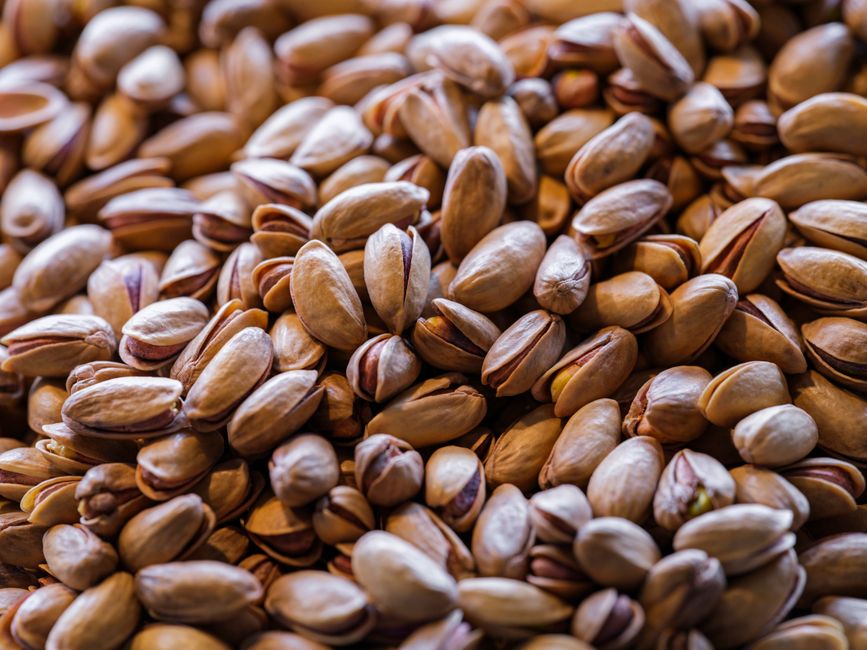
Pistachios are not fattening when eaten in reasonable amounts, and the research on nuts and weight actually points in the opposite direction. Studies consistently show that people who eat nuts regularly tend to weigh less than those who avoid them. Pistachios are calorie-dense, but they are also filling, nutrient-rich, and may not be fully absorbed by your body. The real question is not whether pistachios make you gain weight, but how many you eat and what you eat them instead of.
Are Pistachio Nuts Fattening?
No, pistachios are not fattening when consumed as part of a balanced diet. The evidence does not support the idea that eating pistachios leads to weight gain. Observational studies have found that nut consumption is associated with lower body weight and less belly fat over time. Clinical trials that add nuts to a diet without reducing other calories typically show little to no weight gain — far less than the calorie math would predict.
Part of the reason is that pistachios are not completely digested. The fat inside the nut is trapped within plant cell walls that your body cannot fully break down. Some research suggests that the body absorbs fewer calories from nuts than the label states. For pistachios specifically, studies estimate that the actual absorbed calories are lower than the listed amount, though the exact difference varies.
How Many Calories Are in Pistachios?
A standard serving of pistachios is one ounce, which is about 49 kernels. That serving contains roughly 160 calories. Most of those calories come from fat, but it is mostly monounsaturated and polyunsaturated fat — the types linked to better heart health.
The issue is portion size. Pistachios are small, and it is easy to eat several servings without noticing. A cup of shelled pistachios contains around 700 calories. If you sit down with a large bag and eat mindlessly, the calories add up quickly. But that is true of any calorie-dense food, including olive oil, cheese, and avocado.
The shells can actually help with portion control. Research has found that people eat fewer calories when they have to shell pistachios themselves compared to eating pre-shelled nuts. The extra time and effort slow you down, and the visual cue of the empty shells reminds you how much you have eaten.
What Does the Research Say About Nuts and Weight?
The evidence on nuts and weight is surprisingly consistent. A large body of observational research has found that people who eat nuts regularly have a lower risk of obesity over time. This does not prove that nuts cause weight loss, but it strongly suggests that nuts do not cause weight gain in typical eating patterns.
Clinical trials are more direct. When researchers ask people to add nuts to their diets without changing anything else, weight gain is usually minimal or absent. The expected weight gain based on the added calories rarely shows up. Some studies suggest this is because nuts are so filling that people naturally eat less at other meals. Other research points to incomplete absorption of calories from nuts.
There is also a metabolic effect. Some studies indicate that eating nuts may slightly increase the number of calories your body burns at rest, though the effect is modest. The combination of fullness, reduced absorption, and slight increases in metabolism helps explain why pistachios do not lead to the weight gain their calorie count would suggest.




Do Pistachios Help With Appetite Control?
Pistachios are one of the highest-protein nuts, and they are also high in fiber. Protein and fiber both slow digestion and increase feelings of fullness. A small handful of pistachios can take the edge off hunger in a way that a handful of pretzels or crackers cannot.
One reason pistachios may be especially good for appetite control is their combination of protein, fiber, and fat. This trio slows stomach emptying and keeps blood sugar steadier than refined carbohydrates. People who eat pistachios as a snack often report feeling satisfied with fewer total calories.
There is also evidence that the act of shelling pistachios changes eating behavior. A study found that people who ate in-shell pistachios consumed fewer calories than those who ate shelled nuts, even when both groups were told to eat until satisfied. The shells create a natural pause between bites, giving your brain time to register fullness.
Pistachio Nutrition Facts
Pistachios are not just empty calories. A one-ounce serving provides about 6 grams of protein, 3 grams of fiber, and a range of vitamins and minerals. They are particularly high in vitamin B6, thiamine, copper, and manganese. They also contain plant compounds called phytosterols, which are linked to lower cholesterol absorption.
Compared to other nuts, pistachios stand out in a few ways:
- Protein: Pistachios have more protein per serving than most other nuts.
- Fiber: They provide about 3 grams per ounce, similar to almonds and walnuts.
- Calories: At about 160 per ounce, they are on the lower end for nuts.
- Fat type: Mostly monounsaturated and polyunsaturated fats, with very little saturated fat.
Pistachios also contain more potassium than most nuts, which matters for blood pressure regulation. They are one of the few nuts that are a complete source of protein, meaning they contain all nine essential amino acids. This is unusual for a plant food.
How Many Pistachios Should You Eat Per Day?
There is no single recommended amount for everyone. The USDA defines one ounce, or about 49 kernels, as a serving. Many health organizations suggest a small handful of nuts per day as part of a healthy diet, which is roughly one ounce.
For weight management, portion control matters more than the exact number. A practical approach is to measure out one serving rather than eating directly from the bag. Pre-portioned snack packs can help. If you are eating pistachios as a snack, one ounce is a reasonable amount. If you are adding them to a meal, you might eat less.
No clinical guidelines specifically address pistachio intake for weight loss or weight maintenance. The general dietary advice is to replace less healthy snacks with nuts, not to add nuts on top of your current diet. Swapping a bag of chips for a serving of pistachios will likely reduce your calorie intake and improve nutrient quality. Adding pistachios to an already calorie-heavy diet without cutting anything else may lead to weight gain over time.
Are Roasted or Salted Pistachios Different?
Roasted and salted pistachios are not meaningfully different in calories. The roasting process does not add fat or calories. Salted pistachios add sodium, which matters if you have high blood pressure or are salt-sensitive. Dry-roasted and raw pistachios are nearly identical nutritionally.
The bigger concern is flavored pistachios. Honey-roasted, chili-lime, or other coated varieties often have added sugar or oil. These additions increase calories and can turn a healthy snack into something closer to candy. Check the ingredient list. If sugar, corn syrup, or added oils appear early in the list, the product is no longer a plain nut.
One note on salt: the sodium content of salted pistachios varies widely by brand. A single ounce can contain anywhere from a negligible amount to over 200 milligrams of sodium. If you are watching your blood pressure, unsalted or lightly salted versions are a safer choice.
Do Pistachios Fit Into a Weight Loss Diet?
Yes, pistachios can fit into a weight loss diet, but they are not a magic food. They are a calorie-dense food that happens to be nutritious and filling. The key is substituting them for less healthy snacks rather than adding them to your existing diet.
Research on nuts and weight loss diets found that including nuts does not hinder weight loss. In some studies, people who ate nuts while dieting lost more weight than those who avoided nuts entirely, though the differences were modest. The nuts seemed to help with adherence to the diet because they made it more satisfying.
Pistachios may be particularly helpful because of their protein and fiber content. These nutrients support satiety, which can make it easier to stick to a calorie deficit. But no food overrides the basic math of calories in versus calories out. If you eat pistachios in unlimited amounts, you will gain weight.
Frequently Asked Questions
Will eating pistachios every day make me gain weight?
No, eating a serving of pistachios daily is unlikely to cause weight gain if your overall calorie intake stays the same. The research on daily nut consumption does not show weight gain, and may even support weight maintenance.
How many pistachios can I eat in a day without gaining weight?
One ounce, or about 49 kernels, is a standard serving and a reasonable daily amount. Eating more than that is fine occasionally, but the calories add up quickly beyond a few servings.
Are pistachios good for weight loss?
Pistachios can support weight loss when they replace higher-calorie, less filling snacks. Their protein and fiber content helps control appetite, but they are still calorie-dense and should be eaten in measured portions.
Do you absorb all the calories in pistachios?
No, your body does not fully absorb the calories in pistachios. Some of the fat remains trapped in the nut’s plant cell walls, so the actual absorbed calories are lower than the label states.
