
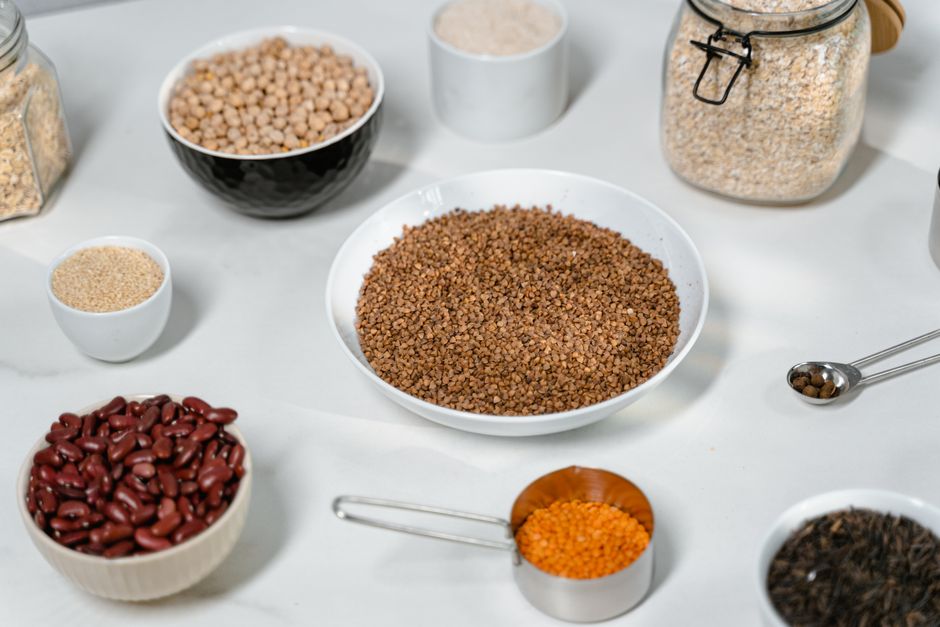
If you follow a gluten-free diet, you have probably asked yourself this question while standing in the grocery store aisle. Yes, lentil beans are naturally gluten free. They are a legume, not a grain, and they do not contain the proteins found in wheat, barley, or rye that trigger celiac disease. However, the real answer involves more than just the lentil itself. Cross-contamination during growing, processing, or packaging can introduce gluten, so you need to know what to look for on the label.
What Are Lentil Beans Exactly?
Lentils are edible seeds from the legume family. They grow in pods, much like beans and peas. Common varieties include brown, green, red, and black lentils, sometimes called beluga lentils.
Because they are naturally free of gluten-containing grains, they are safe for most people with celiac disease or non-celiac gluten sensitivity. The concern is rarely the lentil itself. It is what happens to the lentil before it reaches your kitchen.
Are Lentil Beans Gluten Free by Nature?
Yes. Lentils contain no gluten proteins. Gluten refers specifically to storage proteins found in wheat, barley, rye, and their crossbreeds. Lentils come from a completely different plant family.
This means a plain, unprocessed lentil is safe on a gluten-free diet. The problem is that most lentils are not sold directly from the farm. They pass through facilities that may also process wheat, barley, or rye.
Where Does Gluten Contamination Happen?
Cross-contamination can occur at several points. Farmers often rotate crops, growing wheat and lentils in the same fields in different years. The harvesting equipment may be shared between crops. Some residue from a previous wheat harvest can remain in the machinery.
Processing facilities present another risk. Lentils are cleaned, sorted, and packaged in plants that may handle multiple grains. Airborne dust from wheat can settle on lentils. Shared conveyor belts and storage bins can leave traces behind.
This is not a theoretical concern. Research has detected gluten in some packaged lentils. Studies testing gluten-free labeled products have found contamination in a small percentage of samples. The exact numbers vary by study, but the risk is real enough that major celiac organizations recommend buying lentils specifically labeled gluten free.




How to Choose Safe Lentils
Your safest option is to buy lentils that carry a gluten-free certification label. This label means the manufacturer tests the product and confirms it contains less than 20 parts per million of gluten, the legal threshold for gluten-free labeling in the United States.
Several major brands offer certified gluten-free lentils. Look for the certification seal from organizations like the Gluten-Free Certification Organization or the Celiac Support Association.
If you cannot find certified lentils, you have another option. You can buy regular dried lentils and sort and rinse them thoroughly. This removes visible debris and some surface contamination, but it does not guarantee the lentils are gluten free. Washing reduces contamination but does not eliminate it completely.
Canned lentils are also an option. Many canned varieties are processed in dedicated facilities. Check the label for a gluten-free statement. If the label does not say gluten free, contact the manufacturer to ask about their processing practices.
Do Lentils Contain Other Problematic Compounds?
Lentils contain lectins and phytic acid. These are naturally occurring compounds that can interfere with nutrient absorption. Some people worry these compounds cause digestive issues similar to gluten exposure.
Lectins are proteins that bind to carbohydrates. In large amounts, they can cause digestive upset. However, cooking destroys most lectins. Boiling lentils at a rolling boil for at least 10 minutes neutralizes the majority of these compounds.
Phytic acid binds to minerals like iron and zinc, reducing their absorption. This matters less if you eat a varied diet. Soaking lentils before cooking can reduce phytic acid content. Fermenting them, as in some traditional dishes, also helps.
Neither lectins nor phytic acid are related to gluten. They cause different symptoms in different people. If you have celiac disease, these compounds are not your concern. If you have irritable bowel syndrome, you may react to lentils for other reasons.
Are Lentils Safe for People with Celiac Disease?
For people with celiac disease, the answer is yes with conditions. Lentils themselves are safe. The contamination risk is the issue.
Celiac disease is an autoimmune condition. Even tiny amounts of gluten trigger an immune response that damages the small intestine. The threshold for safety is extremely low. Most experts agree that consistent intake of less than 10 milligrams of gluten per day is unlikely to cause intestinal damage, but individual sensitivity varies.
For this reason, people with celiac disease should choose certified gluten-free lentils whenever possible. This is not about being overly cautious. It is about protecting the intestinal lining from damage that can lead to nutrient deficiencies and long-term complications.
People with non-celiac gluten sensitivity may have more flexibility. Their symptoms are real but do not involve the same autoimmune intestinal damage. Still, gluten exposure can cause bloating, brain fog, and fatigue in sensitive individuals. Choosing certified products remains the best approach.
How to Prepare Lentils Safely at Home
Even certified gluten-free lentils can pick up gluten in your kitchen. If your household is not fully gluten free, you need to prevent cross-contamination during cooking.
Use dedicated gluten-free cooking tools or wash everything thoroughly before use. Colanders, pots, and stirring spoons can carry gluten residue. A wooden spoon that has stirred wheat pasta can transfer gluten to your lentils.
Store your lentils in sealed containers away from flour and other gluten-containing products. Wheat flour dust can settle on open packages. Keep your gluten-free items on higher shelves to prevent falling crumbs from contaminating them.
Do not cook lentils in water that has been used to cook pasta or other gluten-containing foods. Always start with fresh, clean water.
Nutritional Benefits of Lentils on a Gluten-Free Diet
Lentils are one of the most nutrient-dense foods available. This makes them especially valuable for people on gluten-free diets, which can sometimes lack fiber and certain B vitamins.
A single cup of cooked lentils provides roughly 18 grams of protein and 15 grams of fiber. They are rich in iron, folate, magnesium, and potassium. This nutritional profile supports heart health, blood sugar control, and digestive regularity.
Fiber is particularly important for people with celiac disease. The condition can damage the intestinal lining and affect nutrient absorption. A high-fiber diet supports gut health and helps maintain regular bowel movements.
Lentils are also inexpensive and versatile. They work in soups, salads, curries, and side dishes. Red lentils cook quickly and break down into a creamy texture. Brown and green lentils hold their shape better and work well in salads and stews.
Are Lentil Pasta and Lentil Flour Gluten Free?
Lentil pasta is made from lentil flour and is naturally gluten free. However, you must check the label. Some manufacturers add wheat flour to improve texture or reduce costs.
Lentil flour is also gluten free when pure. Again, check the label for cross-contamination warnings. Some facilities process lentil flour on the same equipment as wheat flour.
These products are popular in gluten-free diets because they offer more protein and fiber than traditional rice or corn pasta. They also have a lower glycemic index, meaning they cause a slower rise in blood sugar.
One note about lentil pasta: it has a different texture than wheat pasta. It can become mushy if overcooked. Follow the package instructions and test it frequently while cooking to achieve the right consistency.
Frequently Asked Questions
Are dried lentils gluten free?
Yes, dried lentils are naturally gluten free. However, they may be contaminated with gluten during processing, so choose brands labeled gluten free if you have celiac disease.
Can I eat lentils if I have celiac disease?
Yes, you can eat lentils if they are certified gluten free. Uncertified lentils carry a risk of cross-contamination with wheat, barley, or rye.
Do lentils cause inflammation like gluten does?
No, lentils do not cause the same autoimmune inflammation that gluten triggers in people with celiac disease. Some people with digestive sensitivities may experience gas or bloating from the fiber content.
Is lentil pasta safe for a gluten-free diet?
Lentil pasta is safe only if the label states it is gluten free. Some brands mix lentil flour with wheat flour, so always verify the ingredient list.
