
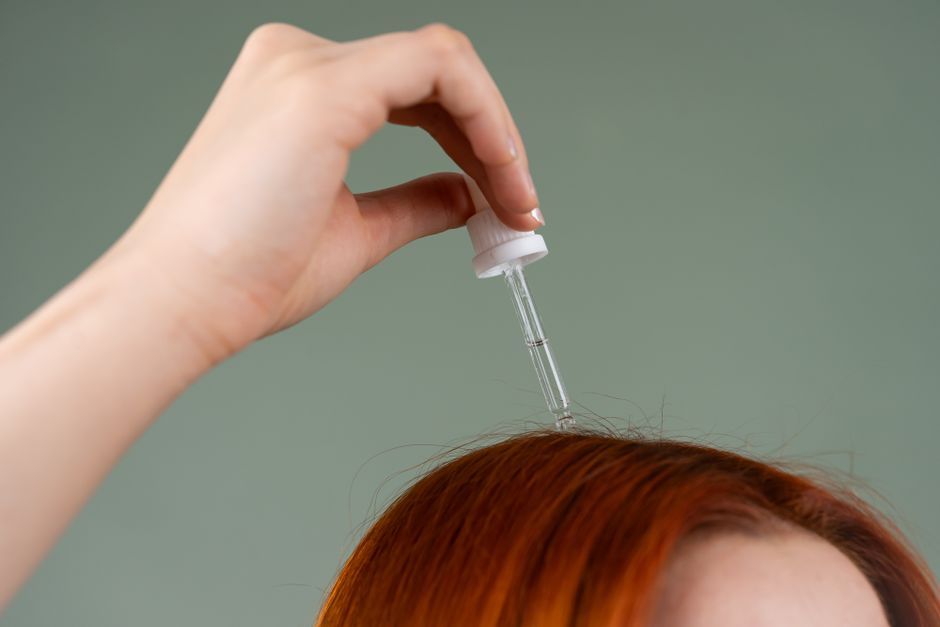
Hair loss is a common concern that affects millions of people, and it is rarely caused by a single factor. The most frequent causes include genetics, hormonal changes, medical conditions, medications, stress, and nutritional deficiencies. Understanding which cause applies to you matters because treatment options differ completely depending on the underlying reason. This guide explains the main causes of hair loss, how each one works, and what the evidence shows about reversing it.
What Makes You Lose Hair Common Causes Explained
Hair loss happens when something disrupts the natural hair growth cycle. Normally, hair grows for 2 to 7 years, rests, and then falls out. About 50 to 100 hairs fall out daily as part of this cycle. When more hair falls out than grows back, or when hair stops growing altogether, thinning becomes visible.
The most common cause by far is hereditary hair loss, often called male or female pattern baldness. This affects roughly 50 million men and 30 million women in the United States. Other frequent causes include stress-related shedding, hormonal shifts from pregnancy or thyroid conditions, certain medications, and scalp conditions.
Identifying the cause early improves your chances of successful treatment. Some forms of hair loss reverse on their own. Others require ongoing management rather than a permanent cure.
Is Hereditary Hair Loss the Most Common Cause?
Yes. Androgenetic alopecia, the medical name for pattern baldness, accounts for the vast majority of hair loss cases. It affects both men and women, though the pattern differs.
In men, hair typically recedes at the temples and thins at the crown. In women, hair thins diffusely across the top of the scalp while the front hairline usually stays intact. Women rarely go completely bald, but they can experience significant thinning.
This condition is driven by genetics and hormones. A byproduct of testosterone called dihydrotestosterone (DHT) binds to hair follicles and shrinks them over time. Eventually the follicles produce thinner, shorter hairs until they stop producing hair entirely.
Treatment options include minoxidil (Rogaine) and finasteride (Propecia) for men. Women can use minoxidil, but finasteride is not approved for women of childbearing age due to risks during pregnancy. These treatments slow progression but do not cure the condition. You must continue using them to maintain results.
Can Stress Actually Make Your Hair Fall Out?
Yes, and it is more common than most people realize. Three distinct stress-related hair loss conditions exist, and they differ in timing and pattern.
Telogen effluvium is the most common. Severe stress pushes large numbers of hair follicles into the resting phase prematurely. About 2 to 3 months after a stressful event, you may notice clumps of hair coming out when you shower or brush. Surgery, illness, rapid weight loss, or intense emotional distress can trigger it. This condition is usually temporary and hair regrows within 6 to 12 months once the stress resolves.
Alopecia areata is an autoimmune condition where the immune system attacks hair follicles. It causes round patches of hair loss and can be triggered by stress, though genetics play a major role. Hair often regrows on its own, but some people experience recurring episodes.
Trichotillomania is a psychological condition where people pull out their own hair as a response to stress or anxiety. This requires mental health treatment rather than hair-specific therapies.
If you notice sudden shedding weeks after a stressful event, telogen effluvium is the likely culprit. The key is that this type of loss is reversible once the trigger resolves.





What Medical Conditions Cause Hair Loss?
Several underlying health conditions can present with hair loss as a primary symptom. Treating the condition often restores hair growth.
Thyroid disorders are a common cause. Both hypothyroidism and hyperthyroidism can disrupt hair growth because thyroid hormones regulate follicle activity. Blood tests measuring TSH levels can identify this issue. Once thyroid levels normalize with medication, hair usually regrows within months.
Iron deficiency anemia is another frequent cause, especially in women with heavy menstrual bleeding. Iron is required for hair follicle function. A simple blood test measuring ferritin stores can confirm this deficiency. Supplementation under medical supervision typically improves hair density.
Polycystic ovary syndrome (PCOS) causes hormonal imbalances that can lead to thinning hair on the scalp alongside excess facial or body hair. This occurs because PCOS often involves elevated androgen levels. Management focuses on hormonal treatment rather than topical hair products.
Autoimmune diseases beyond alopecia areata can also cause hair loss. Lupus and lichen planopilaris are examples. These conditions cause inflammation that damages follicles and can lead to permanent scarring if untreated.
If your hair loss came on suddenly or accompanies other symptoms like fatigue, weight changes, or skin issues, see a doctor for blood work. Hair loss can be an early warning sign of a treatable medical condition.
Do Hormonal Changes Affect Hair Beyond Genetics?
Yes, dramatic hormonal shifts can cause temporary or permanent hair changes.
Pregnancy and childbirth commonly affect hair. During pregnancy, high estrogen levels keep hair in the growth phase longer, resulting in thicker, fuller hair. After delivery, estrogen drops sharply. Many women experience significant shedding about 3 to 4 months postpartum. This is a form of telogen effluvium and typically resolves within a year.
Menopause brings declining estrogen and progesterone levels. Many women notice thinning hair during this transition. The pattern often resembles female pattern hair loss because lower estrogen exposes hair follicles to the effects of androgens.
Stopping birth control pills can also trigger shedding. The sudden drop in synthetic hormones mimics the postpartum effect. Hair usually stabilizes within several months.
These hormonal events are distinct from hereditary hair loss, though they can overlap. A woman with a genetic predisposition may notice permanent thinning after menopause, while a woman without that predisposition may experience only temporary shedding.
Which Medications and Treatments Cause Hair Shedding?
Certain medications list hair loss as a known side effect. The mechanism varies by drug, but most cause telogen effluvium by disrupting the hair cycle.
Common culprits include:
- Chemotherapy drugs — cause rapid shedding by attacking rapidly dividing cells, including hair follicles. This is usually temporary and hair regrows after treatment ends.
- Blood thinners — such as warfarin and heparin.
- Antidepressants — particularly some SSRIs and bupropion.
- Beta-blockers and ACE inhibitors — used for blood pressure.
- Retinoids — used for acne, especially isotretinoin at high doses.
- Hormonal medications — including some forms of birth control and anabolic steroids.
- Gout medications — such as allopurinol.
If you suspect a medication is causing hair loss, do not stop taking it without consulting your doctor. Your physician can weigh the benefits against the side effects and may suggest an alternative. In most cases, hair regrows once the medication is discontinued or the dose is adjusted.
Radiation therapy to the head also causes hair loss in the treated area. This can be permanent if the radiation dose is high enough to damage follicles permanently.
Can Nutritional Deficiencies Make You Lose Hair?
Yes, but the evidence is stronger for some deficiencies than others. Severe deficiencies clearly cause hair loss. The role of marginal deficiencies is less certain.
Iron deficiency has the strongest evidence link to hair loss, particularly in women. Research consistently shows lower ferritin levels in women with hair loss compared to those with normal hair density. Doctors often investigate iron status when evaluating unexplained shedding.
Vitamin D deficiency has been associated with several types of hair loss, including alopecia areata. Some studies suggest low vitamin D levels may play a role, though supplementation studies have not consistently confirmed that correcting the deficiency regrows hair.
Zinc deficiency can cause hair loss, but true zinc deficiency is uncommon in developed countries. Routine zinc supplementation for hair loss without confirmed deficiency is not supported by evidence.
Biotin is heavily marketed for hair growth, but the evidence is weak. Biotin deficiency severe enough to cause hair loss is extremely rare and mostly seen in people with genetic disorders or those consuming raw egg whites excessively. Taking biotin supplements will not help hair loss in people with normal biotin levels.
Protein deficiency can cause hair to enter the resting phase and shed excessively. This is seen in people on very restrictive diets or with malabsorption conditions. Adequate dietary protein is necessary for hair structure, but extra protein beyond normal needs does not promote extra growth.
Crash diets and rapid weight loss frequently trigger hair shedding regardless of specific nutrient intake. The physical stress of rapid weight change disrupts the hair cycle. Gradual weight loss of 1 to 2 pounds per week is less likely to affect hair.
What Scalp Conditions Cause Hair Loss?
Conditions affecting the scalp itself can damage hair follicles and cause hair loss.
Tinea capitis, a fungal infection of the scalp, causes patchy hair loss with scaling and itching. It is contagious and requires antifungal treatment. It most commonly affects children but can occur in adults.
Seborrheic dermatitis causes dandruff and an inflamed, oily scalp. While it causes itching and flaking, it does not typically cause significant hair loss unless severe inflammation persists. Treating the underlying dermatitis usually stops any associated shedding.
Psoriasis on the scalp can cause thick, silvery scales. Hair loss can occur from scratching or from the inflammation itself. Treating the psoriasis usually allows hair to regrow.
Scarring alopecias such as lichen planopilaris and frontal fibrosing alopecia cause permanent damage to follicles. Inflammation destroys the follicle, and hair cannot regrow. These conditions require prompt dermatological treatment to prevent further permanent loss.
If you notice redness, scaling, pain, or itching along with hair loss, see a dermatologist. Treating the scalp condition early can prevent permanent follicle damage.
When Should You See a Doctor About Hair Loss?
Some hair loss warrants prompt medical evaluation. Sudden, patchy hair loss can indicate alopecia areata or a fungal infection. Rapid, diffuse shedding over weeks may signal a medical condition or medication reaction. Hair loss accompanied by itching, burning, or redness on the scalp needs professional assessment.
Gradual thinning over years is less urgent but still worth evaluating, especially if it bothers you. Early treatment for hereditary hair loss produces better outcomes than waiting until significant thinning occurs.
A dermatologist can perform a scalp examination, pull test, and blood work to identify the cause. In some cases, a scalp biopsy provides a definitive diagnosis. Do not self-diagnose based on internet photos or product marketing claims.
Frequently Asked Questions
Can hair loss from stress grow back?
Yes, stress-related hair loss usually grows back within 6 to 12 months once the stress resolves. Telogen effluvium is temporary and does not cause permanent follicle damage.
What vitamin deficiency causes hair loss?
Iron deficiency has the strongest evidence linking it to hair loss, particularly in women. Vitamin D and zinc deficiencies have also been associated with hair loss, though the evidence for supplementation benefits is less consistent.
Does biotin really help hair grow?
Biotin only helps hair growth if you have a true biotin deficiency, which is extremely rare. Most people with normal biotin levels will not see any benefit from supplements.
How long does postpartum hair loss last?
Postpartum shedding typically begins about 3 to 4 months after childbirth and resolves within 6 to 12 months. The hair cycle returns to normal once hormone levels stabilize.
