
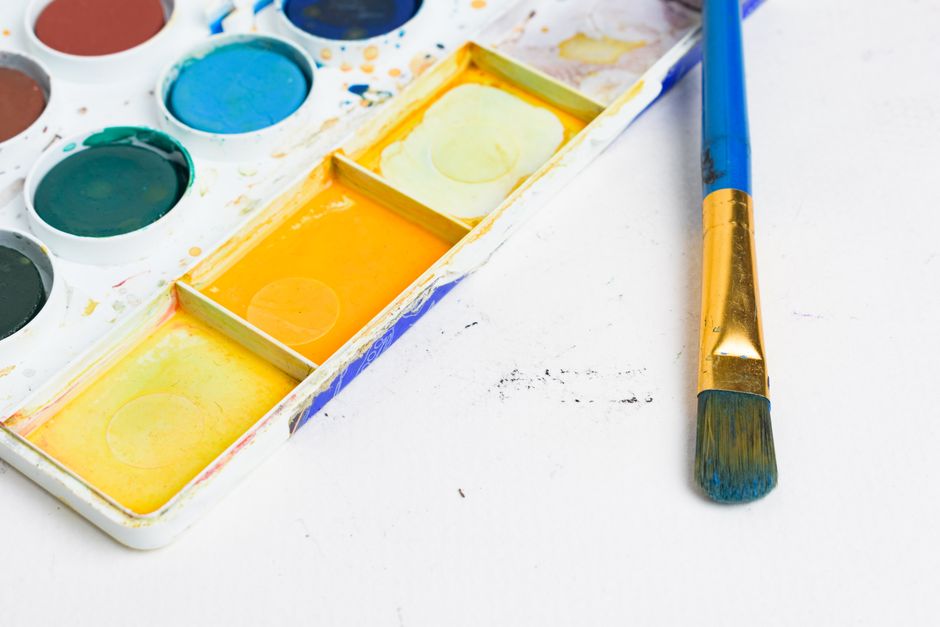
Crayola paints are not designed for skin contact. While they are generally considered non-toxic, that label does not mean they are safe for your skin. The honest answer is that you should avoid using Crayola paint on skin, especially for extended periods or on sensitive areas like the face.
Is Crayola Paint Safe For Skin Risks Explained
The confusion is understandable. Crayola products are marked non-toxic, which sounds reassuring. That label means the product has passed specific testing for acute toxicity, primarily focused on accidental ingestion. It tells you the paint won’t poison you if a child swallows a small amount. It does not mean the paint is approved for skin application.
Skin contact is different from ingestion. The skin is an active organ. It can absorb certain chemicals, and it can react to substances that touch it. The ingredients that are safe to swallow in tiny amounts may still cause irritation, redness, or allergic reactions when applied to the skin.
Crayola explicitly states their paints are not intended for use on skin or as body paint. This is a clear manufacturer warning. When a company that makes art supplies tells you their product is not for skin, you should take that literally. They have not formulated the product for that purpose, and they have not tested it for that use.
What Does the Non-Toxic Label Actually Mean?
The non-toxic label comes from the Art and Creative Materials Institute (ACMI). This organization evaluates art materials for potential health hazards. The AP (Approved Product) seal means the product contains no materials in sufficient quantities to be toxic or injurious to humans, including children, or to cause acute or chronic health problems.
This certification is rigorous but specific. It focuses on the risks of breathing in dust, swallowing the product, or absorbing it through normal handling during art projects. Normal handling means getting a little on your fingers while painting a picture. It does not mean painting your arm or face.
Think of it like dish soap. Dish soap is safe to use on plates and safe to get on your hands briefly. You would not use it as a body wash or leave it on your skin for hours. The same logic applies to paint. The testing standards are designed for one type of exposure, not for cosmetic use.
What Happens When Paint Sits on Skin?
When you apply paint to skin, you create a situation the manufacturer never intended. The paint forms a film that traps moisture and chemicals against the skin. This can cause several reactions.
The most common reaction is contact dermatitis. This is a red, itchy, or burning rash where the paint touched the skin. It happens because the skin is sensitive to one or more of the ingredients in the paint. The pigments, binders, or preservatives can all trigger this response. It is not an allergic reaction in the classic sense. It is an irritation response, and it can happen to anyone, even with gentle products.
A less common but more serious issue is a true allergic reaction. Some pigments, particularly certain reds and yellows, contain metals that can sensitize the skin over time. The first exposure might cause no reaction. The second or third time you use it, the skin may erupt in a severe rash. This is called allergic contact dermatitis, and once you develop this sensitivity, it can be permanent.
There is also the risk of staining. The pigments in paint are designed to stick to surfaces. They can stain skin for days. While this is not a health risk, it is a practical problem, especially for children who may get paint on their clothes, furniture, or carpets.




Are Some Crayola Paints Worse Than Others?
Yes, the risk varies by product type. Crayola makes many different kinds of paint, and they are not all the same.
Washable paints are the safest option for brief, accidental contact. They are formulated to come off surfaces with soap and water. This means they are less likely to cause irritation because they do not contain the strong binders that make permanent paints stick. Still, they are not made for skin application. A quick wipe-off is fine. Leaving them on for hours is not.
Finger paints are designed to be handled by children. They are thicker and often have a smoother texture. They are tested for more frequent skin contact than regular paints. Even so, they are not body paints. The testing assumes a child will get some on their hands and maybe wipe it on their shirt. It does not assume the paint will stay on the skin for an extended period.
Acrylic paints are the most concerning. These are permanent paints that dry to a plastic-like finish. They are not washable. They contain stronger binders and sometimes additional chemicals to help them adhere to surfaces. If you put acrylic paint on your skin, it will dry and form a tight film. Removing it often requires scrubbing, which can damage the skin barrier. The chemicals in acrylics are more likely to cause irritation than those in washable paints.
What Should You Do If Paint Gets on Your Skin?
Accidental contact is not an emergency. If you or your child gets paint on the hands or arms during art time, wash it off with soap and warm water. This is usually enough to remove the paint and prevent irritation.
For washable paints, a simple wash works well. For acrylics or other permanent paints, you may need to use a little more effort. Soap and water might not be enough. You can try using a mild oil, like baby oil or olive oil, to help break down the paint before washing. Avoid harsh scrubbing, which can damage the skin.
If the paint has been on the skin for a while and a rash develops, wash the area gently and stop using that product. Apply a gentle moisturizer to soothe the skin. Over-the-counter hydrocortisone cream can help with itching if the rash is mild. If the rash is severe, blisters, or spreads beyond the area where the paint touched, see a doctor.
For paint on the face, be extra careful. The skin on the face is thinner and more sensitive than the skin on the hands or arms. Wash facial paint off immediately. Keep it away from the eyes, mouth, and nose. If paint gets in the eyes, rinse with lukewarm water for 15 minutes and contact a doctor if irritation persists.
What Is the Right Paint for Skin?
If you need paint for skin, use a product that is actually made for that purpose. Body paints and face paints exist. They are formulated differently from art paints. They use cosmetic-grade pigments that are less likely to cause irritation. They are also designed to be removed easily and to be safe for use on sensitive skin.
Look for products labeled as body paint or face paint. These are regulated differently from art supplies. They fall under cosmetic regulations, which have different safety standards. Even with these products, it is wise to do a patch test first. Apply a small amount to the inside of the wrist and wait 30 minutes to see if any redness or itching develops.
Professional face paints are available from theatrical supply companies and some craft stores. They come in the form of cream-based paints or water-activated cakes. These are designed for prolonged skin contact and are generally safe for most people. Still, no product is safe for everyone. Skin sensitivities vary from person to person.
What About Crayola Washable Finger Paint on Toddlers?
Parents often let toddlers use finger paint, knowing the child will get covered in it. This is a common and mostly harmless situation. Crayola finger paints are tested for safety and are considered non-toxic. A toddler getting paint on their hands, arms, and even face during a supervised art activity is not a medical emergency.
The key is supervision and cleanup. Do not let the child sit in paint for a long time. When the activity is over, wash the child thoroughly. Pay attention to skin folds, like the elbows and knees, where paint can hide. Check for any signs of rash or irritation after washing. If the skin looks red or the child complains of itching, wash the area again and monitor it.
If a toddler eats a significant amount of finger paint, call poison control. The number is 1-800-222-1222 in the United States. They can give you specific advice based on the product and the amount swallowed. For small tastes or licks, a drink of water and a snack is usually enough. Do not induce vomiting unless poison control tells you to.
How to Safely Enjoy Art With Kids
You do not need to avoid paint entirely. You just need to manage the risks. Set up art activities so that paint stays on paper, not on skin.
Use aprons or old clothes that cover the arms. Cover the table with newspaper or a plastic tablecloth. Have wet paper towels or wipes ready for quick cleanup. Teach older children to wash their hands after painting. For younger children, be prepared to wash their hands for them.
If your child has sensitive skin or a history of eczema, be more cautious. Consider using gloves for messy paint projects. Or choose alternative materials like crayons, colored pencils, or markers, which are less likely to cause skin issues. Markers are also not designed for skin, but they are less likely to cause irritation because they dry quickly and do not sit on the skin the way paint does.
Frequently Asked Questions
Is Crayola paint toxic if swallowed?
No, Crayola paint is non-toxic and safe if a small amount is accidentally swallowed. It is certified by the Art and Creative Materials Institute for this purpose.
Can Crayola paint cause a skin rash?
Yes, it can cause contact dermatitis in some people, especially if left on the skin for a long time. The paint is not formulated for skin use and can irritate sensitive skin.
Is it safe to use Crayola paint as face paint for Halloween?
No, you should not use Crayola paint on your face. It is not tested or approved for skin application, and the face is more sensitive than other skin areas.
What should I do if my child gets Crayola paint in their eyes?
Rinse the eye with lukewarm water for 15 minutes and contact a doctor if irritation persists. This is a standard first aid response for any foreign substance in the eye.
