
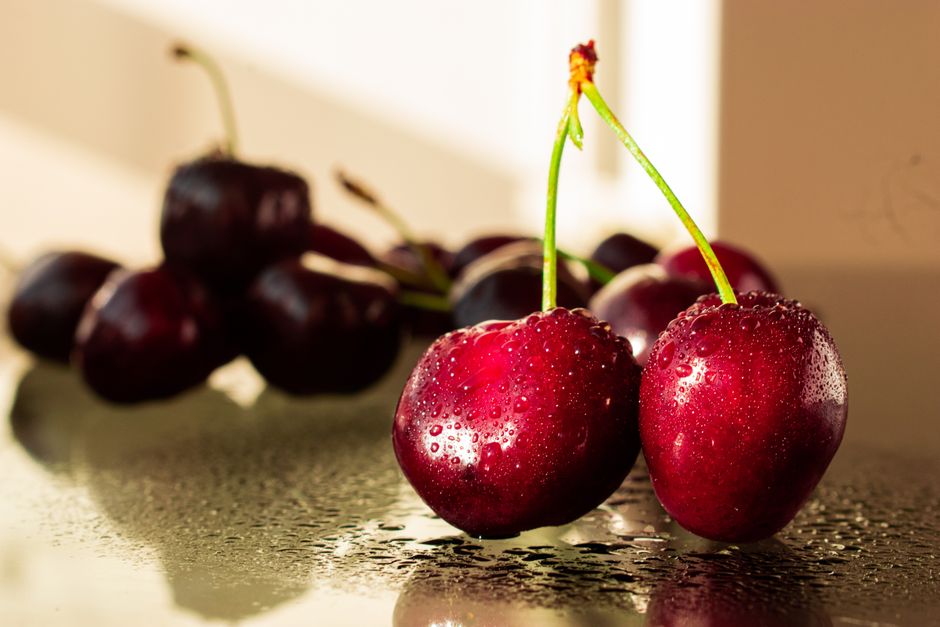
Cherries contain fiber, polyphenols, and natural sugars that feed gut bacteria, and some research suggests they can influence the mix of microbes in the digestive tract. But the evidence in humans is still fairly early. Most of what we know comes from lab studies and small trials, not large ones. So cherries are a reasonable, genuinely useful fruit for gut health — just not a proven remedy for digestive problems.
What nutrients in cherries matter for gut health?
Cherries are mostly water and carbohydrate, with modest amounts of fiber and a notable concentration of plant compounds called polyphenols. Those polyphenols are the main reason researchers are interested in cherries and digestion.
The fiber content is real but not large. A cup of sweet cherries provides roughly 3 grams of fiber, depending on the variety and how ripe they are. That is a useful contribution but well below what a bowl of beans or a serving of oats would give you. Tart cherries, often sold dried or as juice, can differ in fiber because processing removes or concentrates different parts of the fruit.
The polyphenols include anthocyanins — the pigments that give cherries their red and purple color — along with other flavonoid compounds. These are the same broad class of molecules found in berries, grapes, and red cabbage. In the gut, most of these compounds are not absorbed in the small intestine. They travel to the colon, where bacteria break them down into smaller molecules that can be absorbed and may have biological effects.
That last point is worth pausing on. The gut bacteria are not just bystanders here. They actively convert cherry polyphenols into other compounds, which means the effect of eating cherries partly depends on which bacteria you already have. This is one reason responses to polyphenol-rich foods vary so much between people.
Are cherries good for gut health?
Cherries are a good addition to a gut-friendly diet, but the direct human evidence for specific digestive benefits is limited. It would be inaccurate to describe them as proven to improve gut health.
Here is what the research actually shows. Laboratory studies have found that cherry polyphenols can influence the growth of certain gut bacteria and can act as prebiotics — meaning they feed beneficial microbes. Some human studies, mostly small and short, have looked at cherry juice or cherry powder and found changes in markers of inflammation or in the composition of gut bacteria. These findings are interesting but not strong enough to make confident claims.
What is well established is broader: diets high in plant foods, including fruit, support a more diverse gut microbiome, and fiber feeds the bacteria that produce short-chain fatty acids like butyrate. Butyrate is a major energy source for the cells lining the colon and is involved in maintaining the gut barrier. Cherries contribute to that picture as part of an overall diet, not as a standalone fix.
There is also a practical caution. Cherries contain fermentable carbohydrates, and some people — particularly those with irritable bowel syndrome — find that larger amounts trigger bloating or gas. That is not a sign cherries are bad for the gut. It reflects how certain sugars and fibers ferment in the colon, which happens with many fruits.
How do cherries affect the gut microbiome?
Cherry polyphenols reach the colon largely intact and become food for gut bacteria. The bacteria that break them down tend to be ones associated with beneficial metabolic activity, though the research on this is still developing.
In studies using lab models and some small human trials, cherry intake has been linked to shifts in the relative abundance of certain bacterial groups. Some of these shifts look favorable — for example, increases in bacteria that produce short-chain fatty acids. But the studies are small, the durations are short, and the results have not been consistently replicated in large trials.
The honest summary is this: cherries probably do influence the gut microbiome, the mechanism is plausible and partly demonstrated, but we do not yet know whether those changes translate into meaningful health outcomes for most people. Anyone claiming cherries “reset” or “detoxify” the gut is going beyond what the evidence supports.
One clarification that gets lost in marketing: a food changing your microbiome is not automatically a good thing. The microbiome shifts constantly with diet, and “more of a certain bacteria” only matters if that change has been shown to help health. For cherries, that final link has not been firmly established in humans.





Sweet vs tart cherries: does the type matter?
Both sweet and tart cherries contain polyphenols and fiber, but they differ in sugar content and processing, which affects how they reach your gut. Sweet cherries are eaten fresh and are higher in natural sugar. Tart cherries are more often consumed as juice, concentrate, dried fruit, or powder.
Processing matters for gut effects. Juice removes most of the fiber, so it delivers polyphenols without the fiber that whole fruit provides. Dried cherries concentrate sugar and calories and can be easy to overeat. Powdered supplements vary widely in what they actually contain, and supplement products are not held to the same standards as foods.
If your goal is gut health specifically, whole fruit is the more sensible choice because you get fiber and polyphenols together. That said, no head-to-head human trials have clearly established that one type of cherry is better than the other for the gut. The difference in evidence is not strong enough to make a firm recommendation.
How should cherries fit into a gut-friendly diet?
Cherries work best as one fruit among many, not as a daily supplement you rely on. Variety across plant foods does more for the gut than any single fruit.
Practical ways to include them:
- Eat fresh sweet cherries as a snack or on top of yogurt or oatmeal.
- Add tart dried cherries to salads or grain bowls — watch the portion, since they are concentrated.
- Use cherry juice sparingly and treat it as a sugar-containing drink, not a health tonic.
- Pair cherries with other fiber sources like beans, whole grains, and vegetables.
If you have irritable bowel syndrome or a sensitive gut, start with small amounts and see how you respond. Individual tolerance to fermentable fruit sugars varies a lot, and there is no universal rule.
Keep expectations realistic. A single food does not transform gut health. The strongest evidence for a healthy gut points to eating a wide range of plant foods, getting enough fiber overall, staying physically active, and limiting heavily processed foods. Cherries can be part of that pattern — they are not the key to it.
Frequently Asked Questions
Are cherries good for gut health?
Cherries provide fiber and polyphenols that feed gut bacteria, so they are a reasonable fruit for gut health. The direct human evidence for specific digestive benefits is still limited and does not support strong claims.
Do cherries act as a prebiotic?
Some research suggests cherry polyphenols can feed beneficial gut bacteria, which is a prebiotic-type effect. The evidence comes mostly from lab studies and small trials rather than large human studies.
Can cherries cause bloating or gas?
Yes, cherries contain fermentable carbohydrates that some people, especially those with irritable bowel syndrome, find trigger bloating or gas. This is common with many fruits and depends on individual tolerance.
Is cherry juice as good for the gut as whole cherries?
Whole cherries are the better choice because juice removes most of the fiber. No human trials have clearly shown cherry juice delivers the same gut benefits as the whole fruit.
