
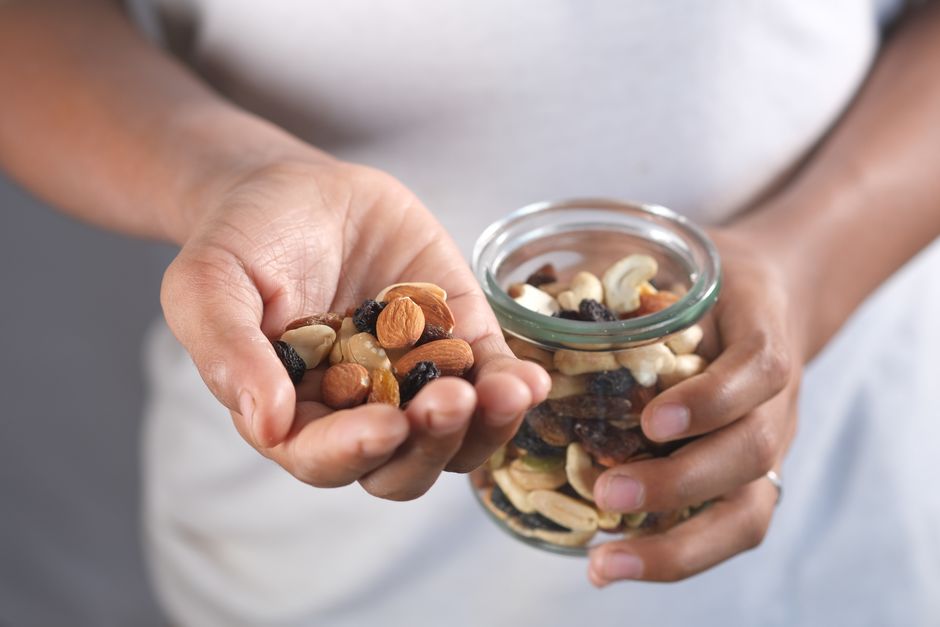
Yes, cashews and poison ivy are related. Both belong to a plant family called Anacardiaceae, often called the cashew family or the sumac family. That family also includes mangoes, pistachios, and poison oak. The relationship is real, but it does not mean eating cashews gives you a poison ivy rash. The two plants share a family tree, not a symptom.
Are Cashews Related To Poison Ivy?
They are botanical relatives. Cashews grow on a tropical tree called Anacardium occidentale, and poison ivy is a vine or shrub in the genus Toxicodendron. Both sit inside the Anacardiaceae family, which contains more than 70 genera and several hundred species. So the connection is genuine and rooted in plant classification, not folklore.
Family ties in plants do not automatically mean shared chemistry. Many plants in the same family produce very different compounds. What matters for humans is whether the specific plant makes a substance that affects the skin or body.
Poison ivy produces urushiol, an oily resin that triggers an allergic skin reaction in most people who touch it. Cashews do not produce urushiol in their edible nut. That single fact explains why the two plants are related but behave so differently.
Why Do People Think Cashews and Poison Ivy Are Connected?
The confusion usually comes from three places. The first is the family name itself. When people learn cashews belong to the same family as poison ivy, it sounds alarming. Family membership is a classification tool, not a warning label.
The second source is the cashew shell. Raw cashew shells contain a compound called anacardic acid, which is chemically similar to urushiol. Contact with the shell liquid can cause skin irritation, sometimes resembling a poison ivy rash. This is a real effect, but it involves the shell, not the nut people eat.
The third source is mangoes. Mango skin contains small amounts of urushiol-related compounds, and some people develop a rash around the mouth after eating mango with the peel on. Because mangoes and cashews are in the same family, people sometimes assume cashews carry the same risk. The nut itself does not.
One detail worth knowing: the cashew “nut” is actually a seed. It grows at the bottom of a fleshy, pear-shaped fruit called the cashew apple. The seed sits inside a hard shell filled with irritating oil. Getting to the edible part takes roasting or steaming that destroys the irritating compounds.
Can Cashews Cause a Poison Ivy-Like Rash?
Eating roasted cashews does not cause a poison ivy rash. The roasting process breaks down the irritating compounds in the shell. The nut that reaches your grocery store is not coated in urushiol.
Handling raw cashew shells is a different story. Workers who process cashews can develop contact dermatitis from the shell oil. This is a documented occupational skin problem in cashew processing. The reaction can look like poison ivy dermatitis because the triggering compounds are chemically related.
For the average person buying roasted, salted cashews, this risk does not apply. If you have never handled raw cashew shells, you have almost certainly never been exposed to the irritating oil.
There is one separate issue: cashew allergy. Some people are genuinely allergic to cashew protein. That is a food allergy, not a poison ivy reaction, and it can be serious. Cashew allergy symptoms can include hives, swelling, trouble breathing, and in severe cases anaphylaxis. This is different from a urushiol rash and requires medical attention.



What Is Urushiol and Why Does It Matter?
Urushiol is the oil that makes poison ivy, poison oak, and poison sumac so uncomfortable. It is not a plant “poison” in the usual sense. It is an allergen. The first time your skin meets urushiol, your immune system may quietly register it. On a later exposure, the immune system can mount a reaction.
That reaction is called allergic contact dermatitis. It shows up as redness, swelling, itching, and blisters. The rash often appears in streaks or lines where the plant brushed the skin. It usually does not spread person to person, because by the time blisters form, the urushiol has already bound to skin proteins or been washed away.
Urushiol is remarkably stable. It can remain irritating on tools, clothing, and pet fur for a long time. This is why someone can develop a rash without ever touching the plant directly. Gardening gloves, hiking boots, and dogs that run through the woods are common carriers.
Cashews do not contain urushiol in the edible portion. The shell oil contains related compounds, which is why the two plants get linked. The similarity is chemical, not identical.
How Do Cashews and Poison Ivy Differ?
The differences matter more than the similarities for everyday life. Here is a plain comparison.
| Feature | Cashew | Poison Ivy |
|---|---|---|
| Plant family | Anacardiaceae | Anacardiaceae |
| Main irritating compound | Anacardic acid in shell oil | Urushiol in sap and leaves |
| Edible part risk | Roasted nut is not irritating | No edible part |
| Typical reaction | Food allergy in some people | Contact dermatitis in most people |
| Exposure route | Eating, or skin contact with raw shell | Skin contact with plant oil |
The table shows why the two plants are related but not interchangeable. One is a food. The other is a plant to avoid touching.
Who Needs to Be Careful With Cashews?
People with a known cashew allergy should avoid cashews and check food labels carefully. Cashews appear in many products, including some pesto, granola, and Asian dishes. Cross-reactivity with pistachios is possible because they are close relatives. Some people allergic to one may react to the other.
People who work with raw cashew shells should use protective equipment. This is an occupational concern, not a household one. If you garden or hike near poison ivy, wash your skin, clothing, and tools with soap and water. Urushiol can linger and cause a rash later.
If you develop a rash after eating cashews, do not assume it is poison ivy. Food allergy and contact dermatitis are different problems. A rash with swelling, breathing trouble, or throat tightness is a medical emergency. Seek care right away.
For most people, roasted cashews are simply a food. They contain protein, healthy fats, and minerals like magnesium and copper. They are not a poison ivy risk when eaten.
Frequently Asked Questions
Are cashews and poison ivy in the same family?
Yes, both belong to the Anacardiaceae family, along with mangoes, pistachios, and poison oak. The relationship is botanical, not a sign that cashews cause poison ivy rash.
Can eating cashews give you a poison ivy rash?
No, roasted cashews do not contain urushiol and do not cause poison ivy dermatitis. Skin irritation is linked to raw cashew shell oil, not the edible nut.
Why do raw cashew shells irritate skin?
Raw cashew shells contain anacardic acid, a compound chemically similar to urushiol. Contact with the shell liquid can cause contact dermatitis in some people.
Are cashew allergies the same as poison ivy reactions?
No, cashew allergy is an immune response to cashew protein, while poison ivy rash is a reaction to urushiol oil. Cashew allergy can be serious and may require emergency care.
