
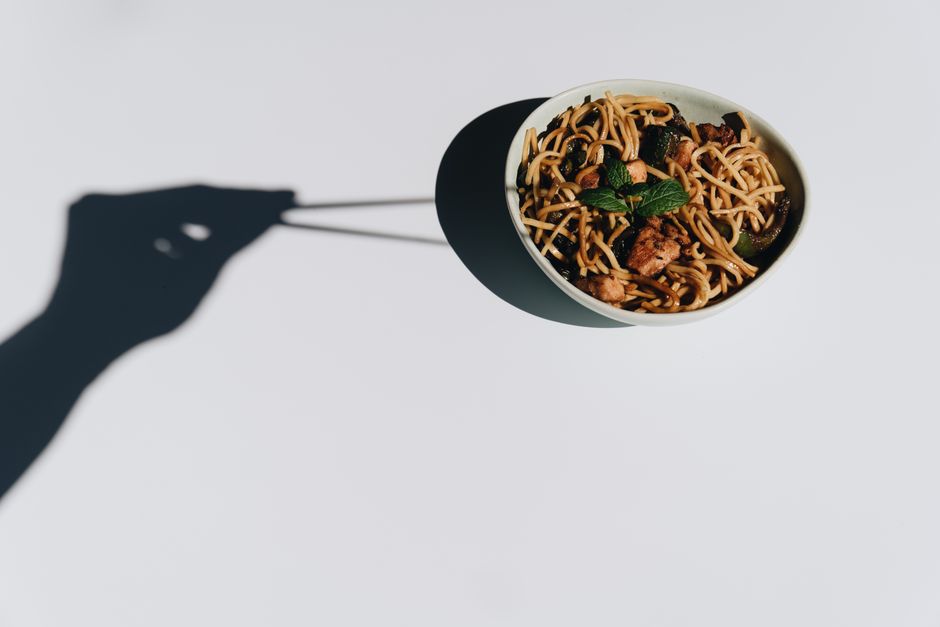
Buldak noodles, often called fire noodles, are one of the most popular instant noodle brands in the world. They are known for their intense spicy flavor and the viral “Fire Noodle Challenge” on social media. The direct answer is that Buldak noodles are not toxic or poisonous, but they are not a health food. Eating them regularly comes with real concerns about sodium, saturated fat, and extreme capsaicin levels that can cause digestive distress in many people.
What Is Actually in Buldak Noodles?
Buldak noodles are a South Korean instant noodle product made by Samyang. The standard package contains a fried noodle block and two seasoning packets: a liquid sauce and a dried topping packet usually containing sesame seeds and seaweed.
The noodle block itself is fried in palm oil before packaging. This is standard for most instant ramen products. The frying process dehydrates the noodles so they cook quickly, but it also adds significant fat content that you would not get from boiled pasta or rice noodles.
The sauce packet contains the signature heat. Its main ingredient is a concentrated chili extract, along with sugar, soy sauce powder, and artificial flavorings. The specific recipe varies slightly by flavor variant, but the core composition stays similar across the product line.
Are Buldak Noodles Bad For You Because of Sodium?
Sodium is the most straightforward concern with Buldak noodles. A single serving provides more than half of the daily recommended sodium limit for most adults. The American Heart Association recommends no more than 2,300 milligrams per day, with an ideal limit of 1,500 milligrams for most adults, especially those with high blood pressure.
One package of Buldak noodles contains roughly 1,200 to 1,300 milligrams of sodium depending on the flavor. That is a substantial portion of your daily allowance in a single snack or meal. If you eat the noodles with additional salty foods, drink salty broth, or eat them multiple times per week, your sodium intake adds up quickly.
High sodium intake over time is linked to high blood pressure, heart disease, and stroke. For people who already have hypertension or kidney issues, the sodium load in one serving of Buldak noodles is genuinely significant. For otherwise healthy people, occasional consumption is unlikely to cause harm, but regular consumption is not advisable.
What About the Fat and Calories?
The fried noodle block contributes most of the fat in Buldak noodles. A single serving contains roughly 16 to 20 grams of total fat, with about 8 grams of saturated fat. That saturated fat amount is close to half of the daily recommended limit for a 2,000-calorie diet.
The calorie count per package ranges from about 500 to 550 calories. That is not extreme for a complete meal, but it is high for a snack. Many people eat the noodles as a snack on top of regular meals, which can push daily calorie intake above what they need.
One common misconception is that the spiciness burns calories or boosts metabolism enough to offset the food’s fat content. Capsaicin, the compound that makes chili peppers hot, does cause a slight temporary increase in metabolic rate. The effect is small and does not meaningfully change weight outcomes. The noodles are still a calorie-dense processed food.





Can the Spice Level Cause Stomach Problems?
Buldak noodles are among the spiciest instant noodles commercially available. The original flavor measures around 4,400 Scoville Heat Units, and the 2x Spicy variant reaches roughly 10,000 SHU. For comparison, a jalapeño pepper typically ranges from 2,500 to 8,000 SHU.
Capsaicin is the active compound responsible for the heat. It binds to pain receptors in the mouth, esophagus, and stomach. For many people, this causes a burning sensation, sweating, and tearing. That is a normal physiological response, not a sign of harm.
However, capsaicin can trigger real digestive issues in some people. It can worsen symptoms of gastroesophageal reflux disease, irritate the stomach lining, and cause nausea or abdominal cramps. People with irritable bowel syndrome, gastritis, or a history of stomach ulcers may find that eating extremely spicy noodles causes significant discomfort.
There is no evidence that capsaicin causes ulcers. In fact, some research suggests it may have protective effects on the stomach lining. But that does not mean it is comfortable for everyone. If spicy food has ever caused you heartburn or stomach pain, Buldak noodles will likely do the same.
Is There Any Nutritional Value in Buldak Noodles?
Buldak noodles provide almost no meaningful nutrition beyond calories and fat. They contain small amounts of protein, typically around 8 to 10 grams per serving, but the quality of that protein is not high. It comes from wheat flour, not from a complete protein source.
The noodles contain negligible fiber, vitamins, or minerals. The seaweed topping adds trace amounts of iodine and some minerals, but the quantity is too small to matter nutritionally.
This is not unique to Buldak. Most instant noodles share this nutritional profile. They are engineered for shelf stability, fast preparation, and flavor intensity, not for nutritional completeness. Eating them occasionally as a treat is fine. Relying on them as a regular meal replacement would leave gaps in your diet.
Are There Any Dangerous Ingredients in Buldak Noodles?
There are no ingredients in Buldak noodles that are banned or considered dangerous by food safety regulators. The product is manufactured to South Korean food safety standards and is exported widely, which means it must meet the import requirements of many countries including the United States and European Union nations.
The artificial flavorings and preservatives in the noodles are approved food additives. They are used in thousands of processed foods globally. There is no evidence that these specific additives cause harm at the levels present in the product.
One ingredient that occasionally raises concern is monosodium glutamate, or MSG. Buldak noodles contain MSG in the seasoning powder. MSG is safe for the general population according to the FDA and global food safety authorities. Some people report sensitivity symptoms like headache or flushing after consuming MSG, but clinical trials have not consistently confirmed this effect.
What Happens If You Eat Buldak Noodles Regularly?
Regular consumption of Buldak noodles means regular exposure to high sodium, high saturated fat, and extreme spice. The combination is not ideal for cardiovascular health, digestive comfort, or weight management.
Some research on instant noodle consumption has linked frequent intake to metabolic syndrome risk factors. This research is observational, meaning it cannot prove cause and effect. People who eat instant noodles frequently may also have other dietary habits that contribute to poor health outcomes.
The most honest position is this: eating Buldak noodles once in a while is unlikely to harm a healthy person. Eating them several times per week is not a good idea. They are a processed food with a poor nutritional profile, and they should be treated as an occasional indulgence rather than a dietary staple.
How to Eat Buldak Noodles More Safely
If you enjoy Buldak noodles and want to keep eating them, there are practical ways to reduce the concerns.
- Do not drink all the broth. Much of the sodium and capsaicin stays in the liquid, so leaving some behind reduces both.
- Add vegetables and a protein source. Adding eggs, chicken, or tofu improves the nutritional balance of the meal and increases satiety.
- Drink water or milk alongside the noodles. Milk contains casein, which helps wash capsaicin off pain receptors and can reduce the burning sensation.
- Limit portion size. Eating half a package as a side dish rather than a full package as a meal cuts the sodium and fat in half.
- Pay attention to your body. If spicy food causes heartburn or stomach pain, this product is not for you regardless of how much you enjoy the flavor.
None of these strategies make the noodles healthy. They reduce the impact of the least desirable aspects of the product. The best approach for your health is to treat Buldak noodles as what they are: a highly processed, extremely spicy snack food.
Are Buldak Noodles Bad For You Compared to Other Instant Noodles?
Compared to other instant ramen brands, Buldak noodles are similar in sodium and fat content. The main difference is the spice level. The extreme heat is what sets them apart, and that is also what causes the most discomfort for people who are not accustomed to very spicy food.
Some instant noodle varieties are slightly lower in sodium or use air-dried rather than fried noodle blocks. These options are marginally better but still fall into the same processed food category. No instant noodle product is a health food.
If you are choosing between Buldak and another instant noodle brand, the decision should be based on your tolerance for spice and your personal preference, not on a meaningful nutritional difference between the products.
Frequently Asked Questions
Can Buldak noodles cause stomach ulcers?
No clinical evidence shows that capsaicin or spicy food causes stomach ulcers. However, they can irritate existing ulcers or worsen conditions like gastritis and acid reflux.
How many Scoville units are in Buldak noodles?
The original Buldak flavor is around 4,400 Scoville Heat Units, and the 2x Spicy version is approximately 10,000 SHU. That places them far above most commercial hot sauces but below the hottest chili peppers.
Is it safe to eat Buldak noodles while pregnant?
There is no specific guidance against eating Buldak noodles during pregnancy, but the high sodium and extreme spice may worsen heartburn, which is common in pregnancy. Pregnant women should check with their healthcare provider about their individual sodium limits and spice tolerance.
Why do my stomach hurt after eating Buldak noodles?
Stomach pain after eating Buldak noodles is most likely caused by capsaicin irritating the stomach lining or triggering acid reflux. This is a normal response for some people and is not a sign of a serious medical condition unless the pain is severe or persistent.
