
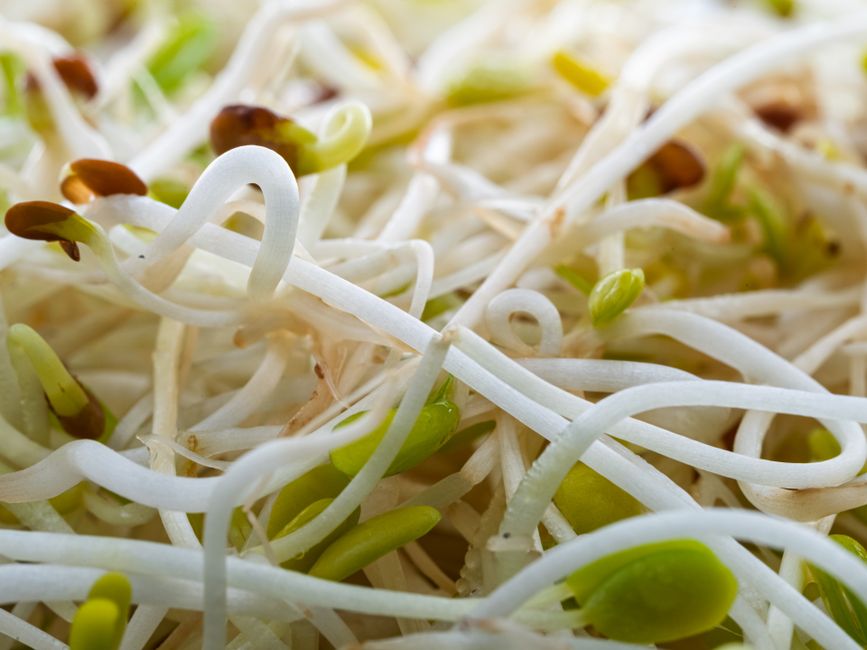
Bean sprouts are a low-calorie, crunchy vegetable that can be a healthy addition to most diets. They are packed with vitamin C, vitamin K, and folate, while providing a satisfying texture for salads, stir-fries, and sandwiches. However, they carry a specific food safety risk that you must understand before eating them, particularly if you are pregnant or have a weakened immune system.
What Are the Nutritional Benefits of Bean Sprouts?
Bean sprouts are not just water and crunch. They contain a surprising amount of nutrition for very few calories. A one-cup serving of mung bean sprouts provides a significant portion of your daily vitamin C needs, which supports immune function and skin health.
They are also a good source of folate, a B vitamin that is essential for cell division and the production of DNA. This makes them particularly important for pregnant women, though the safety concerns below must be considered first. Vitamin K is present in meaningful amounts as well, which plays a direct role in blood clotting and bone metabolism.
Unlike many other crunchy snacks, bean sprouts are naturally low in sodium and contain zero cholesterol. They also provide a small amount of plant-based protein and dietary fiber, which helps with digestion and satiety. The fiber content is not huge, but it contributes to your daily total.
Are Raw Bean Sprouts Safe to Eat?
This is the most important question, and the answer requires directness. Raw bean sprouts are not considered safe for everyone. The FDA and the CDC have repeatedly warned that eating raw sprouts can lead to foodborne illness.
The reason is the growing process. Sprouts require warm, humid conditions to germinate. These exact conditions are also ideal for the growth of bacteria like Salmonella, E. coli, and Listeria. Unlike other vegetables that are washed before eating, the bacteria can get inside the sprout seed itself. Washing the outside will not remove internal contamination.
Healthy adults may eat raw sprouts and never get sick, but the risk is real. If you have a weakened immune system, are pregnant, are an older adult, or are caring for a young child, you should not eat raw sprouts at all. This is not a suggestion; it is a clear public health warning.
Even for healthy individuals, the CDC advises that raw sprouts are a common source of foodborne illness. The safest way to eat them is cooked.
How Should You Cook Bean Sprouts to Make Them Safe?
Cooking bean sprouts thoroughly kills the harmful bacteria that may be present. The key word here is thoroughly. A quick toss in a hot wok for thirty seconds may not be enough to ensure safety.
To be sure, sprouts should be cooked until they are steaming hot throughout. The FDA recommends cooking sprouts to an internal temperature that kills bacteria, which is effectively achieved when they are visibly hot and slightly wilted. Stir-frying, boiling, or sautéing them until they are fully heated is the most reliable method.
If you are cooking for someone with a compromised immune system, cook the sprouts until they are soft, not just warm. This may alter the texture—they lose some of their crunch—but it is the only way to eliminate the risk of bacterial infection.
Do not rely on smell or appearance. Sprouts that look fresh can still carry bacteria. The only reliable safety measure is heat.





What Is the Difference Between Mung Bean Sprouts and Soybean Sprouts?
Most people use the term “bean sprouts” without realizing there are two common types. They look similar but have distinct nutritional profiles and culinary uses.
Mung bean sprouts are the thin, pale sprouts with small yellow heads that you commonly see in Chinese restaurants. They are crisp, mild in flavor, and contain the nutrients mentioned earlier, including vitamin C and folate.
Soybean sprouts are thicker, have larger yellow heads, and are more common in Korean cuisine. They contain more protein and fiber than mung bean sprouts. They also take longer to cook because they are denser.
Both types carry the same food safety risks. The cooking guidance above applies equally to both varieties.
Are Bean Sprouts Good for Weight Loss?
Bean sprouts can be a helpful food if you are managing your weight, but they are not a miracle food. Their value lies in their volume and low energy density.
Energy density is the number of calories in a given weight of food. Bean sprouts are mostly water, so they provide bulk and a feeling of fullness without adding many calories. This allows you to eat a large portion that satisfies hunger without exceeding your calorie budget.
They are not a protein powerhouse. While they contain some protein, you should not rely on them as your primary protein source in a meal. They work best as a replacement for higher-calorie crunchy toppings or as a base to add volume to a dish.
Replacing a portion of noodles or rice with bean sprouts in a stir-fry is a practical way to reduce the calorie content of a meal while keeping the portion size generous. This is the realistic role they play in weight management.
Do Bean Sprouts Interfere With Thyroid Function?
There is a common concern that raw bean sprouts, particularly soybean sprouts, may affect thyroid function. This concern is based on the presence of goitrogens, which are compounds that can interfere with iodine uptake by the thyroid gland.
The evidence here requires careful interpretation. Goitrogens are found in many cruciferous vegetables like broccoli and cabbage, not just sprouts. For a person with a healthy thyroid and adequate iodine intake, eating normal amounts of raw sprouts is unlikely to cause a problem.
However, for someone with an existing thyroid condition, particularly hypothyroidism, consuming very large amounts of raw sprouts regularly could theoretically interfere with thyroid hormone production. Cooking significantly reduces goitrogenic activity.
If you have a thyroid condition, you do not need to avoid bean sprouts entirely. Eating them cooked is a safe choice. If you eat them raw, do so in moderation and be aware of your iodine intake. This is a case where moderation and cooking resolve the concern for most people.
How Long Do Bean Sprouts Last in the Fridge?
Bean sprouts are highly perishable. They have a short shelf life compared to most vegetables because of their high moisture content.
Fresh bean sprouts should be stored in the refrigerator and are best used within two to three days of purchase. They should be kept in a ventilated container or the original bag if it has holes. Storing them in a sealed plastic bag traps moisture and accelerates spoilage.
You should discard them immediately if they develop a slimy texture, a sour smell, or any darkening of the tips. These are signs of bacterial growth, and the sprouts should not be eaten even if cooked. The risk of spoilage bacteria is not eliminated by cooking.
Do not buy sprouts that look wilted or have standing water in the package. This indicates they are already past their prime.
Can You Grow Bean Sprouts at Home Safely?
Growing your own bean sprouts at home seems like a way to control safety, but it does not eliminate the risk. The bacteria that cause illness can be present in the seeds themselves, not just the environment.
Home sprouting uses the same warm, moist conditions that commercial sprouting uses. If the seeds harbor bacteria, the sprouts will be contaminated regardless of how clean your kitchen is. You cannot see, smell, or taste these bacteria.
If you choose to grow sprouts at home, you must treat them with the same caution as store-bought sprouts. They still need to be cooked thoroughly before eating. Growing them at home does not make them safe to eat raw.
The only way to guarantee safety with raw sprouts is to not eat them raw. This applies to homegrown sprouts as much as commercial ones.
Frequently Asked Questions
Are bean sprouts a good source of protein?
Bean sprouts contain some protein, but not enough to be considered a primary protein source. Soybean sprouts have more protein than mung bean sprouts, but both are better viewed as a vegetable addition rather than a protein replacement.
Can I eat bean sprouts while pregnant?
Pregnant women should not eat raw bean sprouts because of the risk of Listeria and other bacterial infections. Cooked sprouts that are steaming hot throughout are safe to eat during pregnancy.
Do bean sprouts need to be washed before cooking?
Rinsing them removes surface dirt, but it does not remove bacteria that may be inside the sprout. Washing is not a substitute for cooking, and cooking thoroughly is the only reliable safety measure.
Are canned bean sprouts safe to eat raw?
Canned bean sprouts are already cooked during the canning process, so they are safe to eat directly from the can without additional cooking. They are softer than fresh sprouts and have a different texture.
