
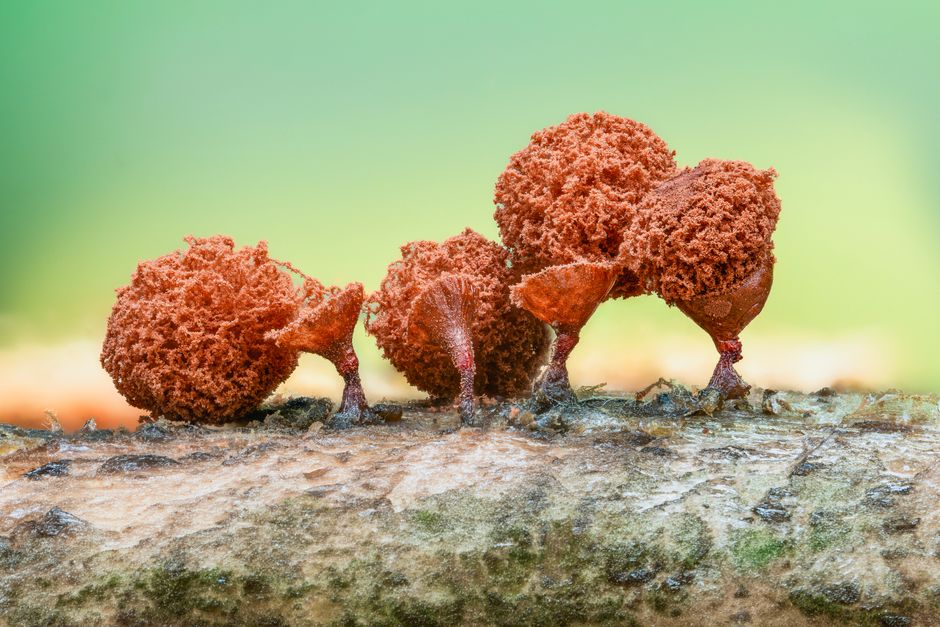
Mushrooms puffballs and bracket fungi release billions of microscopic spores into the air. These are called basidiospores. When they show up on an indoor air test many homeowners immediately worry about mold. Here is the direct answer: Basidiospores are not a definitive sign of mold indoors. They come from a different group of fungi than the molds that typically grow on walls and ceilings. Most basidiospores enter your home from outside. However in some cases their presence can point to a specific type of fungal growth inside — wood decay fungi.
What Are Basidiospores Exactly?
Basidiospores are the reproductive spores of a large group of fungi called basidiomycetes. This group includes mushrooms puffballs bracket fungi rusts and smuts. They are different from the fungi most people call mold. Most common indoor molds — like Aspergillus Penicillium and Stachybotrys — belong to other fungal divisions (Ascomycota or Zygomycota).
Basidiospores are produced on a structure called a basidium. They are typically released in large numbers and are designed to travel through the air. Because of this they are common in outdoor air year‑round especially in warmer wetter seasons.
Are Basidiospores Considered Mold?
Technically no. Mold is not a scientific term. It is a common name for fungi that grow as multicellular filaments and form visible colonies on damp surfaces. Almost all fungi we call mold are ascomycetes or zygomycetes. Basidiomycetes rarely look like mold. They usually form mushrooms or conks. However a few basidiomycetes can grow indoors as wood‑rotting fungi and produce a mold‑like appearance (for example Serpula lacrymans the dry rot fungus). Even then they are not classified as mold in standard microbiology.
In practical terms if an air test report lists basidiospores alongside mold spores it is not because they are mold. It is because they are airborne fungal spores that can be detected with the same testing method.
Where Do Basidiospores Come From Indoors?
There are two main sources.
- Outdoor air infiltration. Basidiospores are abundant in outdoor air. They enter through windows doors and HVAC systems. In most homes the indoor level of basidiospores mirrors the outdoor level. This is the most common scenario.
- Active fungal growth indoors. Certain basidiomycetes decay wood. If you have a moisture problem in wooden framing subflooring or structural beams a wood‑rot fungus can grow and release its own basidiospores. Species such as Serpula lacrymans Coniophora puteana (cellar fungus) and Gloeophyllum trabeum are known indoor decay fungi.
The key difference is quantity and context. Outdoor infiltration usually produces basidiospore levels that are similar indoors and outdoors. An indoor source typically causes indoor levels that are much higher than outdoor levels.





Do Basidiospores Indicate a Mold Problem?
Not by themselves. Low to moderate levels of basidiospores indoors are normal and come from outside. A mold problem usually involves different fungi — those that grow on sheetrock carpet or other organic materials in the presence of moisture.
High concentrations of basidiospores that are consistently above outdoor levels may indicate an active fungal growth issue inside. That growth is likely a wood‑decay fungus not typical mold. Wood decay can cause structural damage so it deserves attention. But it is not the same as the mold that grows from a bathroom leak or a flooded basement.
If you have elevated basidiospores and no visible mold on common surfaces the logical next step is to check for hidden wood rot in crawlspaces basements or behind walls.
Health Effects of Basidiospores
The evidence here is limited compared to better‑studied molds. Basidiospores can trigger allergic reactions in sensitive individuals. Symptoms may include runny nose sneezing itchy eyes or asthma exacerbation. Some studies have linked basidiospores to respiratory allergy but the overall risk appears lower than for common mold spores like Alternaria or Cladosporium.
Wood‑decay fungi produce enzymes that break down wood but whether they produce significant mycotoxins in indoor environments is not well established. No large human trials have confirmed health risks beyond allergy from basidiospore exposure alone. If you have symptoms that improve when you are away from the building consider allergy testing for fungal spores.
How to Test for Basidiospores
Standard mold testing methods detect basidiospores. Spore trap air sampling is the most common. A trained professional collects a sample of indoor air and a sample of outdoor air. The lab counts and identifies spores. Because basidiospores look distinctive under a microscope they are reported separately from other mold groups.
Do not rely on a single test. A meaningful interpretation requires comparing indoor levels to outdoor levels and considering the types of other spores present. A report showing basidiospores without a paired outdoor sample is of limited use.
No clinical guidelines currently exist for basidiospores in indoor air. The American Conference of Governmental Industrial Hygienists (ACGIH) has published reference levels for some fungal groups but not a specific threshold for basidiospores alone. Most experts use the indoor/outdoor comparison approach.
What to Do If Basidiospores Are Found
First look at the numbers. If indoor basidiospore counts are similar to or lower than outdoor counts the source is almost certainly outside. Cleaning HVAC filters and sealing gaps can reduce entry but complete elimination is not realistic.
If indoor counts are significantly higher than outdoor counts investigate for wood decay. Look for damp crawl spaces leaking pipes condensation on wood surfaces or signs of fungal growth on structural lumber. A home inspection or a specialist in wood‑rot fungi may be needed.
If you have visible mushroom‑like growth on wood do not disturb it without professional guidance. Some species are aggressive and require specialized remediation. Removing the moisture source is the only permanent solution.
For routine basidiospore levels that match outdoors no action is necessary. They are not a sign of mold and do not indicate a health hazard for the average person.
Frequently Asked Questions
Can basidiospores cause health problems?
Yes they can trigger allergies in some people similar to other fungal spores. No large studies have confirmed more serious health effects from basidiospores alone.
How can I tell if basidiospores are from outdoors or indoors?
A professional spore trap test that compares indoor and outdoor counts is the most reliable method. Indoor levels that are much higher than outdoor levels suggest an indoor source.
What is the difference between basidiospores and mold spores?
Basidiospores come from mushrooms and related fungi while mold spores come from different fungal groups that grow on damp surfaces. Both can be airborne but they indicate different types of fungal activity.
Should I be worried if basidiospores are found in my home?
Not typically. Low levels matching outdoor air are normal. Worry only if indoor levels are significantly elevated or if you see wood rot mushrooms or decay on structural wood.
