
Bananas are not bad for you. For most healthy people, they are a nutritious fruit that provides potassium, vitamin B6, fiber, and natural carbohydrates. The confusion comes from their sugar and carbohydrate content, which matters mainly for people with diabetes or those following very low-carb diets. For the general population, eating a banana a day is perfectly healthy and supported by nutritional science.
What Is Actually in a Banana?
A medium banana contains about 105 calories. It provides roughly 27 grams of carbohydrates, including about 14 grams of naturally occurring sugar. It also delivers around 3 grams of fiber, which slows digestion and helps steady blood sugar response.
The standout nutrient is potassium. A medium banana supplies about 422 milligrams, which is roughly 9 percent of the recommended daily intake for adults. Potassium supports blood pressure regulation, muscle contraction, and nerve signaling. Bananas also contain vitamin B6, vitamin C, and magnesium in meaningful amounts.
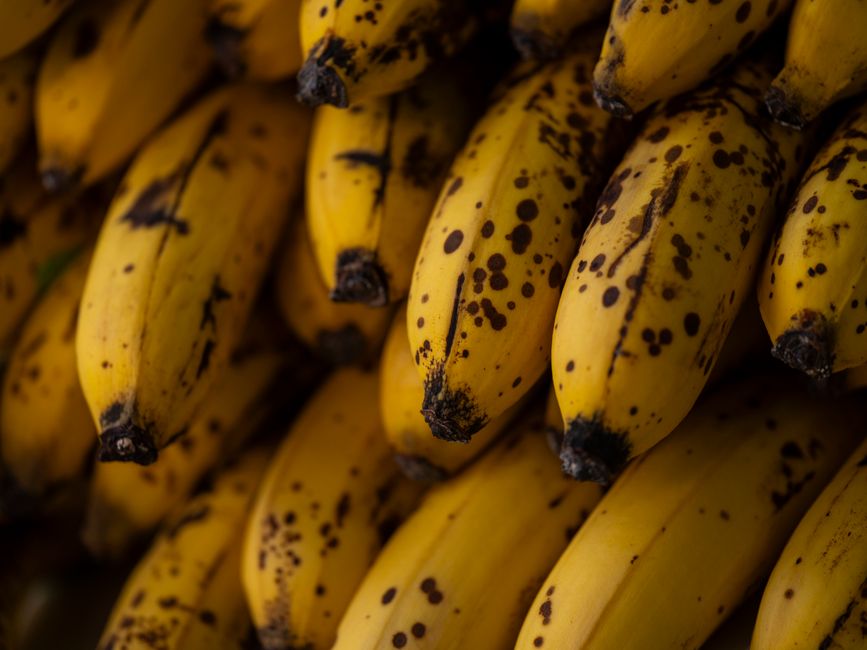
One point most people miss: a slightly green banana has more resistant starch. Resistant starch acts like fiber — it resists digestion in the small intestine and feeds beneficial gut bacteria. As the banana ripens, that resistant starch converts to simple sugars. So a greener banana has a gentler effect on blood sugar than a fully ripe one with brown spots.
Does the Sugar in Bananas Matter?
Bananas contain sugar, but the type and packaging matter. The sugar in a banana is naturally occurring fructose and glucose. Unlike a candy bar, a banana comes with fiber, water, and other nutrients that slow absorption.
Glycemic index is a measure of how quickly a food raises blood sugar. A ripe banana has a low-to-moderate glycemic index, generally estimated around 51 to 55. That places it below white bread or sugary cereals. However, the exact value depends on ripeness — riper bananas score higher than firmer, less ripe ones.
For a person without metabolic issues, the body handles this sugar load easily. The concern only becomes relevant for people with diabetes or prediabetes, where portion size and ripeness deserve more attention.
Are Bananas Bad for People with Diabetes?
Bananas are not forbidden for people with diabetes, but they require more thought than some other fruits. The carbohydrate content is the main issue. A medium banana contains about 27 grams of carbs, which is a substantial portion for someone tracking carbohydrate intake.
Clinical guidance generally supports fruit consumption for people with diabetes, including bananas, when portion sizes are managed. A half banana or a smaller banana reduces the carbohydrate load significantly. Pairing a banana with a protein or fat source — like peanut butter or Greek yogurt — can further blunt the blood sugar response.
People with diabetes should not assume bananas are off-limits. They should account for the carbohydrates in their meal plan, just as they would with any other carb-containing food. Blood sugar monitoring after eating can help an individual learn their personal response.





Do Bananas Cause Weight Gain?
No single food causes weight gain by itself. Weight change comes from total calorie balance over time. A medium banana has about 105 calories, which is modest for a snack. Compare that to a typical granola bar, which often contains 150 to 200 calories with more added sugar and less fiber.
Some people worry that bananas are too high in sugar for weight loss. The evidence does not support that concern. Studies consistently link higher fruit intake, including bananas, with better weight management, not worse. The fiber and water content in bananas promote fullness, which can reduce overall calorie intake later in the day.
The practical issue is portion distortion. Eating three or four bananas in one sitting adds up to over 400 calories. But that is a behavior issue, not a problem with the fruit itself. One banana as a snack or part of a meal is a reasonable choice for most people.
Can Bananas Cause Digestive Problems?
For most people, bananas help digestion rather than harm it. The fiber in bananas supports regular bowel movements. Some research suggests that bananas may help with diarrhea recovery because they provide easily digestible carbohydrates and replace lost potassium.
However, some people do experience digestive discomfort from bananas. Unripe bananas contain more resistant starch, which can cause gas and bloating in sensitive individuals. People with irritable bowel syndrome, or IBS, sometimes react to the fermentable carbohydrates in ripe bananas. This is not a sign that bananas are unhealthy — it is an individual tolerance issue.
If bananas cause you bloating or cramps, that does not mean you must avoid them forever. It may mean choosing riper bananas, eating smaller portions, or spacing them out from other high-fiber foods.
What About Bananas and Potassium Overload?
A common myth is that eating too many bananas can cause dangerous potassium levels. For healthy kidneys, this is essentially impossible from food alone. The kidneys regulate blood potassium tightly and excrete excess amounts through urine.
The situation differs for people with chronic kidney disease. Damaged kidneys cannot clear potassium effectively, and high blood potassium becomes a serious medical risk. People with advanced kidney disease are often advised to limit high-potassium foods, including bananas. This is a specific medical recommendation for a specific condition — not general advice for everyone.
For a healthy adult, even eating several bananas a day would not typically cause hyperkalemia, the medical term for high blood potassium. The body is well equipped to handle dietary potassium from whole foods.
Are Bananas Good for Athletes and Active People?
Bananas have a legitimate role in sports nutrition. They provide quick carbohydrates for energy and potassium for muscle function. Some research has compared bananas to commercial sports drinks during endurance exercise and found comparable performance effects.
The practical advantage is that bananas come with no additives, no artificial ingredients, and no packaging waste. They are also easy to digest before or during exercise, which makes them a practical choice for runners, cyclists, and gym-goers.
For recovery after exercise, a banana paired with protein can help replenish glycogen stores. This is not a magic combination, but it is a sound, evidence-based approach to post-workout nutrition.
Who Should Actually Limit Bananas?
Bananas are not universally beneficial for every person in every situation. The people who may need to limit them include:
- People with advanced chronic kidney disease who must restrict potassium
- People with diabetes who need to manage total carbohydrate intake carefully
- People following a therapeutic ketogenic diet, where carbohydrate limits are strict
- People with a diagnosed intolerance to the specific carbohydrates in bananas
For everyone else, the evidence does not support avoiding bananas. They are a whole food with genuine nutritional value. The fear around bananas is largely driven by their sugar content, but that fear ignores the fiber, potassium, and other nutrients that come packaged with that sugar.
The bigger dietary problem in the United States is added sugar from processed foods, not naturally occurring sugar in whole fruit. Replacing a processed snack with a banana is almost always a nutritional upgrade.
Frequently Asked Questions
How many bananas can I eat per day?
For most healthy people, one to two bananas per day is reasonable and fits within standard dietary guidance. Eating more than that is unlikely to cause harm but may add unnecessary calories to your day.
Are bananas fattening at night?
No evidence shows that eating a banana at night causes weight gain. Weight gain depends on total daily calorie intake, not the time of day you eat a specific fruit.
Do bananas spike your blood sugar?
Bananas raise blood sugar, but their fiber content slows that rise compared to refined carbohydrates. People with diabetes should manage portion size and consider ripeness, since riper bananas have a stronger effect on blood sugar.
Are green bananas healthier than ripe bananas?
Green bananas contain more resistant starch, which feeds gut bacteria and has a gentler effect on blood sugar. Ripe bananas are easier to digest and taste sweeter, but both are healthy choices.
