
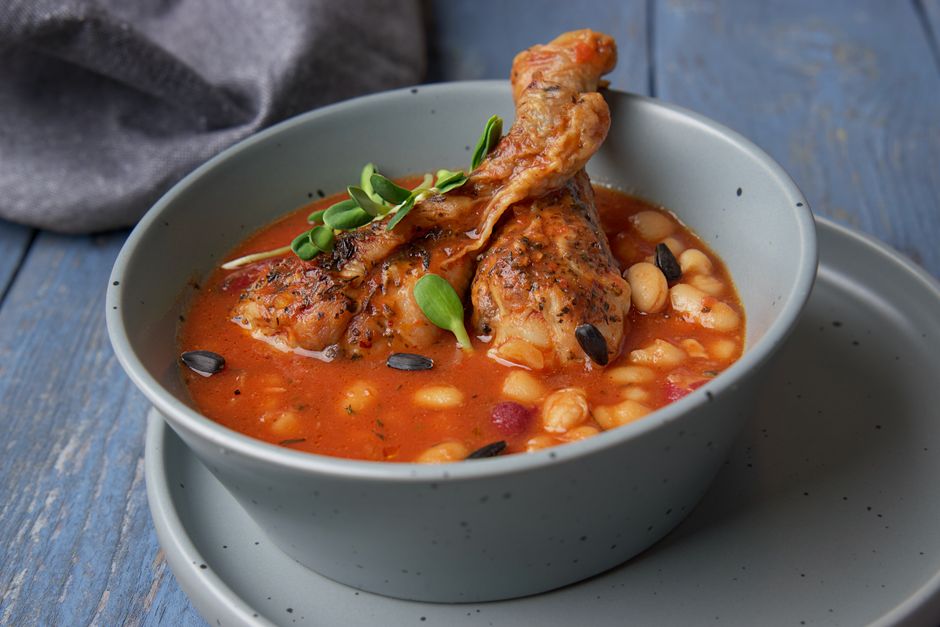
Baked beans are a pantry staple in many American homes, but their reputation as a healthy food is mixed. The short answer is yes, baked beans can be genuinely nutritious, but the version you buy matters a great deal. A standard half-cup serving provides plant-based protein, fiber, and several essential minerals. The catch is that many commercial brands add significant amounts of added sugar and sodium, which can offset those benefits quickly. Understanding what is in your can is the difference between a healthy side dish and a dessert in disguise.
What Is Actually in a Serving of Baked Beans?
A standard serving of baked beans is half a cup, which is about 130 grams. In that serving, you typically get around 7 grams of protein and 6 grams of fiber. That fiber content is significant — it covers roughly 20 percent of your daily needs. Baked beans are made from navy beans, which are small white beans packed with soluble fiber.
The protein in beans is not “complete” like meat protein, meaning it lacks one or more essential amino acids. This matters less than people think. If you eat a varied diet with grains, vegetables, or dairy throughout the day, your body combines amino acids from different meals. You do not need to eat complementary proteins in the same bite.
Baked beans also provide iron, magnesium, potassium, and folate. These minerals support blood health, muscle function, and normal cell division. The bean itself is a genuinely nutrient-dense food.
Are Baked Beans Nutritious or Just High in Sugar?
This is where the answer gets complicated. The beans themselves are nutritious. The sauce they sit in often is not. Traditional baked bean recipes call for brown sugar, molasses, or maple syrup. Commercial versions frequently use high fructose corn syrup or cane sugar as the first or second ingredient.
Some brands pack 12 to 16 grams of added sugar into a single half-cup serving. That is roughly 3 to 4 teaspoons of sugar. For context, the American Heart Association recommends no more than 36 grams of added sugar per day for men and 25 grams for women. One serving of a sweetened brand can eat up more than half of that daily allowance.
The good news is that not all brands are equal. “Reduced sugar” or “no added sugar” versions exist in most grocery stores. Some brands use tomato-based sauces with minimal sweetener. Checking the nutrition label is not optional here — it is the only reliable way to know what you are buying.
How Much Sodium Is in Canned Baked Beans?
Sodium is the second major concern. Canned baked beans rely on salt for flavor and preservation. A half-cup serving of many mainstream brands contains 400 to 600 milligrams of sodium. The Dietary Guidelines for Americans recommend limiting sodium to 2,300 milligrams per day, with many health organizations suggesting 1,500 milligrams for people with high blood pressure.
One serving of baked beans can deliver up to a quarter of your daily sodium limit. That is not automatically a problem — most people eat baked beans as a side dish, not the whole meal. But if you pair them with other processed foods like hot dogs or canned meats, sodium adds up fast.
Low-sodium versions exist and typically contain around 150 to 250 milligrams per serving. Rinsing canned beans reduces sodium, but that is less practical with baked beans since the sauce is the point. Choosing a low-sodium brand or making your own from dried beans gives you control over salt.





What Are the Health Benefits of Eating Baked Beans?
Research consistently shows that regular bean consumption is linked to better heart health. A 2015 analysis published in the American Journal of Clinical Nutrition found that eating legumes four times per week was associated with a 14 percent lower risk of coronary heart disease compared to eating them less than once a week. Baked beans qualify as legumes, and the fiber and potassium they contain support healthy blood pressure and cholesterol levels.
The fiber in beans also feeds beneficial gut bacteria. Your colon ferments soluble fiber into short-chain fatty acids, which nourish intestinal cells and support digestive health. This is why beans are known for causing gas — that fermentation is real, and it is the mechanism behind the benefit.
Beans also have a low glycemic index, meaning they raise blood sugar slowly compared to white rice or potatoes. The protein and fiber slow digestion, which helps blunt post-meal glucose spikes. This makes baked beans a better carbohydrate choice than many other side dishes for people watching their blood sugar.
How Do Baked Beans Compare to Other Side Dishes?
| Side Dish (half cup) | Protein | Fiber | Added Sugar |
|---|---|---|---|
| Baked beans (sweetened) | 7 g | 6 g | 12-16 g |
| Baked beans (low sugar) | 7 g | 6 g | 0-4 g |
| White rice | 2 g | 0.5 g | 0 g |
| Mashed potatoes | 2 g | 2 g | 0-2 g |
| Steamed broccoli | 2 g | 2.5 g | 0 g |
The table shows why baked beans stand out nutritionally. Even the sweetened version delivers more protein and fiber than rice or potatoes. The low-sugar version is clearly the best choice among these options. The trade-off is that beans cost more and take more effort to prepare than opening a bag of rice.
Are Canned Baked Beans Safe to Eat Regularly?
Canned baked beans are safe to eat regularly, with two caveats. The first is the can lining. Most food cans are lined with epoxy resin that contains BPA, a chemical that can leach into food. Many manufacturers have moved to BPA-free linings, but not all have. The FDA has not established a clear threshold for harm from BPA in food cans, and the evidence on human health effects is mixed. If this concerns you, look for brands that state “BPA-free” on the label or choose beans in glass jars.
The second caveat is the bean itself. Navy beans contain lectins, which are proteins that can cause digestive distress if beans are undercooked. Commercial canning processes cook beans thoroughly, so this is not a real concern with canned products. It only matters if you cook dried beans at home and undercook them.
Some people worry about the preservatives and additives in canned foods. Most baked bean brands contain only beans, water, tomato paste, sugar, salt, and spices. There are no artificial preservatives in most mainstream brands because the canning process itself preserves the food.
Can Baked Beans Help With Weight Management?
Baked beans can support weight management because they are filling. The combination of protein and fiber slows stomach emptying and increases satiety hormones. A half-cup serving contains only about 150 to 180 calories in most brands, which is modest for a side dish that keeps you full.
One serving of baked beans is not enough to make a meal, but it works well as part of one. Pairing beans with a lean protein and vegetables creates a balanced plate. The fiber helps you feel satisfied longer, which may reduce snacking later in the day.
The evidence on this is indirect but consistent. High-fiber diets are repeatedly associated with lower body weight in observational studies. Beans are among the highest-fiber foods available, so they fit that pattern. No single food causes weight loss, but choosing high-satiety foods like beans over refined carbohydrates is a sensible strategy.
How to Choose the Best Baked Beans at the Store
Reading the label takes thirty seconds and makes the entire difference. Look at the added sugar line first. Anything above 8 grams per serving is heavily sweetened. Then check sodium — aim for under 350 milligrams per serving if you are watching your blood pressure.
Ingredient lists matter too. The shorter the list, the better. Beans, water, tomato paste, and spices are ideal. If you see high fructose corn syrup or multiple types of sweetener, that is a sign the brand is prioritizing taste over nutrition.
Organic versions exist but are not nutritionally superior. They avoid pesticide residues and are grown under different regulations, but the macronutrient profile is identical. Choose organic if you prefer it for environmental or pesticide reasons, not because it changes the health benefits.
Making baked beans from dried navy beans is the most reliable way to control sugar and salt. It takes longer, but a slow cooker makes it mostly passive. Soak the beans overnight, add tomato paste, onion, and a small amount of sweetener, and cook on low for six to eight hours. The result beats anything from a can.
Frequently Asked Questions
Are baked beans a good source of protein?
Yes, a half-cup serving provides about 7 grams of protein. The protein is incomplete on its own, but it becomes complete when paired with grains like bread or rice.
Do baked beans cause weight gain?
No, baked beans are not linked to weight gain when eaten in normal serving sizes. Their fiber and protein content actually promote fullness, which can help with weight management.
Are baked beans healthy for people with diabetes?
Baked beans are a reasonable choice for people with diabetes because they have a low glycemic index. Choose low-sugar versions to keep carbohydrate impact modest.
Can you eat baked beans every day?
Yes, eating baked beans daily is safe for most people. Watch your sodium intake from other sources if you eat a canned brand regularly.
