
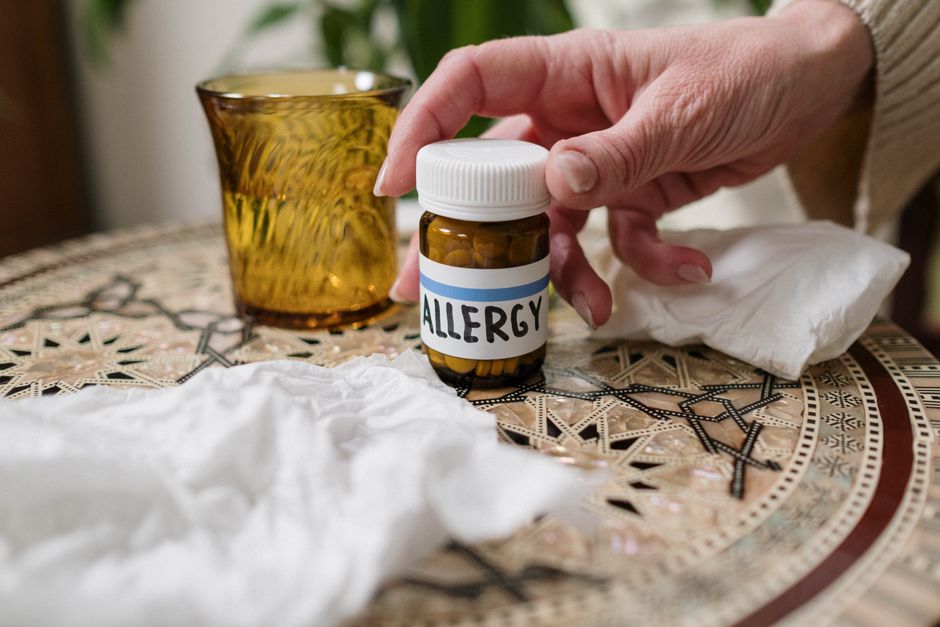
Allergy shots are a safe and effective treatment for many people with allergic rhinitis, allergic asthma, and stinging insect allergies. They have been used in medical practice for over a century, and the risks are well understood and generally manageable. While they are not risk-free—allergic reactions can occur—serious reactions are rare, especially when the shots are given in a medical setting with trained staff.
How Do Allergy Shots Actually Work?
Allergy shots are a form of immunotherapy. The goal is not to relieve symptoms in the moment. The goal is to change how your immune system responds to allergens over time.
You receive a tiny amount of the substance you are allergic to, like pollen, dust mites, or pet dander. The dose starts very low and increases gradually over several months. This is called the buildup phase.
Your immune system slowly gets used to the allergen. Instead of triggering a full allergic response, it learns to tolerate the exposure. For many people, this reduces symptoms and the need for daily allergy medications.
Once the effective dose is reached, you continue with maintenance shots. These are usually given less frequently, often every three to four weeks. The full course of treatment typically lasts three to five years.
Are Allergy Shots Safe What You Need To Know
The short answer is yes, but safety depends on context. Allergy shots are a prescription medical treatment. They carry real risks that require careful management.
The most common risks are local reactions. These include redness, swelling, or irritation at the injection site. These reactions are uncomfortable but not dangerous. They usually appear within minutes to hours after the shot and resolve on their own.
Systemic reactions are less common. These involve symptoms away from the injection site. They can include sneezing, nasal congestion, or hives. In rare cases, a systemic reaction can be severe. This is called anaphylaxis.
Anaphylaxis is a medical emergency. It can cause throat swelling, difficulty breathing, a drop in blood pressure, or loss of consciousness. Because of this risk, allergy shots must be given in a clinic or doctor’s office where emergency equipment is available.
Standard practice requires you to wait in the office for 30 minutes after each injection. This is not a suggestion. This waiting period exists because most severe reactions begin within this window.
Who Should Not Get Allergy Shots?
Allergy shots are not right for everyone. Certain medical conditions increase the risk of complications.
People with severe or poorly controlled asthma should generally not start allergy shots until their asthma is better managed. Uncontrolled asthma is a known risk factor for severe reactions to immunotherapy.
People who take beta-blockers for heart conditions or high blood pressure may not be good candidates. These medications can interfere with the treatment of anaphylaxis if it occurs.
Pregnancy is a special case. If you are already receiving maintenance allergy shots and become pregnant, many doctors allow you to continue. However, starting allergy shots during pregnancy is usually not recommended. No clinical guidelines currently establish that starting immunotherapy during pregnancy is safe for the fetus.
Your allergist will review your full medical history before recommending this treatment. Be honest about every medication you take and every condition you have.





What Are the Common Side Effects?
Local reactions are the most common side effect. You might notice a raised, red, itchy bump at the injection site. This is similar to a mosquito bite. It can appear right away or several hours later.
Some people experience fatigue or a mild headache after their shot. These symptoms are usually brief and not a cause for concern.
Systemic reactions are less common but do happen. Mild systemic reactions might include sneezing, a runny nose, or itchy eyes. These can feel like a mild allergy attack.
More noticeable systemic reactions can include hives over larger parts of the body or mild wheezing. These require immediate attention from the medical staff.
Severe reactions, including anaphylaxis, are rare. Research consistently shows that severe reactions occur in a very small percentage of injections. The exact rate is difficult to pin down because it varies by study and patient population. What is clear is that the risk is lowest when shots are given consistently in a supervised medical setting.
What Does the Evidence Show About Long-Term Safety?
Allergy immunotherapy has a long track record. It has been studied for decades.
Research published in major allergy and immunology journals has consistently documented the safety profile of subcutaneous immunotherapy, which is the medical term for allergy shots. The evidence base is strong for allergic rhinitis and allergic asthma.
Long-term risks are minimal. Allergy shots do not appear to cause permanent organ damage or chronic health problems. The main risks are the immediate allergic reactions described above.
One concern that sometimes comes up is whether allergy shots can cause a new autoimmune disease. Current evidence does not support this link. Some case reports exist, but large population studies have not confirmed a causal relationship. The evidence here is limited, and no large human trials have confirmed this connection.
The broader point is this: the risks are front-loaded. They happen at the time of the injection. The long-term profile is reassuring for most patients.
How Do Allergy Shots Compare to Allergy Drops?
Allergy drops, also called sublingual immunotherapy or SLIT, are an alternative. Instead of a shot, you place a tablet or liquid under your tongue daily.
Allergy drops have a different safety profile. The risk of severe anaphylaxis is significantly lower. This is why some countries allow patients to take allergy drops at home.
In the United States, the FDA has approved several sublingual tablets for specific allergens. These include grass pollen, ragweed pollen, and dust mites. These tablets are prescription treatments and still require an initial dose in a doctor’s office.
However, many allergists in the US use liquid extracts off-label for allergy drops. This means the FDA has not specifically approved that exact use. Off-label use is legal and common in medicine, but it is important to understand the distinction.
The choice between shots and drops depends on your allergens, your preferences, and your doctor’s judgment. Shots are generally more effective for a broader range of allergens. Drops are more convenient but require daily compliance.
What Should You Expect During Your First Appointment?
Before you ever get a shot, you will have a consultation. Your doctor will take a detailed history. You will likely undergo skin testing to identify exactly what you are allergic to.
Your doctor will explain the risks and benefits. You will have the chance to ask questions. Do not leave until you understand the commitment. Allergy shots require regular visits for years.
On the day of your injection, the process is straightforward. A nurse gives the shot in the upper arm. You then wait in the clinic for 30 minutes. This is non-negotiable for safety.
If you have no reaction, you leave and return for the next dose according to your schedule. The buildup phase typically involves weekly or biweekly visits. Maintenance visits are less frequent.
Tell your doctor about any new medications you start during treatment. Tell them if you have any illness like a cold or fever on the day of your shot. They may reschedule your injection. This is normal and expected.
When Is It Not Worth the Risk?
Allergy shots are a significant investment of time and money. They are not the first-line treatment for mild allergies.
If your symptoms are well controlled with over-the-counter antihistamines or nasal sprays, you may not need immunotherapy. Shots are typically reserved for people whose symptoms are moderate to severe or who do not get adequate relief from medications.
No treatment is risk-free. The question is whether the benefit justifies the risk for you personally. For someone with severe seasonal allergies that interfere with work and sleep, the benefit often outweighs the small risk of a serious reaction.
For someone with mild symptoms who only needs a pill occasionally, the risk may not be worth the time commitment. This is a decision you make with your allergist based on your specific situation.
Be honest with yourself about your ability to commit to the schedule. Missing doses or stopping early reduces the effectiveness of the treatment. If you cannot commit to regular visits, discuss other options with your doctor.
Frequently Asked Questions
Can allergy shots cause anaphylaxis?
Yes, anaphylaxis is a rare but known risk of allergy shots.
This is why shots are always given in a medical setting with emergency equipment available and why you must wait 30 minutes after each injection.
Are allergy shots safe for children?
Allergy shots are generally safe for children over the age of five.
Younger children may have difficulty describing symptoms of a reaction, which makes the treatment harder to manage safely.
How long do you need to stay after an allergy shot?
You need to stay in the clinic for 30 minutes after every allergy shot.
Most severe reactions begin within this window, and immediate medical care is essential if one occurs.
Can you take allergy medications while getting allergy shots?
Yes, you can usually continue taking antihistamines and other allergy medications during immunotherapy.
Your doctor may ask you to stop certain medications before your appointment, so always follow their specific instructions.
