
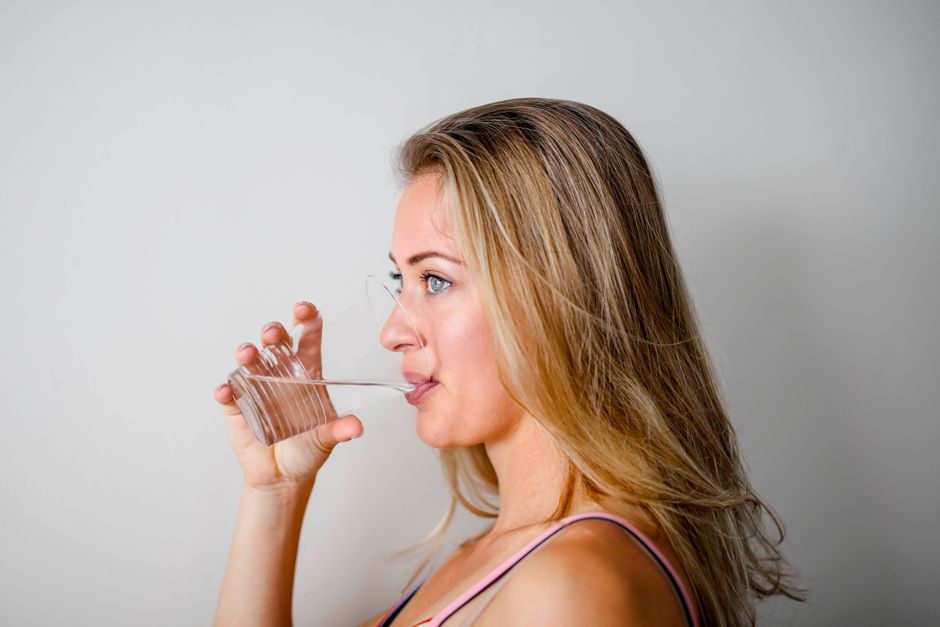
Your body is mostly water. About 60 percent of your body weight is water, and every single system in your body depends on it to work properly. You need so much water because your body loses it constantly through breathing, sweating, and using the bathroom, and it must replace that supply to keep your blood flowing, your temperature stable, and your cells functioning. Water is not just a drink; it is the transport system, cooling system, and chemical factory for your entire body.
How Your Body Actually Uses the Water You Drink
Water does not just sit in your stomach. Within minutes of drinking, it moves into your bloodstream and gets distributed to every tissue. Your body uses this water to perform several critical jobs at the same time.
Your blood is about 90 percent water. Blood carries oxygen to your cells and removes carbon dioxide and waste. Without enough water, your blood volume drops, making your heart work harder to pump the same amount of oxygen and nutrients.
Water also regulates your temperature. When you get hot, your body sweats. The sweat evaporates off your skin and pulls heat away with it. This cooling system only works when you have enough fluid to produce sweat in the first place.
Your kidneys filter your blood roughly 40 times a day. They need water to flush out waste products like urea and excess salts. If you are dehydrated, your kidneys concentrate your urine to save water, which means waste stays in your body longer and can irritate your urinary tract.
Water also lubricates your joints. Cartilage, the tissue that cushions your joints, is about 80 percent water. Synovial fluid, which reduces friction between bones, depends on adequate hydration to stay thick and effective.
What Happens to Your Body When You Do Not Drink Enough
Mild dehydration starts before you feel thirsty. By the time your brain signals thirst, you are already about 1 to 2 percent dehydrated. At this level, you may notice your mood dips, your concentration slips, and you feel more tired than usual.
Your blood pressure can drop when you are low on fluids. Blood becomes thicker and harder to push through your veins. Your heart compensates by beating faster, which is why you may feel your pulse quicken after a long period without water.
Your digestion slows down too. Water helps break down food in your stomach and keeps waste moving through your intestines. Chronic low water intake is a common cause of constipation. Your colon reabsorbs water from waste material, so if you are dehydrated, your stool becomes hard and difficult to pass.
Your skin also shows the effects. Skin elasticity depends on water content. When you are dehydrated, your skin loses its bounce and can look dull or flaky. This is cosmetic, but it reflects a real change in your body’s fluid balance.
How Much Water Do You Really Need Each Day
The old advice to drink eight glasses of water a day is a general guideline, not a strict medical rule. The National Academy of Medicine provides reference values for total water intake, which includes water from all beverages and food. For adult men, the adequate intake is about 3.7 liters per day. For adult women, it is about 2.7 liters per day.
That total includes water from food. Fruits, vegetables, soups, and even coffee and tea count toward your daily fluid intake. About 20 percent of your daily water comes from food, not from drinking.
Your individual need varies based on several factors. If you exercise, you lose more water through sweat and need to drink more. If you live in a hot or humid climate, you lose more fluid through perspiration. If you have a fever, vomiting, or diarrhea, your fluid losses increase dramatically.
Your urine color is a practical indicator. Pale yellow urine generally means you are well hydrated. Dark yellow or amber urine suggests you need more fluids. Clear urine means you may be drinking more than you need, which is not harmful for most people but is unnecessary.





Why Do I Need So Much Water How Your Body Uses It for Energy
Your cells produce energy through chemical reactions that require water. Every metabolic process in your body, from breaking down food to building new proteins, happens in a water-based environment. Even a small drop in your body’s water content can slow these reactions down.
Your brain is particularly sensitive to hydration status. Brain tissue is about 75 percent water. Studies have shown that even mild dehydration can impair short-term memory, attention, and reaction time. Some research suggests that losing just 1 to 2 percent of your body weight in water can affect cognitive performance.
Your muscles also depend on water for contraction. Muscle tissue is about 75 percent water. Electrolytes like sodium and potassium, which dissolve in water, carry the electrical signals that tell your muscles to contract. When you are dehydrated, your electrolyte balance shifts, and your muscles may cramp or fatigue faster.
Does Coffee and Tea Count Toward Your Water Intake
Yes. Caffeinated beverages do count toward your daily fluid intake. The mild diuretic effect of caffeine is not strong enough to cause net fluid loss in people who consume caffeine regularly. Your body adapts to caffeine, and the water in your coffee or tea is absorbed and used normally.
This misconception persists because caffeine increases urine production in the short term. But the total fluid you take in from a cup of coffee still exceeds what you lose through the extra urination. For most healthy adults, coffee and tea are hydrating beverages, not dehydrating ones.
Alcohol is different. Alcohol inhibits an antidiuretic hormone called vasopressin, which normally tells your kidneys to hold onto water. When vasopressin is suppressed, your kidneys produce more urine, and you lose more fluid than you take in. This is why alcohol can dehydrate you even though it is a liquid.
Can You Drink Too Much Water
It is possible, though rare in healthy people. Drinking excessive water in a short period can dilute the sodium in your blood to dangerously low levels. This condition is called hyponatremia. When blood sodium drops too low, water moves into your cells and causes them to swell. Brain swelling from hyponatremia can be life-threatening.
Hyponatremia is most commonly seen in endurance athletes who drink large amounts of water without replacing electrolytes, and in people with certain medical conditions or on medications that affect kidney function. For the average person drinking water throughout the day, this is not a realistic risk.
Your kidneys can process about 0.8 to 1 liter of water per hour in a healthy adult. Drinking more than that in a short window overwhelms your kidney’s filtering capacity. If you are drinking enough to urinate frequently with clear urine, you are likely getting more than your body needs.
Signs You Need to Drink More Water Right Now
Thirst is the most obvious signal, but it is not the earliest one. Before you feel thirsty, your body is already conserving water. Your mouth may feel dry because your salivary glands produce less saliva when fluid levels drop. Your urine may darken. You may feel a mild headache, which often accompanies dehydration.
Fatigue that does not match your activity level can be a sign of low fluid intake. Dizziness when you stand up quickly can indicate lower blood volume. Dry skin, chapped lips, and infrequent urination all point to inadequate hydration.
In older adults, thirst sensation diminishes with age. People over 65 may not feel thirsty even when their body needs water. If you care for an older relative, you may need to encourage regular fluid intake rather than waiting for them to ask for a drink.
When You Need More Water Than Usual
Your water needs increase in specific situations. During exercise, you lose water through sweat at a rate that depends on intensity, duration, temperature, and your individual sweat rate. A general approach is to drink before you feel thirsty during exercise, and to replace fluids after you finish.
Illness raises your fluid needs. Fever increases your metabolic rate and causes fluid loss through sweating. Vomiting and diarrhea cause direct fluid loss. If you are sick with these symptoms, you need to replace both water and electrolytes, not just plain water.
Pregnancy and breastfeeding increase water requirements. During pregnancy, your blood volume expands to support the growing fetus. While breastfeeding, your body produces milk, which is mostly water. No specific daily water target exists for these situations, but paying attention to thirst and urine color becomes more important.
Hot weather increases fluid loss through sweat. High humidity makes sweating less effective at cooling you, so you sweat more to achieve the same cooling effect. Dry climates increase fluid loss through respiration because your body humidifies the air you breathe.
Frequently Asked Questions
What are the first signs of dehydration?
Dark urine, dry mouth, fatigue, and a mild headache are usually the first signs. Thirst itself is a later signal that dehydration has already begun.
Is drinking eight glasses of water a day necessary?
No, that number is a general guideline, not a medical requirement. Your actual need depends on your body size, activity level, climate, and how much water you get from food.
Can drinking water help you lose weight?
Some research suggests drinking water before meals may help reduce calorie intake, but the effect is modest. Water does not directly burn fat or speed up metabolism in any meaningful way.
Does sparkling water count as water intake?
Yes. Carbonated water hydrates your body the same way still water does. The carbonation does not change how your body absorbs or uses the fluid.
