
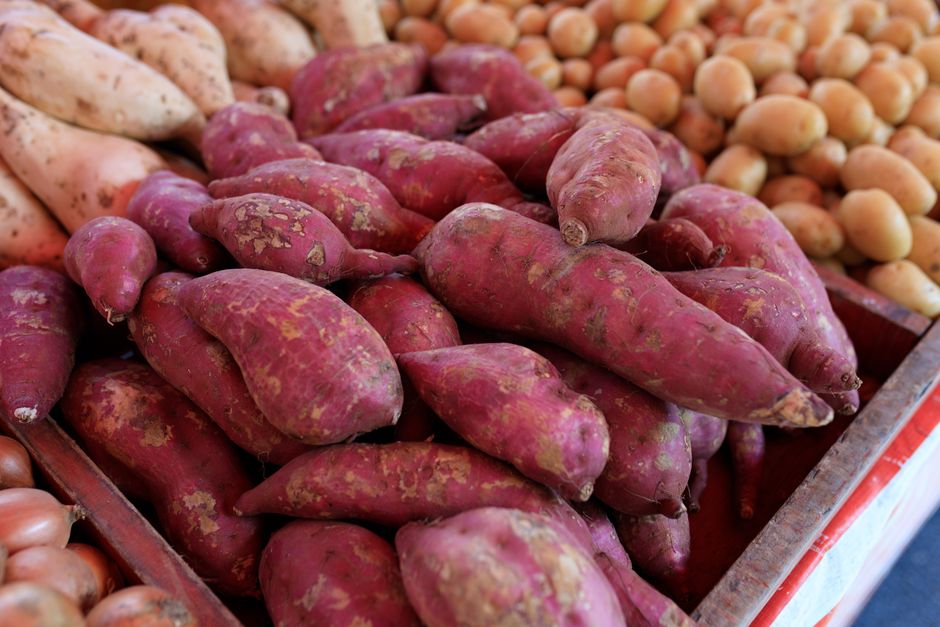
Sweet potatoes can cause bloating in some people, but they do not cause it in everyone. The reason comes down to how your gut handles certain carbohydrates and fiber. If you feel puffy or gassy after eating them, you are not imagining it — and you are not alone.
Most people digest sweet potatoes without much trouble. But the vegetable does contain compounds that can produce gas in the digestive tract, especially when you eat a large portion or eat them often. Whether you bloat depends on your portion size, how you cook them, and how your individual gut responds.
Why Do Sweet Potatoes Cause Bloating in Some People?
Sweet potatoes contain fermentable carbohydrates that your small intestine does not fully break down. When these compounds reach the large intestine, gut bacteria ferment them. That fermentation produces gas.
The main culprits are a type of carbohydrate called raffinose and fermentable fibers. Raffinose is a sugar your body lacks the enzyme to digest. It passes through to the colon, where bacteria break it down and release hydrogen, carbon dioxide, and in some people methane. That trapped gas is what creates the feeling of pressure and fullness.
Sweet potatoes also contain resistant starch, particularly when they are cooked and then cooled. Resistant starch resists digestion in the small intestine by design. It acts more like fiber, feeding gut bacteria in the colon. This is generally viewed as good for gut health, but it can trigger gas and bloating during the adjustment period.
This is the same basic mechanism behind bloating from beans, cabbage, and other high-fiber plant foods. It is a normal digestive process, not a sign that something is wrong.
Does Cooking Method Change How Much Sweet Potatoes Cause Bloating?
Cooking method affects how much resistant starch and fermentable material reaches your colon. It does not eliminate bloating entirely, but it can change your experience.
A baked sweet potato contains less resistant starch than one that has been cooked and then chilled. When you cool a cooked sweet potato, some of the starch retrogrades — it changes structure and becomes harder to digest. Reheating it does not fully undo this. So a cold sweet potato salad, or a baked sweet potato left in the fridge overnight, may produce more gas than one eaten hot from the oven.
Steaming and boiling tend to leave a softer, more digestible texture. Roasting at high heat caramelizes the natural sugars and can make the potato sweeter, which some people find easier and others find harder to handle.
The single biggest factor is usually portion size, not cooking method. A small serving is far less likely to cause bloating than a large one, regardless of how it was prepared.
How Much Sweet Potato Is Likely to Cause Bloating?
There is no universal threshold. Individual tolerance varies widely. Some people eat a large sweet potato with no symptoms. Others feel bloated after half of a medium one.
What matters is how much fermentable carbohydrate your gut is used to handling at one time. If you rarely eat high-fiber foods and then eat a big sweet potato, your gut bacteria get a sudden rush of fermentable material. The result is more gas than your system is accustomed to moving along.
If you eat sweet potatoes regularly, your gut bacteria adjust over time. Gas and bloating often decrease as your system adapts. This adaptation is real and well documented with fiber intake generally, though the timeline varies from person to person.
A practical approach many people find helpful is to start with a smaller portion — around half a cup — and see how you feel before increasing it. That is general guidance, not a clinical rule, because tolerance is so individual.





Is Bloating From Sweet Potatoes a Sign of a Digestive Problem?
Occasional bloating after eating sweet potatoes is normal. It does not mean you have a digestive disorder.
But if you bloat consistently, severely, or after many different foods — not just sweet potatoes — that pattern may point to something worth discussing with a doctor. Conditions that can cause frequent bloating include irritable bowel syndrome, small intestinal bacterial overgrowth, and certain carbohydrate malabsorption issues.
Sweet potatoes are high in a group of fermentable carbohydrates sometimes called FODMAPs. People with irritable bowel syndrome are often sensitive to these compounds. For them, sweet potatoes can reliably trigger symptoms. This does not mean sweet potatoes are harmful. It means certain guts react to fermentable carbohydrates more strongly than others.
If bloating comes with pain, changes in bowel habits, or weight loss, that is a reason to see a clinician. Those symptoms deserve a proper evaluation rather than a dietary workaround.
How Can You Reduce Bloating From Sweet Potatoes?
You can often reduce bloating without giving up sweet potatoes. A few adjustments tend to help.
- Eat a smaller portion and build up gradually over days or weeks.
- Eat them hot rather than chilled to lower resistant starch content.
- Pair them with other foods rather than eating a large amount alone.
- Chew thoroughly to begin digestion before the food reaches your gut.
- Stay hydrated, since fiber needs water to move through the digestive tract.
- Keep track of how you feel to find your own tolerance level.
Some people find that peeled sweet potatoes are easier to handle than unpeeled ones, since the skin carries extra fiber. Others notice no difference. Personal tracking is the only reliable way to know what works for you.
If these steps do not help and bloating is a persistent problem, a doctor or registered dietitian can help you identify the specific trigger. A structured elimination approach is best done with professional guidance, not by cutting out foods one by one on your own.
Are Sweet Potatoes Still Worth Eating If They Bloat You?
For most people, yes. Sweet potatoes are a genuine source of nutrition. They provide vitamin A in the form of beta-carotene, vitamin C, potassium, and fiber.
According to USDA nutritional data, one medium baked sweet potato with skin provides roughly 100 calories, about 4 grams of fiber, and well over 100 percent of the daily value for vitamin A. Those are meaningful numbers. The bloating that some people experience is a comfort issue, not a reason to consider the food unhealthy.
The gas-producing compounds are the same ones tied to the fiber and fermentable content that feed beneficial gut bacteria. The thing that causes bloating is, in part, the thing that makes the food good for your gut. That is the trade-off.
If sweet potatoes consistently cause you real discomfort, you have options. You can eat them less often, in smaller amounts, or swap them for lower-FODMAP starches like white rice or potatoes. There is no rule that says you must eat any single food. The goal is a diet you can actually live with.
Do Other Foods Cause the Same Kind of Bloating?
Yes. Sweet potatoes are not unique. Many healthy plant foods contain fermentable carbohydrates that can produce gas.
Beans, lentils, cabbage, broccoli, cauliflower, onions, and garlic are common triggers. So are apples, pears, and wheat in some people. The mechanism is the same: undigested carbohydrates fermenting in the colon and producing gas.
If you bloat from several of these foods, the common thread is likely fermentable carbohydrate load rather than sweet potatoes specifically. That is useful information, because it means the fix is usually about total intake and tolerance, not about banning one vegetable.
Frequently Asked Questions
Will sweet potato cause bloating every time I eat it?
No, not for everyone. Some people digest sweet potatoes with no symptoms, while others bloat consistently depending on portion size and individual gut sensitivity.
How much sweet potato is safe to eat without bloating?
There is no fixed amount that applies to everyone. Starting with about half a cup and increasing gradually is a common approach, since tolerance is highly individual.
Does reheating a sweet potato reduce bloating?
Reheating can lower resistant starch somewhat but does not fully reverse the changes from cooling. Eating sweet potatoes hot rather than cold generally means less resistant starch reaches your colon.
When should I worry about bloating after eating sweet potatoes?
Occasional mild bloating is normal and not a concern. See a doctor if bloating is severe, persistent, or comes with pain, bowel changes, or weight loss.
