

SIBO — small intestinal bacterial overgrowth — is frustrating. You treat it, feel better, then months later the bloating and discomfort return. The honest answer to whether SIBO ever goes away is: it depends on the cause. For some people, one round of treatment and a diet change resolves it permanently. For others, SIBO is a chronic condition that requires ongoing management. Research shows that relapse rates are high — some studies suggest around 40-60% of people experience a recurrence within a year. But understanding what drives SIBO and how to address the root causes can dramatically improve your odds. This article explains what the evidence actually says about treatment, diet, and preventing relapse.
What Exactly Is SIBO and Why Does It Keep Coming Back?
SIBO stands for small intestinal bacterial overgrowth. Normally, your small intestine has relatively few bacteria. Most of your gut bacteria live in the large intestine. In SIBO, bacteria that belong in the large intestine move up into the small intestine and multiply. This causes gas, bloating, abdominal pain, diarrhea or constipation, and nutrient malabsorption.
The reason SIBO often comes back is that the underlying problem is rarely just the bacteria themselves. Something allowed those bacteria to move into the small intestine and stay there. Common root causes include low stomach acid, poor motility in the small intestine, structural issues from surgery, or conditions like diabetes and hypothyroidism that slow digestion. The CDC reports that conditions affecting gut motility are a major risk factor for SIBO recurrence.
If you treat the bacteria but do not fix the motility or the structural issue, the bacteria will likely return. This is why antibiotics alone often fail long-term. A study published in the American Journal of Gastroenterology found that after successful SIBO treatment, about 44% of patients relapsed within nine months. The highest relapse rates were in people with underlying motility disorders.
Can SIBO Be Cured Permanently?
The word “cure” is tricky with SIBO. For some people, yes — SIBO can go away and never come back. This is more likely when the cause is a one-time event, like food poisoning that temporarily slowed motility. If the gut heals fully, the bacteria may not return.
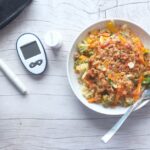
For people with chronic conditions like diabetes, scleroderma, or long-term use of acid-blocking medications, SIBO is more likely to be a recurring problem. In these cases, the goal shifts from “cure” to “long-term management.” You can achieve long periods without symptoms, but you may need periodic treatment or ongoing dietary adjustments.
Research published in Clinical Gastroenterology and Hepatology followed SIBO patients for two years. About 30% remained symptom-free after one round of treatment. The other 70% needed either a second treatment or ongoing management. This is not a failure — it is realistic. The key is identifying which group you fall into and planning accordingly.
What Does Standard SIBO Treatment Actually Involve?
Standard treatment has two main parts: killing the excess bacteria and fixing the underlying cause. The killing step usually involves antibiotics. Rifaximin is the most studied antibiotic for SIBO. It stays in the gut and does not enter the bloodstream much, which makes it safer for long-term use. Research published in the New England Journal of Medicine shows rifaximin improves symptoms in about 60-70% of people with SIBO.
Herbal antibiotics are another option. A study in Global Advances in Health and Medicine compared rifaximin to a combination of herbal extracts — oregano oil, berberine, and allicin. The herbal group had similar success rates to the antibiotic group, about 46% versus 34% for symptom improvement. This suggests that for people who cannot tolerate antibiotics or prefer natural options, herbal treatments are a reasonable choice.
But here is what many articles leave out: antibiotics alone, whether pharmaceutical or herbal, often fail if you do not address motility. The bacteria were able to take hold because the small intestine was not moving food through fast enough. Without fixing that, the bacteria will recolonize. Prokinetic drugs or supplements that stimulate motility are increasingly recognized as essential for preventing relapse.

What Is the Best Diet for SIBO and Does It Actually Help?
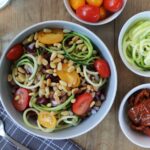
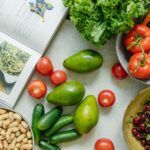
Diet is a tool, not a cure. No diet alone has been proven to eliminate SIBO permanently. But diet can reduce symptoms significantly and may help prevent relapse. The most common diet used for SIBO is the low-FODMAP diet. FODMAPs are fermentable carbohydrates that feed bacteria. When you reduce them, bacteria have less food, so they produce less gas and bloating.
Research on the low-FODMAP diet for SIBO shows it reduces symptoms in about 50-70% of people during the elimination phase. But it does not kill the bacteria. It starves them temporarily. Once you reintroduce FODMAPs, symptoms often return if the bacteria are still there. A 2020 review in Nutrients concluded that the low-FODMAP diet is effective for symptom management but should not replace antimicrobial treatment.
The Specific Carbohydrate Diet (SCD) and the Bi-Phasic Diet are also used. These are more restrictive than low-FODMAP. The evidence for these diets is weaker — mostly small studies or anecdotal reports. They may work for some people, but they are hard to follow long-term and can lead to nutrient deficiencies if not carefully managed.
A better approach is to use diet strategically. During treatment, reduce fermentable foods to lower the bacterial load. After treatment, slowly reintroduce foods while monitoring symptoms. The goal is not to stay on a restrictive diet forever. It is to find your personal tolerance threshold and maintain a varied, nutrient-rich diet that supports gut health.
How to Prevent SIBO Relapse: What the Research Shows
Preventing relapse is where most SIBO treatment plans fail. The standard approach — antibiotics and diet — works for the acute phase. But without a relapse prevention plan, recurrence is common. The strongest evidence for preventing relapse supports using a prokinetic agent after the initial treatment.
Prokinetics are drugs or supplements that increase the motility of the small intestine. They help sweep bacteria out before they can multiply. A study in Gastroenterology followed SIBO patients who took the prokinetic drug low-dose naltrexone after treatment. Those who took it had a significantly lower relapse rate over six months compared to those who did not. Another study using erythromycin as a prokinetic showed similar results.
Natural prokinetics are also used, though the evidence is less strong. Ginger and artichoke extract are commonly recommended. Some small studies suggest they improve motility, but large-scale trials are lacking. The American College of Gastroenterology notes that while prokinetics are promising, more research is needed to confirm their role in SIBO relapse prevention.
Other strategies with moderate evidence include:
- Addressing underlying conditions like hypothyroidism or diabetes
- Discontinuing unnecessary acid-blocking medications
- Eating smaller, more frequent meals to reduce the digestive load
- Avoiding long periods between meals — the migrating motor complex needs fasting periods to work properly
The table below summarizes the main approaches to SIBO relapse prevention based on current evidence.
| Strategy | Strength of Evidence | Notes |
|---|---|---|
| Prokinetic medication (low-dose naltrexone, erythromycin) | Strong — multiple studies show reduced relapse | Requires prescription; side effects vary |
| Natural prokinetics (ginger, artichoke) | Moderate — some small studies, not conclusive | Generally safe; may help mild cases |
| Low-FODMAP diet long-term | Weak — not intended for long-term use | Risk of nutrient deficiency; use only short-term |
| Treating underlying conditions | Strong — essential for long-term success | Requires medical workup |
| Intermittent fasting (to support motility) | Moderate — some evidence, more research needed | Must be done carefully to avoid malnutrition |
Common Misconceptions About SIBO That Hurt Recovery
A widespread myth is that SIBO is caused by eating too many carbs. This is not accurate. Carbohydrates feed bacteria, but the real problem is that the bacteria are in the wrong place. Healthy people eat plenty of carbs without getting SIBO because their small intestine moves food through quickly and their immune system keeps bacterial levels low. Blaming carbs alone misses the point.
Another misconception is that you need to stay on a restrictive diet forever. This is not supported by evidence. Long-term restrictive diets can lead to nutrient deficiencies, weight loss, and disordered eating. The goal should always be to treat the underlying problem and expand your diet as much as possible. If you need to stay on a strict diet to feel okay, the SIBO has not been fully addressed.
A third myth is that probiotics are always helpful for SIBO. Some probiotics can actually make SIBO worse by adding more bacteria to the small intestine. The research is mixed. A 2018 review in Digestive Diseases and Sciences found that certain probiotic strains, particularly spore-based ones, may help, while others may worsen symptoms. The key is strain-specific evidence, which most products do not provide. It is best to work with a knowledgeable clinician before taking probiotics for SIBO.
Finally, many people believe that a negative breath test means SIBO is gone. Breath tests are useful but not perfect. They can miss SIBO in people with methane-dominant overgrowth or those who have fast transit times. A negative test does not always mean the bacteria are gone. Clinical improvement is a better marker of success than a test result alone.
Will SIBO Ever Go Away Treatment Diet And Relapse? The Bottom Line
The answer depends heavily on your specific situation. For people with a clear, reversible cause — like a single episode of food poisoning or temporary antibiotic use — SIBO can go away permanently with proper treatment. For people with chronic conditions affecting gut motility, SIBO is more likely to be a recurring condition that requires ongoing management.
Treatment that addresses both the bacteria and the underlying cause has the best chance of long-term success. Diet helps manage symptoms but is not a cure. Preventing relapse requires a plan that includes supporting motility, treating underlying conditions, and using prokinetics when indicated. Research published in the World Journal of Gastroenterology emphasizes that without addressing motility, relapse rates remain high.
If you have SIBO, the most important step is to get a thorough evaluation to identify why it developed in the first place. Work with a gastroenterologist who understands SIBO and its root causes. Avoid quick fixes and restrictive diets that promise a cure. Focus on building a sustainable plan that treats the whole picture — bacteria, motility, diet, and underlying health conditions.
Frequently Asked Questions
Can SIBO go away on its own without treatment?
It is very unlikely. SIBO rarely resolves without treatment because the underlying cause — usually poor motility or structural issues — does not fix itself. Most people need antibiotics, herbal antimicrobials, or a combination to clear the overgrowth.
How long does it take to treat SIBO with antibiotics?
A typical course of rifaximin lasts 14 days. Some people need one or two additional rounds if symptoms persist. Herbal treatments usually take 4-6 weeks.
What foods should I avoid during SIBO treatment?
High-FODMAP foods are the main ones to reduce — garlic, onions, wheat, beans, dairy, and certain fruits. A low-FODMAP diet during treatment helps reduce symptoms but should not replace antimicrobial therapy.
Will I need to take prokinetics forever to prevent relapse?
Not necessarily. Some people benefit from short-term prokinetic use for 3-6 months after treatment. Others with chronic motility issues may need long-term support. Your doctor can help determine the right duration based on your underlying condition.
