

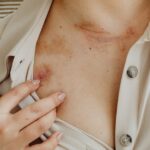
A second-degree burn damages the top layer of skin and the layer beneath it, called the dermis. Because the dermis contains the structures that create new skin, scarring is a real possibility, but it is not guaranteed. Whether a scar forms depends mostly on how deep the burn is, how it is treated in the first few weeks, and your own skin’s healing response.
What Exactly Is a Second Degree Burn?
Doctors divide burns into categories based on how many layers of skin are damaged. A first-degree burn, like a mild sunburn, only affects the outer layer, the epidermis. It heals without scarring.
A second-degree burn goes deeper. It damages the entire epidermis and part of the second layer, the dermis. The dermis holds blood vessels, nerve endings, hair follicles, and collagen. Collagen is the protein that gives skin its structure. When the dermis is injured, the body has to rebuild that structure. That rebuilding process is what creates a scar.
You will often hear second-degree burns described as “partial thickness” burns. That term is accurate because the damage does not go all the way through the dermis. How far it goes into the dermis makes a major difference in whether you will be left with a scar.
Why Do Some Second Degree Burns Scar and Others Do Not?
The depth of the burn is the single most important factor. A superficial second-degree burn reaches only the upper part of the dermis. The deeper layers, including the hair follicles and sweat glands, survive. Skin cells from those surviving structures can regrow the surface without significant scarring.
A deep second-degree burn extends further into the dermis. More of the skin’s regenerative structures are destroyed. The body responds by laying down collagen fibers quickly to close the wound. That rapid collagen production is the scar. It looks and feels different from normal skin because the collagen fibers are arranged in a dense, parallel pattern rather than the flexible, basket-weave pattern of healthy skin.
This is why two people with burns that look similar at first can end up with very different outcomes. The visible difference between a superficial and a deep second-degree burn is not always obvious in the first day or two.
How Long Does It Take for a Second Degree Burn to Heal?
Healing time is a strong indicator of whether scarring will occur. A superficial second-degree burn typically heals within two to three weeks. Burns that heal in this timeframe often leave little to no permanent scar, though the skin may remain pink or discolored for months afterward.
Burns that take longer than three weeks to heal are at much higher risk for noticeable scarring. The longer the wound stays open, the more inflammation the skin experiences, and the more collagen the body deposits. Deep second-degree burns can take three to four weeks or more to close. Many of these will leave a permanent scar.
If a burn has not healed within two weeks, it is worth having a doctor reassess it. Some burns that initially look like second-degree burns are actually deeper than they appear. In those cases, a skin graft may be recommended to speed healing and reduce scarring.



Will Second Degree Burns Scar Without Proper Wound Care?
No. Wound care is not optional if you want to minimize scarring. How you manage the burn in the first weeks directly affects the final appearance of your skin.
Infection is the biggest threat. An infected burn takes longer to heal, which means more scarring. Signs of infection include increased pain, redness spreading beyond the burn edge, swelling, pus, or red streaks moving away from the wound. A fever with a burn is also a warning sign that requires medical attention.
Keeping the wound moist is important. A burn that dries out forms a hard crust that slows healing and increases scar formation. A doctor may recommend a specific burn dressing or an antibiotic ointment. Over-the-counter options exist, but you should ask a healthcare provider before applying anything to a burn that covers a large area or is on your face, hands, feet, or genitals.
Do not pop blisters that form on a burn. An intact blister is a natural, sterile dressing. It protects the raw skin underneath while it heals. If a blister breaks on its own, clean the area gently with mild soap and water, apply an antibiotic ointment, and cover it with a sterile bandage.
What Treatments Reduce Scarring After a Burn?
Once the burn has closed and new skin has formed, the focus shifts to managing the scar as it matures. Scars do not stop changing when the wound closes. They can remain active for six months to a year or longer.
Silicone sheets or gels are the most widely studied treatment for preventing and reducing hypertrophic scars, which are raised, red scars. Silicone creates a protective layer that keeps the scar hydrated and may help regulate collagen production. These products are applied daily once the skin has fully closed.
Pressure garments are sometimes used for larger burns. They apply constant pressure to the healing skin, which may help keep the scar flat. These are custom-fitted and typically worn for months. They are most commonly recommended for burn injuries that cover a significant area.
Massage therapy on the healed scar can help break up tight collagen fibers and improve flexibility. Gentle massage with a moisturizer or oil, once the wound is fully closed, is a common recommendation from burn specialists and physical therapists.
Sun protection is essential. New scar tissue has no pigment protection. Sun exposure can darken a scar permanently and make it more visible. Keep the healed burn covered or use a high-SPF sunscreen for at least a year after the injury.
When Should You See a Doctor for a Second Degree Burn?
Some second-degree burns require professional medical care from the start. You should see a doctor or go to urgent care if the burn is larger than about three inches in diameter, if it is on your face, hands, feet, joints, or groin, or if it circles around an arm or leg completely.
Burns on these areas are at higher risk for functional problems. Scarring on a joint like a finger or knee can limit movement. Scarring on the face can affect expression and eyelid function. These situations benefit from early evaluation by a burn specialist or plastic surgeon.
You should also seek medical care if the burn was caused by electricity, chemicals, or an explosion. These burns can be deeper than they appear on the surface. If you have diabetes, a weakened immune system, or poor circulation, any burn should be evaluated by a doctor because your healing capacity is reduced.
Can You Tell If a Burn Will Scar Before It Heals?
Not reliably in the early days. A burn’s final depth can be difficult to judge immediately after injury. Some burns look superficial at first and then deepen over the following days. Others that look alarming heal beautifully.
One clue is whether the burn blanches, or turns white when you press on it and then refills with color. Burns that blanch well tend to be more superficial. Burns that do not blanch, or that appear waxy, leathery, or have a fixed mottled appearance, are likely deeper. But these are not perfect indicators, and a healthcare professional is the right person to make that determination.
Another clue is sensation. A superficial second-degree burn is typically very painful because the nerve endings are irritated. A deeper burn may be less painful because the nerve endings themselves have been destroyed. Reduced pain in a burn that looks severe is not a good sign.
Frequently Asked Questions
Will second degree burns always leave a scar?
No. Burns that heal within two to three weeks often leave little to no permanent scarring. Deeper second-degree burns that take longer to heal have a much higher chance of leaving a visible scar.
How do I know if my burn is healing normally?
Normal healing involves decreasing pain, the formation of new pink skin from the edges inward, and no signs of infection. If the burn shows no improvement within a week or you see spreading redness, pus, or increased pain, see a doctor.
What is the best cream to prevent burn scars?
Silicone gel or sheets are the most evidence-based products for reducing scar formation after a burn has closed. Antibiotic ointments help prevent infection during healing but do not directly prevent scarring.
How long does it take for a second degree burn scar to fade?
Scars can take six months to a year or more to fully mature. They often start red and raised, then gradually flatten and lighten over time. Sun protection during this period is critical to prevent permanent darkening.
