
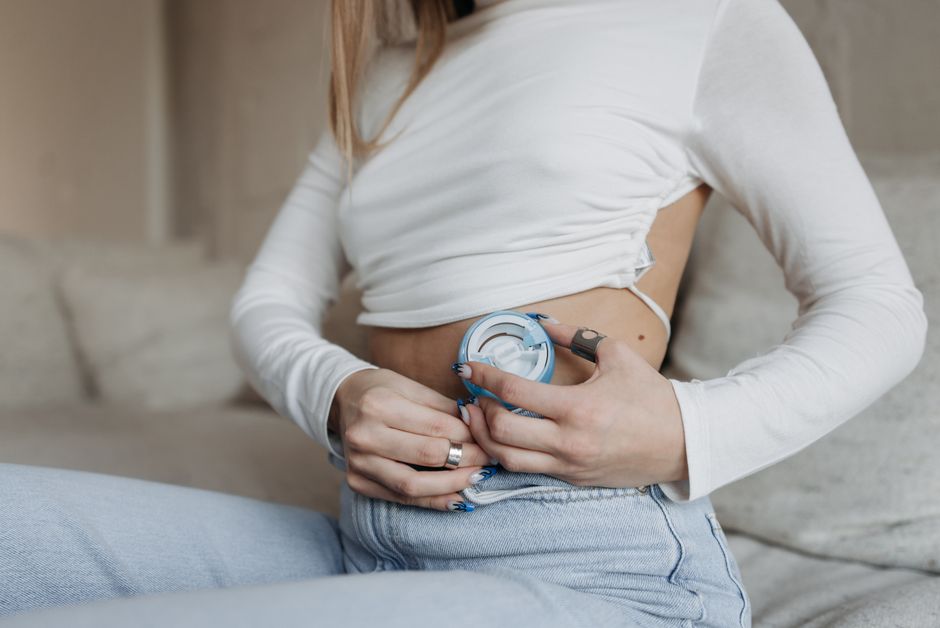
Can nipple stimulation actually start labor? The short answer is: it can, but it usually does not on its own, and the effect is unpredictable. Nipple stimulation causes the body to release oxytocin, the same hormone that drives uterine contractions during labor. That is a real physiological effect, not a myth. But most people who pump or stimulate their nipples near the end of pregnancy do not go into labor from it. When it does work, it is typically slow and inconsistent, and it is not a reliable method for starting labor on demand.
Will Pumping Cause Labor?
Pumping can cause uterine contractions, and in some cases those contractions can lead to labor. The mechanism is well understood. Nipple stimulation triggers the release of oxytocin from the pituitary gland, and oxytocin is the hormone that causes the uterus to contract. This is the same hormone used in medical settings to induce or speed up labor.
The key word is “can,” not “will.” Research on nipple stimulation as a method of labor induction has produced mixed results. Some studies show it can increase uterine activity and may shorten the time until labor begins. Others show no meaningful difference compared to doing nothing. The effect appears to depend on how far along the pregnancy is, how the stimulation is done, and individual factors that are not fully understood.
What is clear: pumping is not a guaranteed way to start labor. It is also not risk-free, which is why anyone considering it should talk to their doctor or midwife first.
How Does Nipple Stimulation Trigger Contractions?
The pathway from nipple stimulation to uterine contraction is a straightforward hormonal chain. When nerve endings in the nipples are stimulated, signals travel to the brain and prompt the release of oxytocin into the bloodstream. Oxytocin then binds to receptors in the uterine muscle, causing it to contract.
This is the same reflex that helps a breastfeeding parent’s uterus shrink back to its normal size after birth. It is also why some people feel cramping while breastfeeding in the days after delivery. The reflex is real and well documented.
What varies is how sensitive the uterus is to oxytocin at any given moment. Late in pregnancy, the uterus has more oxytocin receptors and is more responsive. Early in pregnancy, it is far less responsive. That is one reason nipple stimulation is not considered a method that would work at any stage of pregnancy.
There is a second layer to this. Oxytocin release from nipple stimulation is pulsatile, not steady. It comes in bursts. That makes the resulting contractions irregular and hard to predict. Medical induction with synthetic oxytocin, by contrast, uses controlled doses delivered at a steady rate so contractions can be monitored and adjusted.
Is There Evidence That It Actually Works?
The evidence is mixed and generally low quality. Some small studies have found that nipple stimulation increased uterine activity or led to shorter labors. Others found no significant effect. Many of these studies were small, used different methods of stimulation, and measured different outcomes, which makes them hard to compare.
This is an area where clinical practice and strong evidence do not fully line up. Some clinicians mention nipple stimulation as a low-cost option that may help nudge things along. Others do not recommend it because the evidence is not strong enough to rely on and because there are safety concerns.
The honest position is this: nipple stimulation may have some effect on starting labor, but no large, high-quality trial has confirmed it as a reliable method. It should not be treated as a substitute for medical induction when induction is medically needed.




What Are the Risks of Pumping to Induce Labor?
The main risk is that contractions become too strong or too frequent. Strong, prolonged contractions can reduce blood flow to the placenta, which can affect the baby’s oxygen supply. This is a serious concern, not a minor one.
Other risks include:
- Contractions that are painful but do not lead to labor, causing unnecessary discomfort and exhaustion
- Uterine hyperstimulation, where contractions come too close together
- Going into labor before the body or baby is ready, which can lead to other interventions
- Fetal distress if contractions reduce oxygen flow
These risks are why medical induction is done in a monitored setting. If something goes wrong, staff can respond immediately. Pumping at home does not come with that safety net.
There is also the question of timing. Using a breast pump to stimulate labor before the pregnancy is full term is not something to do on your own. It could, in theory, contribute to preterm labor, though the evidence on this specific risk from pumping is not well established.
When Should You Not Try This?
Nipple stimulation to induce labor is not appropriate for everyone. You should not attempt it without talking to your doctor or midwife first, and there are situations where it should be avoided entirely.
Situations where it is generally not recommended include:
- Placenta previa or other conditions where vaginal delivery is not planned
- A history of preterm labor or cervical insufficiency
- Multiple pregnancy (twins or more), where the risks of preterm labor are higher
- Any pregnancy where the baby is not full term
- Previous uterine surgery, including some types of cesarean delivery
- Any condition where contractions could cause harm to you or the baby
If you are past your due date and want to avoid medical induction, that is a conversation to have with your care team. They know your history and can tell you whether nipple stimulation is reasonable for you specifically.
How Does It Compare to Other Methods?
People try many things to start labor at home, and it helps to know where nipple stimulation sits relative to the alternatives. Most home methods have weak evidence behind them.
| Method | Evidence | Notes |
|---|---|---|
| Nipple stimulation | Mixed, low quality | Real hormonal effect; results inconsistent |
| Walking | No strong evidence | Generally considered safe if pregnancy is uncomplicated |
| Castor oil | Weak evidence | Can cause severe diarrhea and dehydration; not recommended |
| Sexual intercourse | Weak evidence | Semen contains prostaglandins, but effect is unproven |
| Medical induction | Well established | Done in a monitored setting with controlled medications |
The pattern here is that home methods are mostly unproven, and the one reliable option is medical induction. That does not mean home methods never work. It means we do not have good evidence that they do, and some carry real risks.
What Should You Do If You Want to Avoid Medical Induction?
Talk to your provider. That is the practical answer, and it is not a brush-off. Induction decisions depend on your due date, your health, your baby’s health, and your preferences. There is no single right answer, and the risks of waiting versus inducing change based on your specific situation.
If you are considering nipple stimulation, ask your provider:
- Is there any medical reason I should not try this?
- How would I know if contractions are becoming too strong?
- At what point should I stop and call you?
- What are the signs I should go to the hospital?
Signs that warrant immediate contact with your provider include contractions that are regular and getting stronger, bleeding, fluid leaking, or reduced fetal movement. These are not things to wait out at home.
One more point worth making: being past your due date is common and usually not an emergency on its own. Due dates are estimates, and many healthy pregnancies go past them. The decision to induce is about balancing risks, and that balance is different for every pregnancy.
Frequently Asked Questions
Can pumping actually put you into labor?
It can trigger contractions and may lead to labor in some cases, but it is not reliable. Most people who try it do not go into labor from pumping alone.
How long does it take for nipple stimulation to cause contractions?
Some people notice contractions within minutes of starting stimulation, while others notice nothing at all. There is no consistent timeline, and the response varies widely from person to person.
Is it safe to use a breast pump to induce labor at home?
It carries real risks, including contractions that become too strong and reduce blood flow to the baby. Talk to your doctor or midwife before trying it.
Does nipple stimulation work better than other home methods?
The evidence does not clearly show that it works better than other home methods, most of which are also unproven. Medical induction remains the only reliably effective option when induction is needed.
