
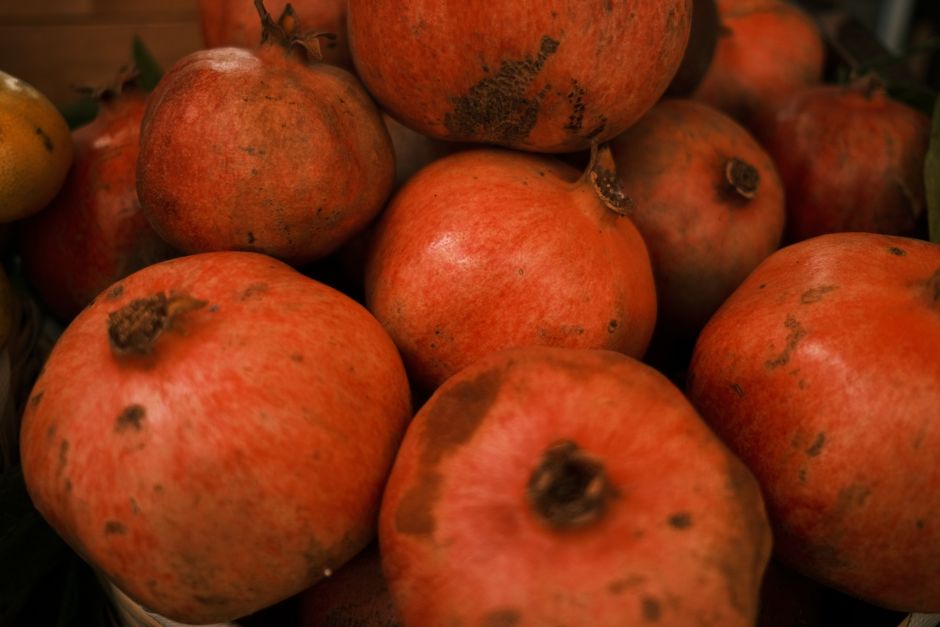
Pomegranate does not typically make you poop in the urgent, loose-stool sense that prunes or a large dose of magnesium might. What it can do is help move a sluggish bowel along, thanks to fiber in the seeds and some evidence that the fruit affects gut activity. For most healthy adults, eating pomegranate is more likely to support regularity than to cause diarrhea.
The catch is that “pomegranate” can mean several different things — the arils (the juicy seeds), the juice, the concentrated extract in a supplement, or the powdered peel. Each has a different fiber content and a different effect on digestion. The type you eat matters more than the fruit’s reputation.
Does Pomegranate Help With Constipation or Make It Worse?
For most people, pomegranate leans toward helping constipation rather than causing it. The main reason is fiber. Pomegranate arils contain both soluble and insoluble fiber, and fiber adds bulk and water to stool, which can make it easier to pass.
That said, the effect is modest compared with foods known specifically for laxative action. Pomegranate is not in the same category as prunes, which contain sorbitol and other compounds with a well-documented effect on bowel frequency. Pomegranate’s benefit is more of a general “this is a high-fiber fruit” benefit than a targeted constipation remedy.
There is also a separate line of research worth knowing about. Some studies have looked at pomegranate in the context of diarrhea and gut infections, not constipation. In those settings, certain pomegranate compounds appear to have a constipating or anti-diarrheal effect rather than a laxative one. This is a useful clue about how the fruit can act in both directions depending on dose, form, and the person.
So the honest answer is: pomegranate is unlikely to cause urgent bowel movements in a healthy person eating normal amounts. It may gently support regularity. And in concentrated or medicinal forms, the effect can flip toward slowing the gut rather than speeding it up.
Will Pomegranate Make You Poop? Constipation Facts About Fiber
The fiber content is the core of the story. Pomegranate arils are a meaningful source of dietary fiber, and fiber is one of the most reliable dietary levers for bowel regularity.
Here is how fiber works in plain terms. Insoluble fiber does not dissolve in water. It adds bulk to stool and helps it move through the colon. Soluble fiber dissolves into a gel-like substance. It can soften stool and also feeds beneficial gut bacteria. Pomegranate provides both types, mostly concentrated in the seeds themselves.
One important practical point: the fiber is in the seed, not the juice. If you drink pomegranate juice and spit out or strain the seeds, you are getting very little fiber. Juice is mostly water, sugar, and some micronutrients. That distinction explains why two people can eat “pomegranate” and have completely different digestive experiences.
- Whole arils: meaningful fiber, gentle bulk-forming effect
- Bottled juice: little to no fiber, minimal effect on constipation
- Powdered seed or peel supplements: variable fiber, variable effect
- Concentrated extract capsules: often studied for other purposes, not regularity
If your goal is regularity, the whole fruit is the version that matters. Juice is not a fiber source, and treating it as one is a common mistake.
How Much Pomegranate Is Too Much for Your Digestion?
There is no official recommended serving of pomegranate specifically for bowel health, and no clinical guideline sets a threshold for when it starts causing digestive trouble. What is well established is the general principle that adding a lot of fiber quickly can cause gas, bloating, and cramping — even when the fiber itself is healthy.
This is the most likely way pomegranate could upset your gut. If you go from eating little fiber to eating a large bowl of arils, your colon bacteria ferment that fiber and produce gas. That can feel like a lot of activity in your abdomen. It is not the same as a laxative effect, but it can be uncomfortable.
For most healthy adults, a normal serving — roughly the arils from half to one whole fruit — is well tolerated. People with irritable bowel syndrome or other sensitive-gut conditions may react to smaller amounts, and the response varies a lot from person to person.
The practical approach is to increase fiber gradually and drink enough water alongside it. Fiber without adequate fluid can actually make constipation worse, because bulk without water is harder to pass. This is a genuine and often overlooked point.
Does Pomegranate Juice Have the Same Effect?
No. Pomegranate juice and pomegranate arils affect your digestion differently, mainly because juice has almost no fiber.
Juice does contain sugars, including fructose, and for some people a large amount of fructose can draw water into the gut and loosen stool. This is a real mechanism, but it depends heavily on the individual and the amount. Many people drink pomegranate juice with no bowel effect at all.
There is one more consideration with juice. Some research on pomegranate juice has looked at compounds called ellagitannins and their interaction with gut bacteria. These compounds are metabolized by gut microbes into other substances. That research is interesting but is mostly about other health questions, not about constipation. It does not establish juice as a laxative.
If you are choosing pomegranate specifically to help with constipation, whole arils are the sensible choice. Juice is not a substitute for fiber.
Can Pomegranate Ever Cause Diarrhea or an Upset Stomach?
It can, but usually for reasons other than a direct laxative effect.
The most common causes of pomegranate-related digestive upset are eating a large amount of fiber too quickly, sensitivity to fructose in the juice, or a personal intolerance. Some people simply do not digest certain fibers well, and pomegranate is no exception.
There is also a lesser-known issue with pomegranate peel and concentrated extracts. These contain higher levels of tannins and other plant compounds. In larger amounts, tannins can have a binding, drying effect on the gut — the opposite of a laxative. This is one reason concentrated pomegranate products should not be treated the same as eating the fruit.
If you notice loose stools or cramping after eating pomegranate, the amount and the form are the first things to look at. Cutting back on the serving size usually resolves it.
Is Pomegranate a Good Choice for Constipation?
It is a reasonable choice as part of a high-fiber diet, but it is not a standout constipation remedy on its own.
Foods with stronger, more specific effects on bowel frequency include prunes, which have been studied directly for constipation, and other fiber-rich fruits and vegetables. Pomegranate fits into the broader category of “eat more plants and fiber” rather than “eat this one thing to fix constipation.”
If constipation is persistent, dietary fiber alone often is not enough. Chronic constipation can have many causes, including medication side effects, thyroid problems, low fluid intake, inactivity, and pelvic floor issues. A change in bowel habits that lasts more than a few weeks, or that comes with blood in the stool, unexplained weight loss, or severe pain, is a reason to see a doctor rather than adjust your fruit intake.
Pomegranate is a nutritious fruit. It is not a treatment for constipation, and it is not a reliable way to make yourself poop. Treating it as either overstates what the evidence supports.
Frequently Asked Questions
Will pomegranate make you poop?
For most healthy adults, pomegranate does not cause an urgent or sudden bowel movement. Its fiber content may gently support regularity, but it is not a strong laxative like prunes.
Does pomegranate juice help with constipation?
Pomegranate juice has almost no fiber, so it is not a useful choice for constipation. Whole arils are the version that provides fiber.
Can eating too much pomegranate cause diarrhea?
It can cause gas, bloating, or loose stools in some people, usually from eating a large amount of fiber too quickly. Cutting back on the serving size typically resolves it.
Is pomegranate good for constipation?
It can be a helpful part of a high-fiber diet, but it is not a standout constipation remedy. Foods like prunes have more specific evidence for improving bowel frequency.
