
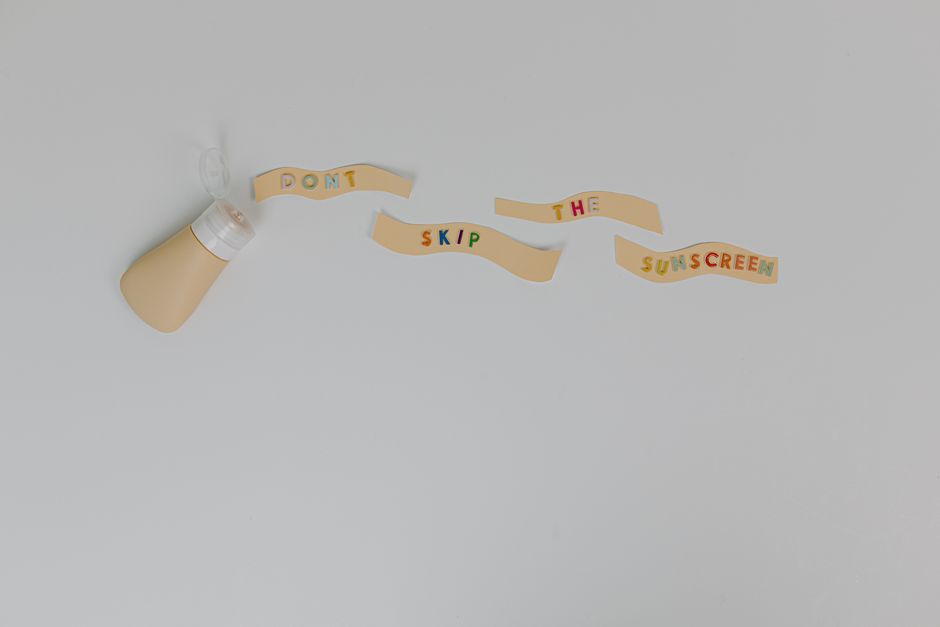
Lotion can help a sunburn, but only certain kinds. A plain, fragrance-free moisturizer can ease tightness and support the skin while it heals. Lotions that contain alcohol, fragrance, or numbing agents like benzocaine can irritate damaged skin or cause problems of their own. The right lotion is a comfort measure, not a treatment for the burn itself.
What Does Sunburn Actually Do to Your Skin?
Sunburn is damage from ultraviolet radiation. UV light injures the DNA in skin cells and triggers inflammation. That inflammation is what produces the redness, warmth, swelling, and pain that show up a few hours after sun exposure.
When the damage is severe enough, the body clears out injured cells. That is why a bad sunburn can blister and later peel. Peeling skin is dead skin being shed. It is a sign of how deep the injury went, not a step in a beauty routine.
The damaged outer layer of skin also loses moisture more easily. This is why sunburned skin often feels tight, dry, and rough. The skin barrier is temporarily weakened. That is the exact problem a good lotion is designed to address.
Will Lotion Help Sunburn?
Yes, a plain moisturizing lotion can help with comfort and support skin healing. It does not undo the UV damage or speed up the repair of injured cells. What it does is reduce water loss from the damaged outer layer and ease the tight, dry feeling that makes a sunburn so uncomfortable.
The key word is plain. The best choices are simple, fragrance-free moisturizers. These often contain ingredients like glycerin, hyaluronic acid, ceramides, or petrolatum. They hold water in the skin and help replace the barrier that UV damage has weakened.
Timing matters too. Applying lotion after a cool shower, while skin is still slightly damp, helps trap moisture. Reapplying a few times a day keeps the skin from drying out again as it heals.
One thing lotion cannot do is reverse the burn. There is no topical product that repairs UV-injured DNA or cancels out the inflammation once it has started. Lotion manages the surface symptoms. The deeper repair happens on its own over days to weeks.
Which Lotions Should You Avoid on a Sunburn?
Some lotions make a sunburn worse. The most common problem ingredients are fragrance, alcohol, and topical numbing agents. Damaged skin absorbs more and reacts more, so products that feel fine on healthy skin can sting or irritate a burn.
Fragrance is a frequent cause of allergic skin reactions, and sunburned skin is more vulnerable to them. Alcohol-based lotions can dry the skin further and cause a sharp sting when applied. Numbing ingredients like benzocaine deserve special caution.
Benzocaine is a common ingredient in sunburn and insect bite products. It can trigger a serious allergic reaction, and the FDA has warned about this risk, particularly with over-the-counter numbing sprays and gels. For sunburn, plain moisturizers are the safer choice.
- Skip fragrance — scented lotions are more likely to irritate damaged skin.
- Skip alcohol-based formulas — they dry skin and sting on contact.
- Skip numbing agents like benzocaine — allergic reaction risk is real.
- Skip petroleum jelly on fresh blisters — it can trap heat and bacteria in open areas.
- Avoid anything that stings — stinging is a sign the product is not right for broken skin.
If a lotion burns when you apply it, wash it off with cool water. That reaction is information. Your skin is telling you the product does not belong on damaged tissue.
Does Aloe Vera Help a Sunburn?
Aloe vera gel is one of the most popular sunburn remedies, and it does provide a cooling, soothing effect. The evidence for real healing benefit is limited, though. Some small studies suggest aloe may help minor burns, but the research is not strong enough to call it proven.
What aloe reliably does is feel cool and comfortable on hot, tight skin. That matters for comfort. Just check the label. Many aloe products contain added fragrance, alcohol, or dye, which can undo the benefit. Pure aloe gel kept in the refrigerator gives the strongest cooling effect without added irritants.
Aloe is not a substitute for medical care in a serious burn. If blisters cover a large area, or if you have signs of infection, the priority is getting evaluated, not applying gel.
What Else Helps a Sunburn Heal?
Cooling the skin, staying hydrated, and protecting the area from further sun are the foundation of sunburn care. Lotion is one part of that, not the whole plan.
Cool compresses or a cool shower can lower skin temperature and ease pain in the first hours. Drink extra water, because sunburn draws fluid to the skin surface and can leave you mildly dehydrated. Keep the burned area covered with loose clothing and out of direct sun until it heals.
For pain, over-the-counter options like ibuprofen or acetaminophen are commonly used. Ibuprofen also reduces inflammation, which may help with swelling and discomfort. Follow the label directions. Do not give aspirin to children or teenagers because of the risk of Reye’s syndrome, a rare but serious condition.
Do not pop blisters. A blister is a sterile cushion protecting the skin underneath. Breaking it opens a door for infection. If a blister breaks on its own, keep the area clean and covered with a light bandage.
When Is a Sunburn Serious Enough to See a Doctor?
Most sunburns heal on their own within a few days to a week, with peeling that can last longer. Some sunburns need medical attention. Knowing the signs matters, because severe sunburn is a real injury, not just a cosmetic problem.
Seek medical care if blisters cover a large portion of your body, or if you have severe pain that does not improve. Get help right away for signs of dehydration or heat illness, such as dizziness, confusion, rapid heartbeat, or fainting. These can signal heat exhaustion or heat stroke, which are emergencies.
Watch for infection in blistered or broken skin. Increasing redness, warmth, swelling, pus, or fever are warning signs. Also see a doctor if the burn does not improve after several days or seems to be getting worse.
Babies and young children are more vulnerable to sunburn and dehydration. A sunburn on an infant, or any sunburn with blisters in a young child, is worth a call to a clinician.
Does Lotion Prevent Peeling?
No. Peeling is part of the healing process, and no lotion stops it. The damaged outer layer has to shed. Moisturizing can make the peeling less uncomfortable and keep the new skin underneath from drying out, but it will not prevent the shed.
This is one of the most common misunderstandings about sunburn care. People apply lotion hoping to avoid peeling, then feel it failed when peeling happens anyway. The peeling was always going to happen. Lotion just makes the process more comfortable.
Resist the urge to pick or peel skin yourself. Pulling at skin that is not ready can damage the new layer underneath and raise infection risk. Let it come off on its own.
The Bottom Line on Lotion and Sunburn
A plain, fragrance-free moisturizer is a reasonable and helpful part of sunburn care. It eases tightness, supports the skin barrier, and adds comfort while the skin heals. It does not treat the burn itself or prevent peeling.
Avoid products with fragrance, alcohol, or numbing agents. Use cool compresses, drink water, protect the area from sun, and know the signs that mean you need medical care. And remember the most effective sunburn strategy is prevention: shade, protective clothing, and sunscreen. Once the burn has happened, lotion helps you get through it more comfortably.
Frequently Asked Questions
What kind of lotion is best for sunburn?
A plain, fragrance-free moisturizer with ingredients like glycerin or ceramides is the safest choice. Avoid products with alcohol, fragrance, or numbing agents like benzocaine.
Should I put lotion on a sunburn blister?
Do not apply lotion directly to an open or broken blister. Keep intact blisters clean and protected, and see a doctor if blisters are large, widespread, or show signs of infection.
Can lotion make a sunburn worse?
Yes, if it contains fragrance, alcohol, or numbing agents, which can irritate damaged skin or trigger allergic reactions. Stop using any product that stings or causes a rash.
How often should I apply lotion to a sunburn?
Apply it a few times a day, especially after a cool shower while skin is still damp. Reapply whenever the skin feels tight or dry again.
