
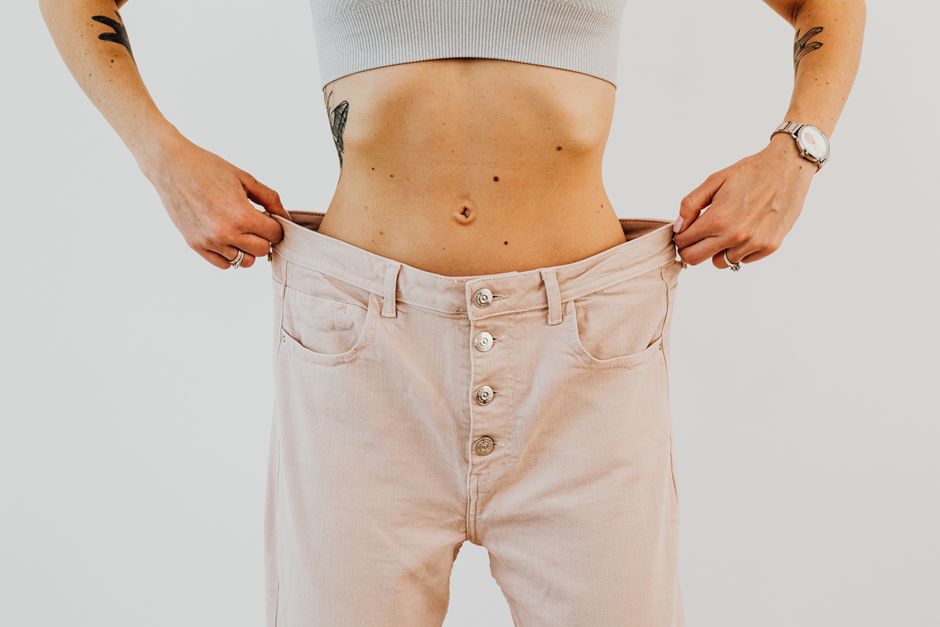
Losing weight can reduce the appearance of a turkey neck, but it will not tighten loose skin or restore lost elasticity. The sagging skin under your chin is often a combination of excess fat, aging skin, and weakened muscles. Weight loss removes some of the fat, but the skin may still hang loosely if it has lost its natural firmness.
What Causes a Turkey Neck in the First Place?
A turkey neck forms when the skin and muscles under your chin lose their tone. This happens for a few reasons, and most people have more than one contributing factor.
Aging is the biggest driver. Your skin produces less collagen and elastin as you get older. These are the proteins that keep skin firm and springy. Without them, skin thins out and sags. The neck area is especially prone to this because the skin there is naturally thinner than on other parts of your body.
Genetics play a large role too. Some people inherit thinner skin or a tendency to store fat under the chin. If your parents had a turkey neck, you are more likely to develop one regardless of your weight.
Weight gain stretches the skin. When you carry extra weight, fat accumulates under the chin and in the neck. This stretches the skin over time. Losing that weight removes the fat, but the skin does not always snap back to its original shape.
Sun damage accelerates skin aging. Ultraviolet rays break down collagen and elastin fibers. Years of sun exposure on your neck and chest can make sagging worse and appear earlier than it otherwise would.
Will Losing Weight Help Turkey Neck?
Yes, losing weight will help if excess fat is the primary cause of your turkey neck. When you lose weight, your body draws from fat stores throughout your body, including the submental fat under your chin. This is the fat that creates the “double chin” appearance.
However, the result depends on how much fat you have and the condition of your skin. If your skin is still elastic and relatively young, it may tighten up as the fat underneath shrinks. If your skin has already lost significant collagen and elastin, weight loss can actually make sagging look worse. The fat that was filling out the skin is gone, leaving loose skin behind.
The speed of weight loss matters. Slow, steady weight loss gives your skin more time to adapt. Rapid weight loss from crash dieting or bariatric surgery often leaves more loose skin because the skin cannot keep up with the sudden change in volume.
How Much Weight Loss Is Needed to See a Difference?
There is no fixed number that applies to everyone. The amount of weight you need to lose to see a change in your neck depends on your starting weight, your body composition, and where your body stores fat.
Some people notice a difference in their neck after losing just 5 to 10 pounds. Others need to lose significantly more. The fat under your chin is often one of the last fat stores to shrink, especially in men. This is frustrating but normal.
What matters more than the number on the scale is your overall body fat percentage. Weight loss reduces fat throughout the body, but it does so unevenly. You cannot spot-reduce fat in one area. Doing neck exercises or chin lifts will not burn fat specifically under your chin. Fat loss happens systemically, meaning your whole body changes together.





What Else Can Help Tighten a Turkey Neck?
If weight loss alone does not give you the result you want, several other options exist. Some are supported by evidence. Others are marketed heavily but lack solid proof.
Topical creams are the weakest option. Most firming creams contain ingredients like retinol, peptides, or hyaluronic acid. Retinol has the strongest evidence for improving skin texture and stimulating collagen production. However, the effect is modest, and results take months of consistent use. No cream can dramatically tighten sagging skin.
Non-invasive procedures like ultrasound therapy, radiofrequency, and laser treatments are used by dermatologists to stimulate collagen production. Some research shows these can produce mild to moderate tightening over several months. Results vary widely between individuals, and most people need multiple sessions. These treatments are expensive and not covered by insurance.
Injectable treatments such as deoxycholic acid are FDA-approved to reduce submental fat. This is the fat that causes a double chin. The treatment works by destroying fat cells, which the body then clears away. It does not tighten skin. If you have loose skin in addition to fat, this treatment may make sagging more noticeable.
Neck exercises are popular on social media, but the evidence is weak. No large studies have confirmed that exercising the neck muscles reduces a double chin or tightens skin. The platysma muscle in the neck can be strengthened, but this muscle sits beneath the skin and fat. Strengthening it does not address the skin itself.
Surgical Options for Turkey Neck
When weight loss and non-invasive treatments are not enough, surgery is the most definitive option. A neck lift removes excess skin and tightens the underlying muscles. This is a major procedure with real risks, including scarring, nerve damage, and anesthesia complications.
Some people are candidates for liposuction alone if their turkey neck is mostly fat with good skin elasticity. This removes fat through a small incision but does not address loose skin. If you have both excess fat and sagging skin, a combination of liposuction and skin removal may be needed.
Surgery is the only option that reliably removes excess skin. No exercise, cream, or device can cut away skin that has permanently stretched. If your turkey neck is primarily loose skin rather than fat, surgery is the only effective treatment.
Recovery from a neck lift typically takes one to two weeks for initial healing. Full results may take several months as swelling subsides. The results are long-lasting, but the natural aging process continues. Your neck will continue to age, just from a better starting point.
Lifestyle Factors That Affect Neck Skin
Several everyday habits influence how your neck skin ages. Addressing these will not reverse a turkey neck, but they can slow the progression and improve the quality of your skin.
Sun protection is the most important habit. Apply sunscreen to your neck and chest daily, not just your face. Wear protective clothing or seek shade during peak sun hours. The sun damage you have already accumulated cannot be undone, but further damage can be prevented.
Smoking accelerates skin aging by reducing blood flow and breaking down collagen. If you smoke, quitting is one of the most effective things you can do for your skin. The improvement in skin quality becomes noticeable within months of quitting.
Hydration keeps skin plump and healthy. Dehydrated skin looks duller and more wrinkled. Drinking enough water will not tighten loose skin, but it improves the overall appearance of your skin.
Weight stability matters as much as weight loss. Repeated cycles of gaining and losing weight stretch the skin repeatedly. Each cycle leaves the skin slightly less elastic. Maintaining a stable, healthy weight is better for your skin than yo-yo dieting.
Setting Realistic Expectations
Be honest with yourself about what weight loss can achieve for your neck. If your turkey neck is mostly fat, weight loss will likely help. If it is mostly skin, weight loss may not change much or could make it worse.
Look at your neck in the mirror and pinch the skin under your chin. If you can grab a fold of skin that is thin and loose, that is skin laxity. If the area feels full and thick, that is likely fat. Most people have a combination of both.
Age is a major factor in how your skin responds to weight loss. A 35-year-old with good skin elasticity will see much better results from weight loss than a 60-year-old with years of sun damage. This is not a character flaw. It is biology.
If you are considering weight loss primarily to improve your turkey neck, think about your overall health goals. Weight loss has proven benefits for blood pressure, blood sugar, joint health, and heart health. These are strong reasons to lose weight. A firmer neck is a possible bonus, not a guarantee.
Frequently Asked Questions
Can neck exercises get rid of a turkey neck?
No clinical evidence confirms that neck exercises reduce a double chin or tighten neck skin. These exercises may strengthen the platysma muscle, but they do not address the fat or skin that cause a turkey neck.
How long after weight loss does neck skin tighten?
Skin tightening can take several months to a year after weight loss, depending on your age and skin elasticity. Younger skin with good collagen production adapts faster than older, sun-damaged skin.
Will losing 20 pounds reduce a double chin?
Possibly, but it depends on where your body stores fat and how much fat is under your chin. Some people see a reduction after 10 pounds, while others need to lose significantly more before their neck changes.
Is surgery the only way to fix loose neck skin?
Surgery is the only proven way to remove excess skin. Non-invasive treatments can stimulate collagen and produce mild tightening, but they cannot eliminate skin that has permanently stretched.
