
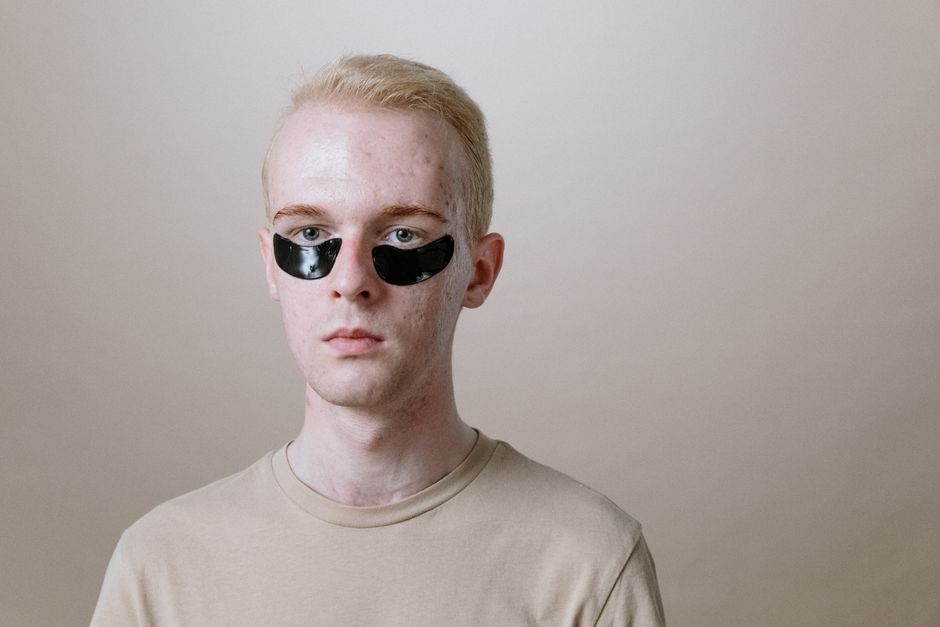
Ice can reduce the redness and swelling of an inflamed pimple, but it cannot clear the blemish or make it heal faster. Cold slows blood flow to the area, which temporarily tones down inflammation and takes the edge off pain. Think of it as comfort and camouflage, not a treatment.
Will Ice Help A Pimple?
Yes, in a limited way. Ice helps with the visible symptoms of an inflamed pimple — the heat, the throb, and the red color — by narrowing the small blood vessels near the skin’s surface.
What ice does not do is treat the cause. A pimple forms when a pore clogs with oil and dead skin cells, and bacteria that normally live on the skin multiply inside it. Cold does nothing to unclog the pore or reduce the bacteria. It also will not shrink a whitehead or make a deep cyst go away.
The effect is short-lived. Once the skin warms back up, blood flow returns and much of the redness comes back with it. Ice buys you some comfort and a bit of temporary calm, especially before a photo or a meeting. It is not a fix.
How Does Cold Actually Reduce Pimple Redness?
Cold triggers a reflex in the blood vessels called vasoconstriction. The tiny vessels in the skin narrow, so less blood flows through the area. Since the red color of an inflamed pimple comes largely from increased blood flow, narrowing those vessels makes the spot look less angry.
Cold also dulls nerve signals. That is why an ice pack numbs the throb of a tender pimple and can make it feel less painful to touch. Both effects are real, and both fade within minutes to a short while after you remove the ice.
One clarification worth knowing: the swelling from a pimple is not the same as swelling from an injury. A pimple’s bump comes mostly from trapped oil, cells, and inflammation inside the pore. Cold may ease the inflammatory part at the surface, but it cannot drain what is blocked inside. That is why ice never makes a pimple disappear — only look and feel a little calmer.
How Should You Apply Ice to a Pimple Safely?
Never put ice directly on your skin. Direct ice can cause a cold burn, and the skin around a pimple is already irritated. Always wrap it first.
- Wrap an ice cube or a small cold pack in a clean, thin cloth or paper towel.
- Hold it against the pimple for short stretches — roughly a minute at a time — rather than leaving it on for long periods.
- Lift it off and let the skin rest before reapplying if you want more relief.
- Pat the area dry afterward and stop if the skin starts to look pale, white, or feels numb or painful.
The goal is a brief, gentle chill, not a prolonged freeze. Longer or repeated exposure does not add benefit and raises the risk of irritating or damaging the skin. If your skin is sensitive, start with even shorter contact. Anyone with poor circulation, nerve damage, or certain conditions that affect how skin responds to cold should check with a clinician before using cold therapy on the face.
Does Ice Help Cystic or Deep Pimples?
Only marginally, and mostly for comfort. Deep, painful pimples — the kind that form under the skin without a visible head — are driven by inflammation deeper in the pore. Surface cold reaches only the outer layers of skin, so its effect on a deep cyst is limited.
Ice may still take down some of the surface heat and tenderness of a cystic spot. It will not resolve the underlying blockage or inflammation. Deep or recurring cysts are worth showing to a dermatologist, because over-the-counter spot treatments often are not enough for them, and scarring is a real risk when deep acne is left alone.
What Ice Cannot Do — and What Actually Treats a Pimple
Ice is a comfort measure. It does not kill acne bacteria, unclog pores, or speed healing. Relying on it as your main strategy will leave the pimple largely unchanged.
What actually helps a pimple depends on what kind it is. For many everyday inflamed pimples, established over-the-counter options include benzoyl peroxide, which reduces acne bacteria, and salicylic acid, which helps clear blocked pores. These have a real evidence base and are widely used in clinical practice. They take time to work and are not instant.
For stubborn, deep, or widespread acne, a dermatologist can offer prescription treatments — topical retinoids, prescription-strength combinations, or other options — that address the underlying process more directly. Which one fits depends on your skin and the type of acne, so this is a conversation to have with a clinician rather than a decision to make from a single article.
Be skeptical of anything promising to “cure” a pimple overnight. No product does that. The honest expectation is gradual improvement over days to weeks with consistent use, not a same-day fix.
What Else Can Calm a Pimple Fast?
A few simple steps can help a pimple look and feel better in the short term, alongside — not instead of — real treatment.
- Keep hands off. Picking and squeezing push bacteria and inflammation deeper and raise the risk of scarring and dark marks.
- Use a gentle cleanser. Washing twice a day with a mild cleanser removes excess oil without stripping the skin. Harsh scrubbing makes irritation worse.
- Try a spot treatment with benzoyl peroxide or salicylic acid. These target the cause over time. Follow the product directions.
- Use a light, non-greasy moisturizer. Dry, irritated skin can look redder and feel worse, and some acne treatments dry the skin.
- Protect the spot from sun. Sun exposure can darken a healing pimple and leave a lingering mark.
None of these is instant. What they share is that they work on the actual problem rather than only the appearance of it.
When Should You See a Doctor About Acne?
Most single pimples do not need medical care. Some situations do call for a clinician’s input.
See a dermatologist or doctor if acne is widespread or painful, if it is leaving scars or dark marks, if deep cysts keep forming, or if over-the-counter products have not helped after a reasonable period of consistent use. Acne that suddenly appears or worsens in an adult, or that comes with other symptoms, is also worth checking.
Acne is treatable, and effective prescription options exist. Getting help early, especially for deep or scarring acne, tends to lead to better outcomes than waiting it out. That is the honest position: ice is a small tool for comfort, and professional care is the path for acne that will not settle.
Frequently Asked Questions
Will ice help a pimple go away faster?
No. Ice can reduce redness and pain for a short time, but it does not clear the clogged pore or the bacteria causing the pimple, so it does not speed healing.
How long should you hold ice on a pimple?
Keep contact brief — roughly a minute at a time with the ice wrapped in a clean cloth — and let the skin rest between applications. Never apply ice directly to bare skin.
Can ice make a pimple worse?
It can if you leave it on too long or apply it directly, which can irritate or cold-burn the skin. Brief, wrapped contact is the safer approach.
Is ice better than a spot treatment for acne?
No. Ice only calms surface symptoms, while treatments like benzoyl peroxide or salicylic acid target the cause of the pimple and have a real evidence base for treating acne.
