
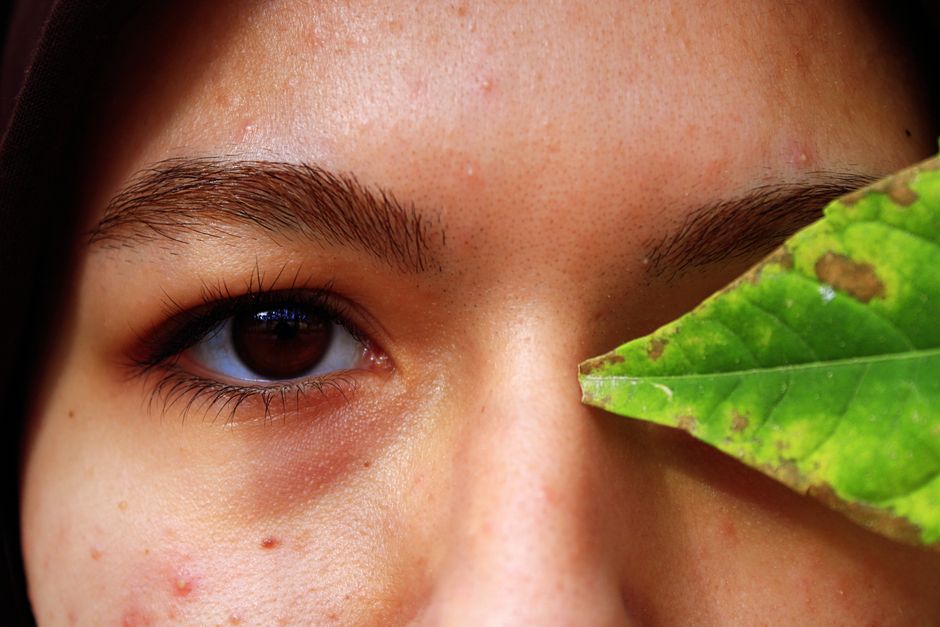
Yes, eyebrows usually grow back. The eyebrow hair follicle is not destroyed by shaving, plucking, or threading, so the hair returns once the growth cycle restarts. The exception is scarring or permanent follicle damage, where regrowth may be partial or absent. Most people who thin their brows through grooming see them return within weeks to a few months.
That simple answer covers most situations. The details get more interesting when you ask why the brow thinned in the first place, because the cause shapes the timeline and sometimes the outcome.
How Long Do Eyebrows Take to Grow Back?
Expect a few weeks to a few months for a normal brow to return after plucking or waxing. The exact time depends on where each hair is in its growth cycle, and eyebrow hairs cycle on their own individual schedules.
Eyebrow hair grows more slowly than scalp hair. Each follicle cycles through a growth phase, a transition phase, and a resting phase before the hair sheds and the cycle restarts. Because neighboring hairs sit at different points in that cycle, a brow refills gradually rather than all at once. Some patches fill in quickly while others lag behind.
A single plucked hair typically begins regrowing within a couple of weeks and reaches its previous visible length over the following weeks. A fully over-plucked brow can take several months to look balanced again. This is why brow regrowth often looks patchy mid-process.
One thing many people get wrong: shaving does not make hair grow back thicker or faster. That is a myth. Shaving cuts hair at the surface, leaving a blunt tip that can feel coarser as it emerges, but it does not change the follicle or the growth rate. The same applies to brows.
Why Did My Eyebrows Thin Out?
Thinning brows have many possible causes, and identifying the right one matters more than any topical product. Grooming habits are the most common and most reversible reason. Medical causes deserve attention when thinning is sudden, one-sided, or accompanied by other symptoms.
Common causes include:
- Over-plucking or over-waxing — repeated trauma to the follicle. In some cases, years of aggressive plucking can lead to permanent thinning, particularly at the outer edges.
- Age — brow hair density and thickness tend to decline with age in both men and women, similar to other body hair changes.
- Thyroid problems — both an underactive and overactive thyroid can affect hair, and thinning at the outer third of the eyebrow is a recognized sign associated with hypothyroidism.
- Nutritional deficiencies — low iron or low thyroid hormone can contribute to hair shedding, though the link to brows specifically is less well studied than for scalp hair.
- Skin conditions — eczema, psoriasis, or seborrheic dermatitis affecting the brow area can disrupt hair growth.
- Alopecia areata — an autoimmune condition that can cause patchy hair loss, including on the brows.
- Chemotherapy and some medications — certain treatments cause temporary hair loss across the body, brows included.
- Scarring — burns, surgery, or skin injury can destroy follicles permanently in the affected area.
If your brows are thinning and you are not sure why, that is worth raising with a clinician. A doctor can check thyroid function and look for other explanations. Self-treating with brow serums before knowing the cause can waste time and money.
Can Eyebrows Grow Back After Over-Plucking?
Usually yes, even after years of heavy plucking. The follicle is generally still intact, and hair resumes growing once you stop removing it. The catch is that long-term repeated plucking can, in some people, damage follicles enough that regrowth becomes sparse or stops at the outer edges.
The single most effective step is to stop plucking, waxing, and threading the area entirely and let the cycle run. That means tolerating an awkward in-between phase for a few months. There is no shortcut that forces a follicle to speed up its cycle.
Some people find that brow growth looks uneven for a while. This is normal. Hairs re-entering the growth phase do so on their own timing, so patience matters more than any product applied to the skin.
Do Eyebrow Growth Serums Actually Work?
The evidence is mixed, and it depends heavily on what is in the product. Some prescription treatments have clinical support. Many over-the-counter brow serums sold as cosmetics have little to no published evidence behind their specific claims.
Bimatoprost is a prostaglandin analog approved by the FDA as a prescription treatment for inadequate eyelashes, and it is sometimes used off-label for eyebrows. It has clinical evidence for lash growth. Evidence for eyebrow growth specifically is more limited, and it is a prescription medication with possible side effects, including skin darkening and eye-related effects. It is not a casual cosmetic purchase.
Many cosmetic serums contain peptides, biotin, or plant extracts and market themselves as brow enhancers. No large, well-controlled human trials confirm that most of these individual ingredients regrow eyebrow hair. Biotin in particular is widely marketed for hair, skin, and nails, but unless a person has a genuine biotin deficiency, the evidence that supplementing it improves hair growth is weak.
Be cautious with any product making strong regrowth claims without clinical data. And note that some cosmetic brow serums have been associated with reports of skin irritation and, in some cases, orbital fat changes with prostaglandin-containing formulas. If you are considering a prescription product, that conversation belongs with a clinician.
What Helps Eyebrows Grow Back Faster?
There is no proven way to dramatically speed up eyebrow regrowth. The most reliable approach is to remove the cause of the thinning and give the follicles uninterrupted time to cycle. Everything else is supportive at best.
What genuinely helps:
- Stop all hair removal in the brow area so follicles can complete their cycle.
- Treat any underlying condition — for example, correcting a thyroid problem if one is present, under medical guidance.
- Eat enough protein and overall nutrition — hair is built from protein, and severe deficiency impairs growth.
- Avoid harsh products and friction on the brow area, which can irritate skin and disturb follicles.
- Be patient — the cycle takes time, and no product overrides it.
Things often marketed but not well supported for brow regrowth include biotin supplements in people without deficiency, castor oil, and most cosmetic peptide serums. Castor oil is a traditional remedy with no strong clinical evidence that it regrows eyebrow hair. It is generally harmless on skin but is not a proven treatment.
When Should You See a Doctor About Thinning Eyebrows?
See a clinician if brow thinning is sudden, one-sided, or accompanied by other symptoms. These patterns point away from simple grooming causes and toward a medical explanation that deserves evaluation.
Specific signs worth checking:
- Loss of the outer third of the eyebrows, especially with fatigue, weight change, or feeling cold — possible thyroid involvement.
- Patchy bald spots on the brows or scalp — possible alopecia areata.
- Thinning that started after a new medication.
- Redness, scaling, or itching of the brow skin.
- Thinning along with generalized hair loss elsewhere on the body.
A clinician can examine the area, take a focused history, and order tests such as thyroid function if indicated. Getting the cause right is what makes regrowth possible in these cases. When thinning is due to an untreated condition, no cosmetic product will fix it.
Frequently Asked Questions
Will eyebrows grow back after plucking?
Yes, in most cases. Plucking removes the hair but not the follicle, so it regrows over weeks to months, though years of heavy plucking can cause permanent thinning in some people.
How long does it take for eyebrows to grow back?
Typically a few weeks to a few months for a normal brow to refill. The timeline varies because each hair cycles on its own schedule, so regrowth often looks uneven along the way.
Can eyebrow hair grow back after years of over-plucking?
Often yes, if the follicles are still intact. Long-term repeated plucking can damage follicles enough to cause sparse or permanent thinning, especially at the outer edges.
Do eyebrow growth serums really work?
It depends on the product. Prescription prostaglandin treatments have clinical evidence for lash growth, but evidence for most over-the-counter cosmetic brow serums is limited or absent.
