

Yes, a COVID-19 infection can change the results of routine blood work — sometimes in ways that show up for weeks after you feel better. The virus triggers inflammation and immune activity throughout the body, and standard lab panels can pick up those changes. Most of these shifts are temporary. But a few can matter, especially if you have an underlying condition or take certain medications.
Will Covid Affect Routine Blood Work Results?
COVID-19 commonly affects several standard lab values. The most consistent changes involve markers of inflammation, white blood cell counts, and liver enzymes.
Research published in The Lancet and other major journals early in the pandemic documented these patterns. A C-reactive protein (CRP) level, which measures general inflammation, often rises during infection. So can ferritin, another inflammatory marker. These are not specific to COVID — many infections raise them — but the pattern is well documented.
White blood cell counts can shift in either direction. Lymphocytes, a type of white blood cell central to fighting viruses, often drop during acute COVID. This is called lymphopenia. It tends to recover as the infection clears.
Liver enzymes like ALT and AST may rise mildly. This does not necessarily mean liver damage. It can reflect inflammation, medication effects, or the body’s stress response to infection.
Other values that sometimes change include:
- D-dimer, a clot breakdown marker, which can rise
- Platelet counts, which may drop slightly
- Kidney function markers like creatinine, especially in severe cases
- Electrolytes such as sodium and potassium
How much these values shift depends on how sick you were. Someone with a mild cold-like illness may see barely any change. Someone hospitalized with severe COVID can see substantial abnormalities across multiple panels.
How Long After Covid Can Blood Tests Be Affected?
Inflammation markers like CRP typically return to normal within a few weeks of recovery. Lymphocyte counts usually recover over a similar timeframe.
Some changes can linger longer. Research suggests that certain inflammatory markers may stay mildly elevated for several weeks to a few months after infection, particularly in people who had more severe illness. D-dimer elevations have been reported to persist in some patients for weeks after discharge.
This matters for timing. If you had COVID three weeks ago and your doctor orders blood work, mildly abnormal results may still reflect recent infection rather than a new problem. Let your healthcare provider know when you were sick and how severe it was. That context helps them interpret results correctly.
There is no single timeline that applies to everyone. Recovery varies based on age, underlying health conditions, vaccination status, and how severe the infection was.
Can Covid Cause Abnormal Results Months Later?
Some people report persistent symptoms after COVID — often called long COVID — and their blood work may show lingering abnormalities. But the relationship between symptoms and lab results is not straightforward.
Many people with long COVID have completely normal routine blood work. Their symptoms — fatigue, brain fog, shortness of breath — do not always show up on standard panels. This can be frustrating and confusing.
When abnormalities do persist, they most often involve inflammatory markers or subtle immune changes. Research into long COVID is ongoing. The evidence is still developing, and no single blood test currently diagnoses the condition.
If you have ongoing symptoms after COVID and your routine blood work looks normal, that does not mean nothing is wrong. It means the standard tests are not capturing what is happening. Some researchers are studying more specialized tests, but none are yet established for routine clinical use.

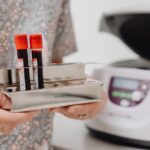
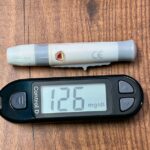


What Blood Work Should You Get After Covid?
There is no standard set of blood tests recommended for everyone after COVID. Testing should be guided by your symptoms and health history.
If you had a mild infection and feel fully recovered, routine blood work is not automatically necessary. If you had a more severe illness, or if you have ongoing symptoms, your doctor may want to check certain values.
Common tests a clinician might order include:
- Complete blood count (CBC) to check blood cells
- Comprehensive metabolic panel (CMP) to check organ function and electrolytes
- CRP or other inflammatory markers
- Liver enzymes
- D-dimer if there is concern about clotting
Which tests make sense depends on your situation. Someone with heart disease, diabetes, or a clotting disorder may need closer monitoring. Someone young and healthy with a mild case may need nothing beyond their usual care.
This is a conversation to have with your healthcare provider, not a decision to make on your own.
Does Vaccination Change How Covid Affects Blood Work?
Vaccination reduces the risk of severe illness, which in turn reduces the likelihood of significant blood work changes. People who are vaccinated and get a breakthrough infection tend to have milder illness and fewer lab abnormalities.
The vaccine itself does not typically cause lasting changes to routine blood work. Some people experience temporary inflammation after vaccination — similar to what happens with other vaccines — but this resolves quickly.
If you recently received a vaccine and have blood work done shortly after, it is worth mentioning to your provider. Timing can matter for interpretation, though the effect on most routine tests is minimal.
What Else Can Cause Abnormal Blood Work?
Many things besides COVID can affect routine blood work. This is why context matters so much when interpreting results.
Common non-COVID causes of abnormal results include:
- Other infections, including colds, flu, and urinary tract infections
- Medications, including steroids, antibiotics, and blood thinners
- Chronic conditions like diabetes, kidney disease, or autoimmune disorders
- Recent surgery, injury, or physical stress
- Pregnancy
- Dehydration
- Diet and hydration status on the day of the test
A single abnormal result rarely tells the whole story. Doctors look at patterns, trends over time, and how results relate to your symptoms and history.
If you had COVID recently and your blood work is slightly off, that is one piece of information. It does not automatically mean something serious is happening. But it is also not something to dismiss without discussion.
Should You Delay Blood Work After Covid?
In most cases, you do not need to delay routine blood work after COVID unless your doctor recommends it.
If you are acutely ill with COVID, it makes sense to wait until you have recovered. Blood work during an active infection will reflect the infection, which may not be useful if the goal is to check your baseline health.
If you have recovered and feel well, there is usually no reason to wait. If you had a severe case or have ongoing symptoms, your doctor may want to time tests differently or repeat them later to see if values normalize.
The key is communication. Tell your provider when you had COVID, how sick you were, and whether you are still having symptoms. That information helps them order the right tests at the right time and interpret the results accurately.
What Does This Mean for You?
COVID can affect routine blood work, but most changes are temporary and resolve on their own. The effect is usually mild for people who had mild illness and more pronounced for those who were seriously ill.
If you have blood work coming up and you recently had COVID, mention it. If your results come back slightly abnormal, ask what that means in the context of your recent infection. Do not panic, and do not ignore it.
The evidence on long-term effects is still developing. Some questions do not have clear answers yet. What is clear is that context — your symptoms, your history, and the timing of your infection — matters as much as the numbers on the page.
Frequently Asked Questions
Can COVID cause a false positive on blood tests?
COVID does not typically cause false positives on standard blood tests, but it can cause abnormal results that reflect infection rather than a separate condition. If a result is unexpected, your doctor may repeat the test or order additional tests to clarify.
How long should I wait to get blood work after having COVID?
If you are still acutely ill, wait until you have recovered. If you feel well, there is usually no need to delay. Your doctor may recommend specific timing based on your symptoms and health history.
Can COVID make my cholesterol levels look different?
Some studies suggest that COVID may temporarily affect lipid levels, but the evidence is not strong enough to say this happens consistently. If your cholesterol is checked shortly after infection, discuss the timing with your doctor.
Do I need special blood tests after COVID?
No special tests are recommended for everyone after COVID. Testing should be based on your symptoms, health history, and your doctor’s judgment. If you have ongoing symptoms, your provider may order additional tests.
