
Chlorine can turn bleached hair green, but not for the reason most people think. The green cast is not chlorine dyeing your hair. It comes from metals, mainly copper, that bind to damaged hair and oxidize into green compounds. Bleached hair is far more vulnerable because its protective outer layer has been stripped away.
Pool water chemistry matters too. Copper enters pool water from algaecides, plumbing, and equipment. Once it attaches to porous, lightened hair, chlorine and water exposure can trigger the color shift. The fix is less about avoiding chlorine entirely and more about protecting hair and removing metals before they set.
Why Does Chlorine Turn Bleached Hair Green?
The green color comes from copper, not chlorine. Chlorine is the trigger that helps oxidized copper compounds form on and inside the hair shaft, but the metal is the actual pigment source.
Here is the sequence. Copper ions dissolved in pool water bind to hair proteins. Bleached hair has a rough, porous surface and fewer natural oils, so it grabs and holds more of these metals than untreated hair. When copper reacts with chlorine and oxygen, it forms green-tinted compounds. On blonde or lightened hair, that green shows clearly. On dark hair, the same reaction happens but you cannot see it.
This is why the old story about chlorine being “green” is misleading. Chlorine gas has a faint yellow-green tint, but that has nothing to do with your hair. The color on your head is a metal reaction.
Bleaching does the real damage. The lightening process lifts the cuticle, the protective outer layer of the hair, and breaks down melanin. What is left is a hair strand that is more porous, weaker, and chemically exposed. That structure absorbs metals and chemicals far more readily than virgin hair. A person with unbleached dark hair can swim all summer with no color change. A person with freshly bleached platinum can see a green tint after a few sessions in a copper-heavy pool.
Where Does the Copper in Pool Water Come From?
Copper gets into pool water from several ordinary sources. Knowing them helps you judge your own pool’s risk.
- Algaecides. Many pool algaecides are copper-based, and copper is effective at controlling algae.
- Plumbing. Copper pipes and, especially, copper heat exchangers in pool heaters can leach metal into the water over time.
- Source water. Some municipal and well water supplies carry measurable copper.
- Corrosion. Low pH or unbalanced water chemistry accelerates metal corrosion, releasing more copper into the pool.
Public pools and well-maintained private pools vary widely in copper content. There is no simple way to tell by looking. A pool can be crystal clear and still carry enough dissolved copper to tint bleached hair over repeated exposure.
One non-obvious point: the metal can also come from your own water at home. If your household plumbing is older copper and your water sits in the pipes, showering and washing bleached hair in that water can contribute to the same buildup. This is one reason some lightened hair develops a greenish cast even without swimming.
Does Chlorine Itself Damage Bleached Hair?
Yes. Chlorine damages hair structure, and that damage is separate from the green color issue. Both problems matter, but they are not the same problem.
Chlorine is an oxidizing agent. It reacts with the proteins and lipids in hair, and it can strip natural oils from the scalp and shaft. On already-bleached hair, which has a compromised cuticle and reduced protein structure, chlorine exposure tends to increase roughness, dryness, and breakage. Hair feels straw-like and looks dull. Over a season of regular swimming, bleached hair can become noticeably more fragile.
The green tint and the structural damage often get blamed on the same thing, but they have different causes and different fixes. Removing copper addresses color. Conditioning and minimizing chlorine contact address damage. You need to handle both if you swim regularly with lightened hair.
How Do You Prevent Green Hair From Chlorine?
You can reduce both metal binding and chlorine damage with a few practical steps. None of these is guaranteed to prevent all color change, but together they lower the risk substantially.
Wet your hair with clean water before swimming. Hair that is already saturated absorbs less pool water, and less pool water means less copper and chlorine uptake. This is a simple, low-cost step.
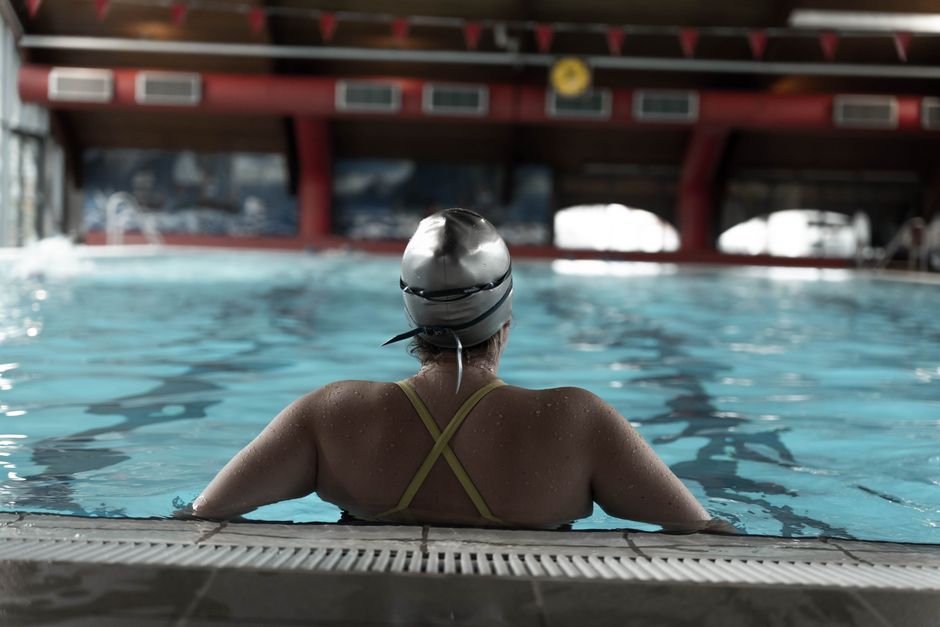
Use a swim cap. A cap reduces contact between hair and pool water. It does not create a perfect seal, and water still gets in around the edges, but it limits exposure.
Rinse immediately after swimming. Rinsing with fresh water soon after you leave the pool helps remove copper and chlorine before they have time to react further with the hair.
Wash with a chelating or clarifying shampoo periodically. Chelating shampoos are formulated to bind metals like copper and help remove them from hair. Some clinicians and hair professionals recommend them for swimmers with lightened hair. The evidence for how well they work in real-world swimming conditions is limited, and results vary, so treat them as a reasonable supportive step rather than a proven cure.
Condition regularly. Conditioning helps smooth the cuticle and reduce porosity over time, which can make hair less prone to grabbing metals and chemicals.
Check your pool’s copper level. If you own the pool, testing for metals and balancing the water is worthwhile. If you swim in a public pool, you usually cannot control this, so rely on the protective steps above.
Can You Remove Green From Bleached Hair Once It Happens?
Green that has already developed can often be reduced, but results depend on how much copper has bound to the hair and how damaged it is. There is no guaranteed reversal.
Because the color comes from metal, the goal is to remove the metal rather than to cover it with another color. Chelating treatments are designed for this. Some people see improvement after a chelating wash. Others need professional help. A colorist or dermatologist-adjacent hair professional can assess whether the green is surface-level or deeper in the shaft.
Be cautious with home remedies you find online. Some popular suggestions, like applying certain acidic liquids or strong household products, can further damage already-fragile bleached hair. There is no strong clinical evidence supporting most home remedies for green hair, and some carry real risk of making the damage worse. If the green is stubborn or the hair is breaking, professional evaluation is the safer route.
Prevention is far more reliable than removal. Once copper has reacted inside a damaged shaft, getting it fully out is difficult.
Will Chlorine Turn My Bleached Hair Green The Truth About Who Is at Risk
Not everyone with bleached hair who swims will go green. Risk depends on several factors, and understanding them helps you judge your own situation honestly.
- Hair porosity. More porous, more heavily lightened hair binds more metal.
- Level of lightening. Platinum and very light blonde show green most clearly. Darker bleached shades may hide it.
- Pool copper levels. Pools with copper algaecides, copper plumbing, or corrosive water carry higher risk.
- Frequency and duration of exposure. More time in the water generally means more metal uptake.
- Aftercare. Rinsing promptly and using chelating products reduces buildup.
Someone with recently bleached platinum hair swimming daily in a copper-heavy pool has a meaningfully higher risk than someone with a subtle balayage who swims occasionally in a well-balanced pool. The reaction is real and documented, but it is not universal. Many swimmers with lightened hair never see a green tint at all.
If you notice a green cast, do not panic. It is a cosmetic issue, not a sign of harm to your health. The copper is on and in the hair, not being absorbed into your body in any meaningful way through the hair shaft. The concern is appearance and hair condition, not systemic exposure.
Frequently Asked Questions
Does chlorine actually turn hair green?
No, chlorine itself does not dye hair green. The green color comes from copper and other metals in the water reacting with chlorine and binding to damaged hair.
Why does bleached hair turn green but not dark hair?
Bleaching strips the protective cuticle and makes hair more porous, so it absorbs more metal. The green tint is visible on light hair and hidden on dark hair.
How do you get green out of bleached hair from a pool?
Chelating shampoos and treatments are designed to remove metals like copper from hair, and some people see improvement. Results vary, and stubborn cases may need a hair professional.
Can I prevent green hair if I swim often?
Wetting hair before swimming, wearing a swim cap, rinsing right after, and using a chelating shampoo can lower your risk. No method fully guarantees prevention.
