
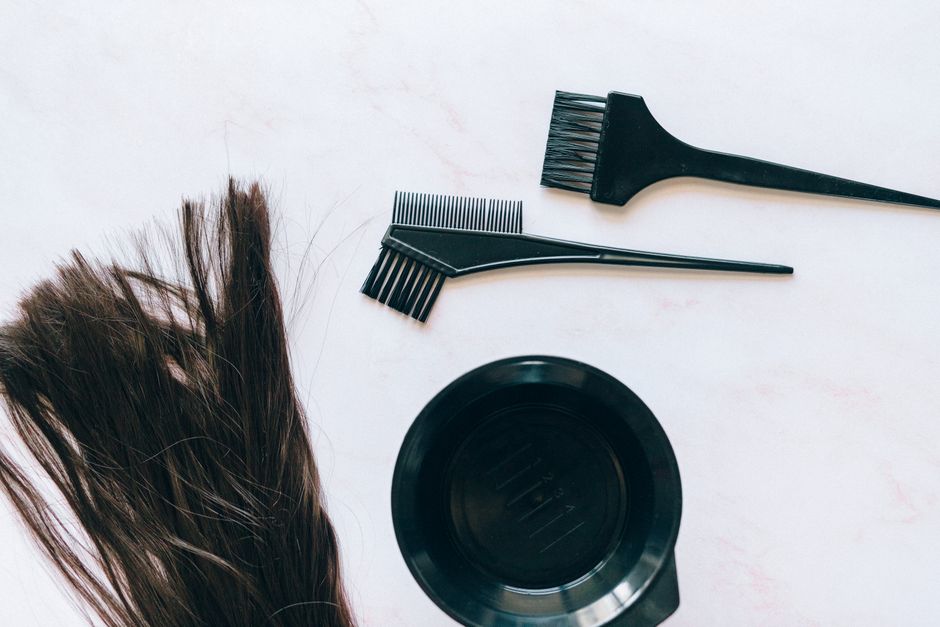
Bleaching your hair will not help you pass a hair follicle drug test. In fact, it may make the test result more suspicious to the laboratory. Hair follicle tests detect drug metabolites that are trapped inside the hair shaft as it grows, and no external chemical treatment can remove them from the inner structure of the hair.
How Does a Hair Follicle Test Actually Work?
A hair follicle test does not test the hair you see on your head. It tests the hair below the surface of the scalp. The technician collects roughly 100 to 120 strands of hair, cutting them as close to the scalp as possible. The test analyzes the most recent 1.5 inches of growth, which represents approximately the last 90 days of drug use.
Drugs enter the hair through the bloodstream. When you use a drug, your body breaks it down into metabolites. These metabolites travel through your blood and become embedded in the hair follicle as the hair grows. The metabolites are locked into the protein structure of the hair itself. This is not a surface coating that can be washed away.
Why Bleaching Does Not Remove Drug Metabolites
Bleach breaks down the pigment in your hair. It does not break down drug metabolites. The metabolites are stored inside the hair cortex, which is the middle layer of the hair shaft. Bleach works on the outer layers and the pigment molecules, but it cannot penetrate deeply enough to destroy the drug compounds trapped in the cortex.
Some research has looked at whether chemical treatments like bleach, dye, or relaxers can affect hair test results. The findings are not consistent. Some studies show that heavy bleaching can reduce the amount of detectable drug in the hair. Other studies show no meaningful reduction. Even when a reduction occurs, it rarely brings the level below the cutoff threshold used by testing laboratories.
Laboratories are aware of this issue. When a hair sample shows signs of heavy chemical damage, the lab may flag the sample as adulterated or tampered with. This triggers additional testing or a request for a new sample from a different body site, such as body hair.
What Happens When a Lab Detects Bleached Hair?
Testing laboratories use a screening process before they even run the drug test. They examine the hair sample under a microscope or use chemical indicators to check for signs of external contamination or manipulation. Bleached, dyed, or heavily treated hair changes the hair’s appearance and structure in ways that are visible to trained analysts.
If the lab suspects the sample has been tampered with, they will not simply report a negative result. They will report the sample as “adulterated” or “unsuitable for testing.” In a workplace or legal setting, this is often treated the same as a positive result. The employer or agency will assume you tried to cheat the test, which can carry serious consequences.




Do Detox Shampoos or Home Remedies Work?
No home treatment has been proven to remove drug metabolites from the hair shaft. Detox shampoos, vinegar rinses, and other products marketed for passing hair tests do not have reliable clinical evidence behind them. Some products may reduce surface contamination, but the metabolites inside the hair cortex remain unaffected.
The one technique that has shown some effect in research is repeated, aggressive bleaching combined with oxidative hair dye. This process can damage the hair so severely that it breaks down some of the protein structure holding the metabolites. However, even this approach is not reliable. Results vary widely between individuals, and the damage to your hair can be severe. You may end up with broken, thinning hair and still test positive.
What Are the Detection Windows for Hair Testing?
Hair testing has the longest detection window of any standard drug test. Urine tests typically detect drugs for a few days to a week. Saliva tests detect drugs for up to 48 hours. Blood tests detect drugs for a matter of hours or days. Hair tests detect drug use for up to 90 days, sometimes longer.
The testing window starts when the drug enters the hair follicle. It takes about 7 to 10 days for the hair containing the drug to grow above the scalp. This means the most recent 7 to 10 days may not show up on a hair test, but everything from that point back to roughly 90 days will be detected.
For chronic or heavy users, the metabolites may be present in higher concentrations. This does not change the detection window, but it makes it even harder for any external treatment to reduce the level below the cutoff.
What Is the Cutoff Level for a Positive Result?
Standard hair follicle tests use a screening cutoff of 500 picograms per milligram of hair for most drugs. If the initial screening test shows a level above this cutoff, the lab runs a confirmation test using a more precise method called gas chromatography-mass spectrometry. The confirmation cutoff is typically 0.2 nanograms per milligram, though this can vary by laboratory.
These numbers matter because they explain why bleaching rarely works. Even if bleaching reduces the drug level by 30 or 40 percent, it often is not enough to drop a positive sample below the cutoff. A heavy user may have levels many times above the threshold, and a partial reduction still leaves the sample positive.
Are There Any Legitimate Ways to Pass a Hair Follicle Test?
The only reliable way to pass a hair follicle test is to not have drug metabolites in your hair. If you have used drugs in the past 90 days, the metabolites are present. No shampoo, bleach, or home remedy has been proven to remove them consistently.
Some people try to shave their head before a hair test. This is also not a reliable strategy. If you have no hair on your head, the collector will take hair from another part of your body, such as your arm, leg, or chest. Body hair has a longer detection window than head hair, sometimes up to 12 months, because it grows more slowly.
If you are facing a hair follicle test and have used drugs recently, be honest with the testing agency or employer about your situation. Attempting to tamper with the sample can lead to more serious consequences than a positive result, including termination of employment or legal penalties.
Does Hair Color or Hair Type Affect the Test?
Hair color does not affect the accuracy of a hair follicle test. The test detects drug metabolites, not pigment. However, research has shown that melanin, the pigment that gives hair its color, can bind to some drug molecules. This has led to concerns that people with darker hair may test positive at lower levels of drug use than people with lighter hair.
The evidence on this is mixed. Some studies suggest a correlation between melanin content and drug concentration in hair. Other studies have not found a significant difference. Most major testing laboratories do not adjust results based on hair color, and the legal and scientific debate on this issue remains unresolved.
Can Secondhand Smoke or Environmental Exposure Cause a Positive Result?
This is a common concern, but the evidence does not support it. Hair follicle tests are designed to detect drug metabolites, not the drug itself. Metabolites are produced inside your body when you process a drug. Simply being near someone who smokes marijuana does not cause your body to produce THC metabolites.
External contamination can occur if your hair is directly exposed to concentrated smoke or drug residue. However, standard laboratory procedures include a washing step that removes external contamination before testing. The lab washes the hair sample to eliminate surface oils, dirt, and any drug particles that may have settled on the hair from the environment.
Frequently Asked Questions
Can I bleach my hair the day before a hair follicle test?
No, bleaching your hair the day before the test will not remove drug metabolites from inside the hair shaft. The lab may also flag the sample as tampered with due to the chemical damage.
How far back does a hair follicle test detect drugs?
A standard hair follicle test detects drug use from the past 90 days. The test analyzes the most recent 1.5 inches of hair growth from the scalp.
Will shaving my head help me pass a hair follicle test?
No, if you have no head hair, the collector will take hair from your arm, leg, or chest instead. Body hair can detect drug use for an even longer period than head hair.
Do detox shampoos actually work for hair tests?
No clinical evidence confirms that any detox shampoo reliably removes drug metabolites from the hair shaft. These products may remove surface oils, but the metabolites inside the hair cortex remain.
