
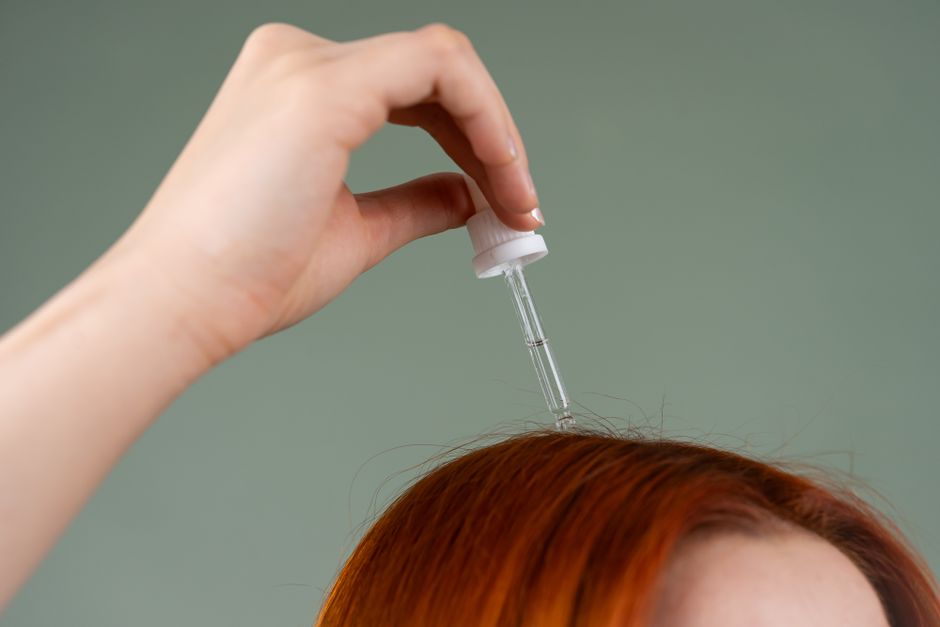
Biotin supplements are everywhere, and they are marketed almost entirely on the promise of thicker, faster-growing hair. The honest answer is that for most people, biotin will not help hair grow. Biotin deficiency is genuinely rare, and when biotin levels are normal, adding more of it has not been shown to improve hair growth in controlled human studies. The exception is real but narrow: people who are truly deficient in biotin can see hair-related symptoms improve with treatment.
What Is Biotin and What Does It Do in the Body?
Biotin is a water-soluble B vitamin, sometimes called vitamin B7. It acts as a coenzyme for a small group of enzymes called carboxylases. These enzymes help the body break down fats, glucose, and some amino acids, and they play a role in certain metabolic processes.
That is the established physiology. Biotin is essential for normal metabolism, and severe deficiency causes measurable problems. What biotin does not do is act as a growth signal for hair follicles. There is no known mechanism by which extra biotin above what the body needs would speed up hair growth or increase hair thickness.
The body cannot make biotin on its own, so it must come from food or gut bacteria. Good dietary sources include eggs, nuts, seeds, salmon, liver, sweet potatoes, and legumes. A typical varied diet supplies more than enough for most people.
How Common Is Biotin Deficiency?
Biotin deficiency is rare in healthy people eating a normal diet. This is the single most important fact for understanding the supplement market. If nearly everyone already has adequate biotin, then nearly everyone taking a supplement is adding something they do not need.
When deficiency does occur, it usually has an identifiable cause. Documented causes include:
- Long-term use of certain anti-seizure medications
- Prolonged use of some antibiotics that disrupt gut bacteria
- Certain rare inherited metabolic disorders
- Long-term intravenous feeding without biotin supplementation
- Chronic alcohol use
- Pregnancy, in some cases, because biotin is broken down faster
Raw egg white consumption is often mentioned as a cause. This is technically true but overstated in popular coverage. Egg whites contain a protein called avidin that binds biotin and blocks its absorption. However, avidin is largely inactivated by cooking. You would need to eat a very large amount of raw egg whites over a long period to cause a problem. Occasional raw egg in a smoothie is not a realistic concern for most people.
Symptoms of true biotin deficiency include hair thinning or loss, a scaly red rash around the eyes, nose, and mouth, conjunctivitis, and neurological symptoms such as depression, lethargy, and tingling in the hands and feet. Hair loss is one symptom among several, not a standalone sign.
Will Biotin Help Hair Grow in People Who Are Not Deficient?
No established evidence shows that biotin supplements improve hair growth in people with normal biotin levels. This is the crux of the issue, and it is worth being direct about it.
The evidence for biotin and hair growth in non-deficient people is thin. Most of the support comes from small studies, case reports, or studies that combined biotin with other nutrients, making it impossible to isolate biotin’s effect. When a supplement contains zinc, iron, vitamin D, and biotin together, and hair improves, you cannot credit the biotin.
Some research suggests biotin may support hair in specific situations, such as in people with certain hair disorders or documented deficiency. But the broad claim that biotin makes hair grow faster or thicker in generally healthy adults is not supported by strong clinical trials. That gap between marketing and evidence is the whole story here.
Hair is mostly protein. It grows from follicles in a cycle with distinct phases. No vitamin can override that cycle or push a resting follicle into a growth phase. Nutrients support hair growth only when a deficiency is actually limiting it.





Why Do People Believe Biotin Works for Hair?
The belief persists for a few understandable reasons, none of which prove effectiveness.
First, biotin deficiency causes hair loss, so it seems logical that more biotin would mean more hair. This is a common reasoning error. Correcting a deficiency restores normal function. It does not push function above normal. The same logic applies to water: drinking more when you are dehydrated helps, but drinking extra when you are hydrated does not improve anything.
Second, many people who start biotin also change other habits at the same time. They may improve their diet, reduce stress, or treat an underlying condition. Hair improvements get credited to the supplement.
Third, hair growth is slow and variable. It is easy to attribute a natural fluctuation to whatever was started recently.
Fourth, biotin is added to countless “hair, skin, and nails” products. Repetition creates the impression of evidence. Marketing is not evidence.
Does Biotin Help Hair in Any Specific Situations?
There are a few narrow situations where biotin may matter, and it is worth separating them clearly.
In documented biotin deficiency, treatment with biotin can reverse hair loss along with other symptoms. This is a real clinical scenario, but it requires an actual diagnosis, not a guess based on thinning hair.
In some inherited biotin-related disorders, biotin treatment is a standard part of care. These are rare and diagnosed by a doctor.
For pregnancy, biotin levels can drop, and some clinicians recommend attention to biotin intake. However, no clinical guidelines currently establish biotin supplementation as a treatment for hair changes in pregnancy, and pregnant women should not start supplements without talking to their doctor.
Beyond these situations, the case for biotin is weak. If you have hair loss, the more useful question is what is causing it.
What Actually Causes Hair Loss?
Hair loss has many causes, and most have nothing to do with biotin. Identifying the real cause matters far more than adding a supplement.
Common causes include:
- Androgenetic alopecia — inherited pattern hair loss, the most common cause in both men and women
- Telogen effluvium — temporary shedding after illness, surgery, severe stress, or major life changes
- Iron deficiency — a well-documented contributor to hair loss, especially in women
- Thyroid disorders — both underactive and overactive thyroid can cause shedding
- Nutritional deficiencies — including zinc, vitamin D, and protein
- Medications — some drugs cause hair loss as a side effect
- Hormonal changes — including those around menopause and after childbirth
- Scalp conditions — such as certain forms of alopecia areata or infections
Notice that biotin deficiency is not on this list as a common cause. It belongs in the rare category. If you are losing hair, a doctor can check for the causes that are actually common, often with simple blood tests.
Is Taking Biotin Safe?
Biotin is generally well tolerated, and no tolerable upper intake level has been established because toxicity has not been reported from oral biotin in healthy people. That said, “generally safe” is not the same as “no concerns.”
One real issue is lab interference. High-dose biotin can interfere with certain laboratory tests, including some thyroid and cardiac tests. This has led to false results and, in rare cases, clinical consequences. If you take biotin and need blood work, tell your doctor. Some labs recommend stopping biotin for a period before testing, and your doctor can advise on timing.
Another point worth knowing: biotin supplements are not held to the same pre-market standards as drugs in the United States. What is on the label is not always verified. This is a general feature of the supplement market, not a biotin-specific problem, but it is relevant if you are deciding whether to take one.
Should You Take Biotin for Hair Growth?
For most people, biotin is unlikely to make a difference, and the money may be better spent elsewhere. If you suspect a deficiency or have unexplained hair loss, the useful step is to see a doctor rather than self-treat.
If you do choose to take biotin, know that it is not a proven hair growth treatment for people with normal levels. It is not harmful for most people at typical doses, but it is also not the solution the marketing implies.
The most effective approach to hair loss depends entirely on the cause. Pattern hair loss, iron deficiency, thyroid problems, and telogen effluvium each have different management. A supplement aimed at a problem you do not have will not fix it.
Frequently Asked Questions
Will biotin help hair grow if I am not deficient?
No. There is no established evidence that biotin improves hair growth in people with normal biotin levels.
How long does biotin take to work for hair?
There is no reliable timeline because biotin has not been shown to work for hair in non-deficient people. In documented deficiency, hair symptoms can improve with treatment, but the timeline depends on the individual and the cause.
What are the signs of biotin deficiency?
Signs include hair thinning, a scaly rash around the eyes, nose, and mouth, and neurological symptoms such as tingling or depression. These require a doctor’s evaluation, not self-diagnosis.
Can biotin cause any problems?
Biotin is generally well tolerated, but high doses can interfere with certain lab tests, including some thyroid and cardiac tests. Tell your doctor if you take biotin before any blood work.
