
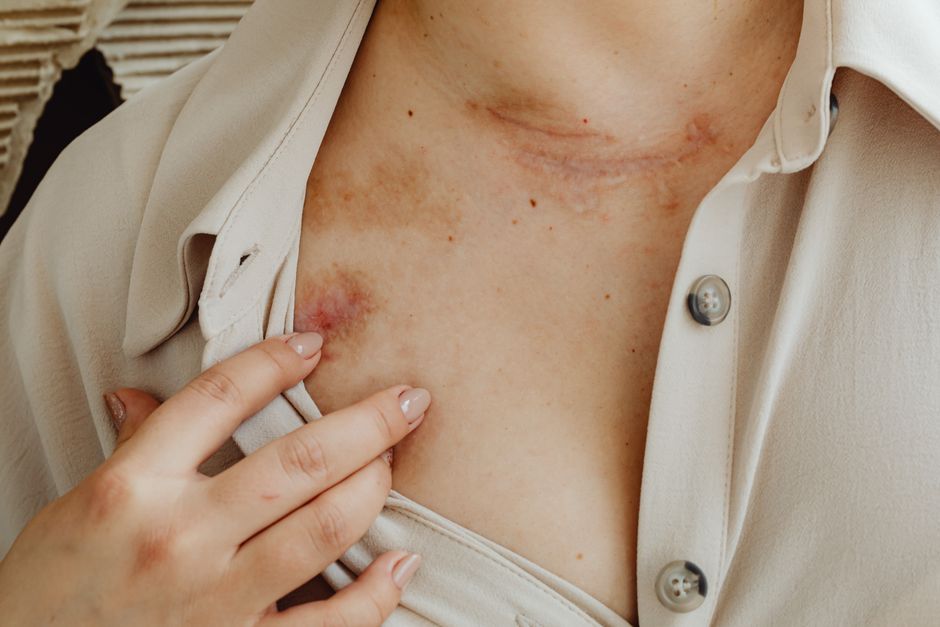
Some infected wounds do heal without medical treatment. Many do not, and the ones that don’t can get worse quickly. A minor skin infection in a healthy person sometimes clears on its own, but an infection that is spreading, deep, or accompanied by fever needs medical care. The safe answer is not to wait and see how it goes.
This matters because the gap between a wound that will settle and one that won’t is not always obvious. A small cut that gets a little red is common and often harmless. A wound that is hot, swollen, and leaking pus is a different situation. Knowing which one you are looking at is the whole question.
What Actually Happens When a Wound Gets Infected?
Bacteria get into the tissue through the break in the skin and start multiplying. Your immune system responds by sending white blood cells to the area, which causes the redness, warmth, swelling, and pain that define infection.
That response is the body fighting back. Whether it wins depends on how many bacteria got in, how aggressive they are, and how well your immune system works. A shallow scrape contaminated with a little dirt is a very different problem from a deep puncture wound or a surgical incision that has opened up.
Most wound infections are caused by bacteria that normally live on the skin, especially Staphylococcus aureus and Streptococcus species. These organisms are common and usually manageable. But some strains, including MRSA (methicillin-resistant Staphylococcus aureus), are resistant to common antibiotics. That is one reason a wound infection that seems minor can behave unpredictably.
There is a detail many people miss. The redness around a wound is not always infection. Inflammation is a normal part of healing in the first day or two. The distinction is timing and direction. Inflammation peaks early and then fades. Infection tends to worsen after the first 48 hours. If redness is spreading outward, that is a red flag.
Will An Infected Wound Heal Without Treatment?
A small, superficial infection in a healthy person can sometimes resolve without antibiotics. The immune system is capable of clearing a limited bacterial load on its own. But “sometimes” is doing a lot of work in that sentence, and there is no reliable way to know in advance which wound will fall into that category.
The cases that do not resolve can progress to serious problems. Bacteria can spread from the skin into deeper tissue, into the bloodstream, or along fascial planes. These are the situations that become emergencies.
Certain factors make spontaneous healing much less likely:
- Diabetes, especially with poor blood sugar control
- Weakened immune system from illness or medication
- Poor circulation in the legs or feet
- Deep or puncture wounds
- Wounds contaminated with soil, saliva, or feces
- Bite wounds, which carry a high risk of infection
- Wounds on the hands, feet, or face
- Age over 65
If any of these apply, waiting is a poor strategy. The risk of complications is meaningfully higher, and early treatment is more effective than late treatment.
What Are the Signs an Infected Wound Is Getting Worse?
Worsening signs are the clearest signal that the body is not winning. These are the things to watch for in the hours and days after an injury.
- Redness that is spreading outward or forming streaks
- Increasing pain rather than steady improvement
- Swelling that gets larger
- Warmth that increases over time
- Pus or cloudy fluid draining from the wound
- Foul smell
- Fever or chills
- Feeling generally unwell, tired, or confused
Red streaks running from a wound toward the body are a sign of lymphangitis, which means the infection is moving through the lymphatic system. That is a medical emergency, not a wait-and-see situation.
Fever is another threshold. A wound infection with fever suggests the infection may be systemic, meaning it has moved beyond the local area. This needs prompt medical attention.
Pain that increases after the first day or two is more concerning than pain right after the injury. Early pain is expected. Pain that ramps up as time passes suggests the infection is progressing.
When Does an Infected Wound Need Medical Care Right Away?
Some situations do not allow for observation. Seek care immediately if any of the following apply:
- Red streaks spreading from the wound
- Fever above 100.4°F (38°C)
- Rapidly spreading redness or swelling
- Severe pain out of proportion to the wound
- Skin that turns dusky, gray, or blistered
- Numbness or loss of feeling near the wound
- Confusion or feeling very ill
- Wound from an animal or human bite
- Deep puncture wound, especially through a shoe
- Wound with dirt, soil, or rust that cannot be cleaned thoroughly
Severe pain that seems out of proportion to what the wound looks like deserves particular attention. It can be an early sign of necrotizing soft tissue infection, a rare but rapidly destructive condition. That is a worst-case scenario, not the typical course, but it is the reason severe pain with a wound should never be dismissed.
Bite wounds carry a particularly high infection risk. Human bites and cat bites in particular are prone to deep infection because the teeth can push bacteria into tissue where it is hard to clean. These are typically treated with antibiotics as a precaution, not watched.
What Does Treatment for an Infected Wound Involve?
Treatment depends on how deep and how severe the infection is. For a superficial infection, cleaning the wound and keeping it covered may be enough. For a deeper or spreading infection, antibiotics are usually needed.
Clinicians typically assess the wound by looking at the extent of redness, feeling for warmth and tenderness, and checking for drainage. They may also check for fever and swollen lymph nodes. In some cases, a wound culture is taken to identify the bacteria and guide antibiotic choice.
For abscesses, drainage is often the primary treatment. Antibiotics alone do not reliably resolve a collection of pus, because the drug cannot penetrate the abscess cavity well. This is a point of clinical consensus and well established.
Some wounds require more than antibiotics: debridement (removing dead tissue), elevation of the affected limb, or in serious cases, surgery. Tetanus status is also checked for wounds that could carry the bacteria.
Home care for a minor wound that is being watched includes keeping it clean, changing dressings, and avoiding picking at it. Do not apply hydrogen peroxide or alcohol to an open wound, because these can damage healing tissue. Mild soap and water is the standard recommendation.
How Can You Tell the Difference Between Normal Healing and Infection?
Normal healing and early infection can look similar in the first day. The timeline helps separate them.
Normal healing: some redness and swelling in the first 24 to 48 hours, tenderness that gradually improves, and a wound that looks a little better each day. Some clear or slightly blood-tinged drainage is normal.
Infection: redness and swelling that increase after 48 hours, pain that worsens, pus that is thick, yellow, or green, warmth that spreads, and possibly fever. The wound looks worse, not better, as time passes.
That timeline is not absolute. Some infections develop faster, especially with aggressive bacteria. But the direction of change is the most useful signal. A wound that is improving day by day is reassuring. A wound that is not improving, or is getting worse, is not.
The Bottom Line on Waiting
Some minor wound infections do resolve without treatment. But there is no reliable way to predict which ones, and the consequences of guessing wrong can be serious. The safer approach for anything beyond a small, superficial infection is to have it looked at.
Watchful waiting is reasonable only for a wound that is small, shallow, in a healthy person, and clearly improving. It is not reasonable for a wound that is spreading, deep, accompanied by fever, or in someone with diabetes, poor circulation, or a weakened immune system.
The most useful thing you can do is pay attention to direction. A wound that is getting better is doing what it should. A wound that is getting worse needs help.
Frequently Asked Questions
Can an infected wound heal on its own without antibiotics?
A small, superficial infection in a healthy person can sometimes clear without antibiotics. Deeper infections, spreading redness, or fever require medical treatment.
How long can you wait before treating an infected wound?
Do not wait if redness is spreading, pain is increasing, or you have a fever. For a minor wound that is improving, watching for 24 to 48 hours is reasonable.
What happens if an infected wound is left untreated?
The infection can spread into deeper tissue or the bloodstream, which can become serious or life-threatening. Early treatment is more effective than late treatment.
How do I know if my wound is infected or just healing?
Normal healing improves day by day after the first 48 hours. Infection gets worse over time, with spreading redness, increasing pain, pus, or fever.
