
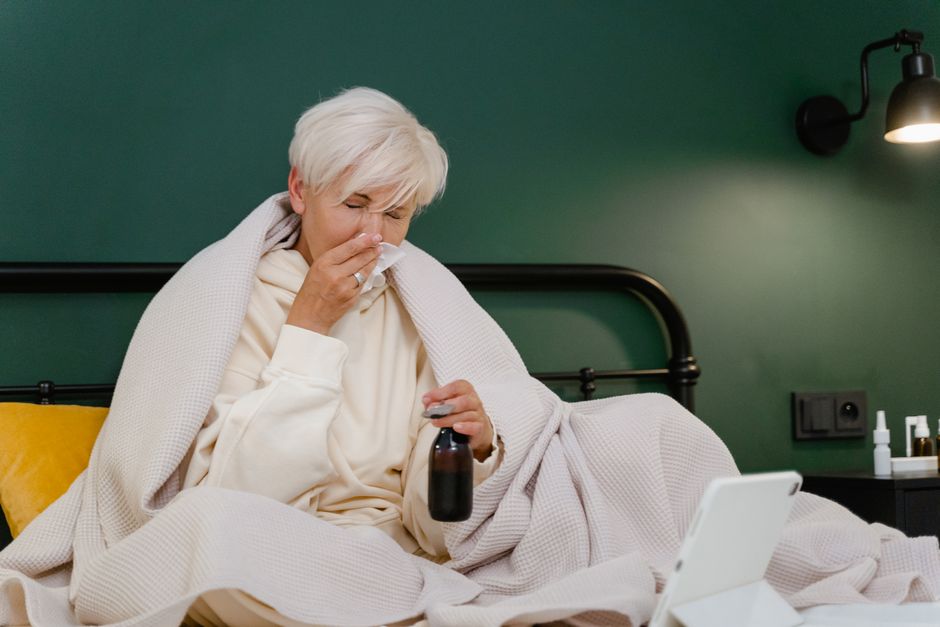
Pouring a drink to treat a cold is one of the most persistent health myths in circulation. Alcohol does not fight the viruses that cause the common cold, does not shorten how long you are sick, and does not boost your immune system. In fact, the evidence points the other way: drinking while you are sick can make you feel worse and may slow your recovery.
The idea survives because a drink can temporarily dull a symptom or two. But feeling different is not the same as getting better. This article explains what alcohol actually does to a body fighting a cold, where the myth came from, and what the evidence does and does not support.
Does Alcohol Kill Cold Viruses?
No. Alcohol kills some viruses on surfaces, which is why it is used in hand sanitizers and disinfectants. That is a completely different situation from drinking it.
When you swallow alcohol, it travels through your digestive system and into your bloodstream. It does not reach the lining of your nose and throat in concentrations that could disable a cold virus. Cold viruses infect the cells lining your upper respiratory tract, and the alcohol in your blood never comes into contact with those infected cells in a way that would matter.
The concentration matters too. Hand sanitizers typically contain around 60 to 70 percent alcohol to be effective against many germs. A cocktail or a beer contains a few percent to around 40 percent alcohol, and it is quickly diluted by everything else in your body. There is no evidence that any drinkable amount of alcohol kills cold viruses inside your body.
Why Does a Drink Seem to Help?
A drink can take the edge off how you feel, and that is the whole story. Alcohol is a central nervous system depressant. It slows down some of the brain’s activity, which can temporarily dull aches, quiet a cough, and make you feel more relaxed.
It can also help you fall asleep faster. When you are congested and miserable, that can feel like relief. But the effect is short-lived and comes with a cost.
Alcohol is a diuretic, meaning it makes you urinate more. That can add to the dehydration that often comes with a fever, a sore throat, and a runny nose. Feeling dried out tends to make a cold feel worse, not better.
Alcohol also disrupts sleep quality. Even when it helps you drift off, it tends to fragment sleep later in the night. Good sleep is one of the few things that genuinely supports your body’s immune response, so trading real rest for a drink is a poor deal.
Does Alcohol Weaken Your Immune System?
Heavy and long-term drinking is linked to a weakened immune response. Research has found that people who drink heavily tend to get more infections and recover less well from them. This is well established.
The picture for a single drink or two is less clear. Some studies suggest that even moderate drinking can have short-term effects on immune function, but the evidence is mixed and the effects are not well defined. What is clear is that alcohol is not doing your immune system any favors while you are fighting an infection.
Your body clears a cold virus on its own, usually within about a week to ten days. The immune system does the work. Alcohol does not speed that process up, and there is no good evidence that it helps it along.





Where Did the “Hot Toddy” Idea Come From?
The hot toddy is an old remedy, usually made with whiskey, honey, lemon, and hot water. It has been passed down for generations, and it is easy to see why it feels comforting.
Warm liquid soothes a sore throat. Honey can calm a cough, and there is reasonable evidence for that. Lemon adds flavor and a little vitamin C. The steam from a hot drink can loosen congestion and feel good on a stuffy nose.
The alcohol is the part that does not help. If you strip it out, you are left with a warm, sweet drink that genuinely feels soothing. That version makes sense. The whiskey does not add anything your body needs, and it brings the downsides described above.
It is worth being clear about one thing: a hot toddy is not medicine. It may make you feel more comfortable for a little while, but it will not treat the infection or shorten your illness.
Can Drinking Make a Cold Worse?
Yes, in several practical ways. The most direct is dehydration. Alcohol makes you lose fluid, and a cold already tends to leave you dried out. That combination can worsen a sore throat, thicken mucus, and leave you feeling more run down.
Alcohol also interferes with sleep, as noted above. Poor sleep during an illness is not helpful when your body is trying to fight off a virus.
There is another concern worth naming. Drinking while you are taking cold and flu medications can be risky. Many over-the-counter products contain acetaminophen (also called paracetamol), and combining it with alcohol raises the risk of liver damage. Other products contain antihistamines or cough suppressants that can make you drowsy, and alcohol adds to that drowsiness. Some contain decongestants that can raise blood pressure, and alcohol can affect blood pressure too.
If you are taking any medication for a cold, check the label before you drink. When in doubt, skip the alcohol.
What Actually Helps a Cold?
There is no cure for the common cold. The goal is to manage symptoms and let your body do its job. Several things have reasonable evidence behind them.
- Rest. Sleep supports immune function. Give your body the time it needs.
- Fluids. Water, broth, and warm drinks keep you hydrated and soothe your throat. This is where a hot drink without alcohol fits in.
- Honey. For adults and children over one year old, honey can help calm a cough. Never give honey to infants under one year because of the risk of infant botulism.
- Saline nasal rinses or sprays. These can ease congestion and are generally safe when used correctly.
- Humidified air. A cool-mist humidifier can make a stuffy nose and dry throat feel better.
- Over-the-counter symptom relief. These do not shorten the cold, but they can make you more comfortable. Follow the label and ask a pharmacist if you have questions.
Antibiotics do not help a cold. Colds are caused by viruses, and antibiotics only work against bacteria. Taking them for a cold does nothing except raise the risk of side effects and antibiotic resistance.
If your symptoms are severe, last longer than about ten days, or keep getting worse, see a doctor. A cold can sometimes turn into a sinus infection, an ear infection, or bronchitis, and those may need different care.
The Bottom Line on Alcohol and Colds
Alcohol will not help a cold. It does not kill the virus, does not strengthen your immune system, and does not shorten your illness. At best, it temporarily blunts how you feel. At worst, it dehydrates you, disrupts your sleep, and interacts badly with common cold medicines.
The myth persists because a drink can feel soothing in the moment. But comfort and treatment are not the same thing. If you want a warm, soothing drink while you are sick, a hot drink without alcohol gives you the same comfort without the drawbacks.
Frequently Asked Questions
Will alcohol help a cold?
No. Alcohol does not kill cold viruses, shorten the illness, or boost your immune system, and it can make you feel worse by causing dehydration and disrupting sleep.
Does a hot toddy cure a cold?
No. The warm liquid and honey may soothe your throat and calm a cough, but the alcohol adds no benefit and brings real downsides.
Can I drink alcohol while taking cold medicine?
It is risky and often best avoided. Many cold medicines interact badly with alcohol, and products containing acetaminophen can raise the risk of liver damage when combined with drinking.
How long does a cold usually last?
Most colds clear up on their own within about a week to ten days. See a doctor if symptoms are severe, last longer, or keep getting worse.
