
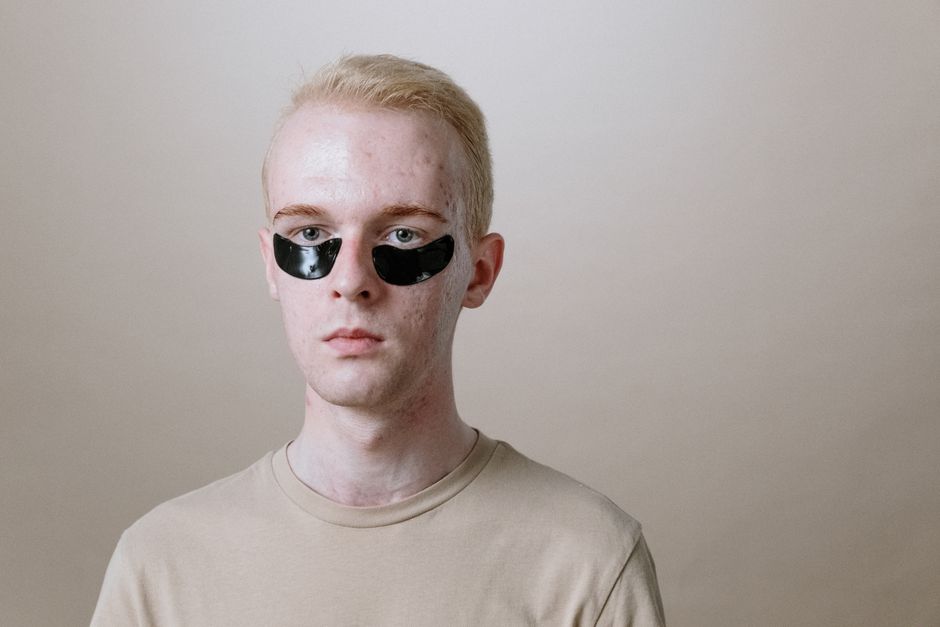
Acne scars do not fade on their own the way dark spots do. Dark spots are pigment changes that fade over time. True scars are structural damage to the skin, and the skin does not rebuild that tissue by itself.
That means the answer depends on what you are actually looking at. Brown or red marks left after a pimple are not scars, and those do fade. Indented or raised marks are scars, and those need treatment if you want them to improve.
Most people who think they have acne scars actually have a mix of both. Sorting out which is which is the first step.
What Is The Difference Between A Dark Spot And An Acne Scar?
A dark spot is discoloration. A scar is a change in the surface and texture of the skin.
After inflammation from acne, the skin often produces extra melanin in that spot. This is called post-inflammatory hyperpigmentation. The skin itself is flat and smooth when you run a finger across it. The color is the only thing that changed. This type fades over months as the skin turns over cells and the excess pigment clears.
Post-inflammatory erythema is the red or pink version. It comes from dilated blood vessels and inflammation left behind after the pimple heals. It also tends to fade with time, though it can take longer than the brown type.
A true scar is different. The skin has lost or gained tissue. You can feel it. An indented scar sits below the surface. A raised scar sits above it. The color may also be different, but the texture is the giveaway.
Here is the practical test. Stretch the skin gently between two fingers and look in a mirror. If the mark disappears or flattens when the skin is pulled tight, it is likely pigment or redness. If the indentation or bump stays visible, it is a scar.
This distinction matters because it changes what will help. Pigment fades on its own. Scar tissue does not.
Will Acne Scars Go Away On Their Own Or Need Treatment?
Atrophic scars, the indented kind, do not go away on their own. The skin does not regenerate the collagen and fat that were lost. Over years they may look slightly softer or less noticeable as the surrounding skin changes with age, but the structural defect remains.
Hypertrophic scars and keloids, the raised kind, also do not resolve without intervention. Some flatten partially over a long period, but they rarely disappear.
This is the part people find hardest to hear. There is no home remedy, cream, or oil that rebuilds lost collagen in a scar. Products marketed for scar removal mostly affect color and surface texture, not the underlying structure. That is not the same as making a scar go away.
What treatment can do is real but modest. Procedures can improve the depth, texture, and appearance of scars. They rarely make scars invisible. Setting that expectation honestly matters more than any before-and-after photo.
Timing also matters. Fresh scars respond better than old ones. Active acne needs to be controlled first, because new inflammation creates new scars. Treating scars while acne is still active is like mopping the floor with the tap still running.
What Are The Main Types Of Acne Scars?
Dermatologists sort acne scars into a few categories based on shape and depth. The type affects which treatments make sense.
- Ice pick scars are narrow and deep, like a small puncture. They are the most common type.
- Boxcar scars have sharp, defined edges and a flat bottom. They can be shallow or deep.
- Rolling scars give the skin a wavy or undulating look, caused by bands of tissue pulling the surface down.
- Hypertrophic scars are raised and firm, often on the jaw, chest, or back.
- Keloids are raised scars that grow beyond the original spot. They are more common in people with darker skin tones.
Most people have more than one type. A single face can show ice pick scars on the cheeks, rolling scars on the temples, and boxcar scars along the jaw. That is why treatment plans often combine more than one approach.




What Treatments Actually Improve Acne Scars?
The evidence is strongest for procedures that either resurface the skin or break up scar tissue so the body lays down new collagen. No single treatment works for every scar type.
Laser resurfacing uses fractional lasers to create tiny zones of controlled injury. The skin repairs those zones and produces new collagen. This is among the better-studied options for atrophic scars. Results are gradual and usually require several sessions.
Microneedling uses fine needles to puncture the skin and trigger a repair response. Some studies suggest it improves rolling and boxcar scars, particularly when combined with other treatments. Evidence for microneedling alone is more limited than for lasers.
Chemical peels at higher concentrations can improve shallow scars and uneven texture. Over-the-counter peels are not strong enough for scar tissue.
Subcision is a procedure where a needle is used to cut the fibrous bands pulling the skin down. It is used mainly for rolling scars. It is often combined with other treatments.
Fillers can temporarily lift indented scars by adding volume under the skin. The effect fades over months and requires repeat injections.
Dermabrasion and microdermabrasion sit at opposite ends of the intensity scale. Dermabrasion is a deeper procedure done by a physician. Microdermabrasion is superficial and has limited effect on true scars.
For raised scars and keloids, treatment often involves injections of corticosteroids, silicone gel sheets, or other approaches aimed at flattening the tissue. Keloids can be stubborn and may recur after removal.
One point worth stating plainly. Many of these treatments are widely used in clinical practice, but head-to-head comparisons between them are limited. That means no one can tell you with certainty that one procedure is best for your skin without seeing it.
Do At-Home Products And Remedies Work On Acne Scars?
No cream rebuilds lost collagen. That is the central fact about at-home scar products.
Some ingredients have evidence for related problems. Retinoids can improve skin texture and may help with discoloration. Silicone gel sheets have some evidence for flattening raised scars. Sunscreen prevents dark marks from getting darker, which matters more than most people realize.
What does not have good evidence for true scars includes vitamin E oil, cocoa butter, onion extract creams, and most scar oils sold online. Some of these are widely used. That does not mean they work. Vitamin E applied to scars has actually been linked to skin irritation in some people.
Be cautious with anything promising to erase scars at home. If a product could rebuild collagen through the skin surface, it would be a major medical advance, not a $30 bottle.
The one thing worth doing at home is controlling active acne. Fewer new pimples means fewer new scars. That is the most reliable prevention available.
When Should You See A Dermatologist?
See a dermatologist if your acne is leaving marks that bother you, if your acne is ongoing, or if you are unsure whether what you have is a scar or pigment.
A dermatologist can examine your skin and tell you which types of scars you have. That matters because treatment depends on type. A plan built for rolling scars will not help ice pick scars.
Earlier is generally better for scars. Fresh scars tend to respond more to treatment than older ones. There is no medical reason to wait years before asking about options.
Cost and insurance are real barriers. Scar treatments are often considered cosmetic, which means insurance frequently does not cover them. It is worth asking directly about cost before starting a plan.
If you have darker skin, ask about risks before any resurfacing procedure. Some treatments carry a higher risk of pigment changes in darker skin tones. A dermatologist experienced with your skin type should be able to explain this.
Can You Prevent Acne Scars From Forming?
You cannot fully prevent scars, but you can lower the odds. The main driver of scarring is inflammation, and inflammation comes from active acne.
Treating acne early and consistently is the most effective step. This means using proven acne treatments rather than waiting for pimples to clear on their own.
Do not pick, squeeze, or pop pimples. This increases inflammation and tissue damage, which raises the chance of scarring. It is one of the few risk factors fully within your control.
Protect your skin from the sun. UV exposure can make dark marks darker and slow healing. Daily sunscreen is a simple step with real benefit.
If you scar easily or have a family history of keloids, mention it to a doctor. It may change how aggressively your acne should be treated.
Frequently Asked Questions
Will acne scars go away on their own?
No, true acne scars do not go away on their own because the skin does not rebuild lost collagen or tissue. Dark spots and redness left after acne are not scars and do fade with time.
How can I tell if it is a scar or just a dark mark?
Stretch the skin gently and look closely. If the mark flattens or disappears, it is likely pigment or redness. If an indentation or bump remains, it is a scar.
What is the best treatment for acne scars?
There is no single best treatment, because it depends on scar type. Laser resurfacing, microneedling, subcision, and chemical peels are all used, and many people need a combination.
Do scar creams and oils really work?
No cream or oil rebuilds lost collagen in a scar, and vitamin E oil has been linked to skin irritation in some people. Silicone gel sheets have some evidence for raised scars, but not for indented ones.
