
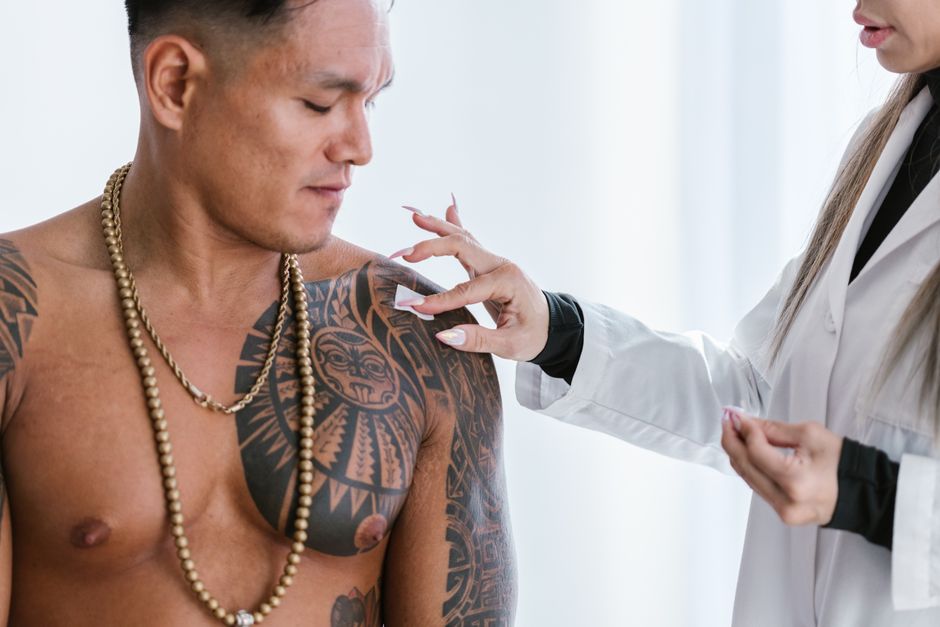
Getting a tattoo involves needles puncturing your skin hundreds of times per minute. It will hurt, but the level of pain varies based on location, your pain tolerance, and your mindset. Most people describe the sensation as a sharp scratching or burning feeling rather than an unbearable pain.
What Does the Pain Actually Feel Like?
People describe tattoo pain differently. Some say it feels like a cat scratch. Others compare it to a sunburn being rubbed. Many describe a vibrating, stinging sensation that becomes more tolerable as the session goes on.
The needle pierces the epidermis and deposits ink into the dermis, the second layer of skin. This is why the sensation is deeper than a simple surface scratch. Your body registers this as a minor injury, which triggers pain signals to your brain.
Most people are surprised by how manageable the pain is. The anticipation is often worse than the actual procedure. Once the needle starts, your brain adjusts to the sensation within a few minutes.
Which Body Parts Hurt the Most?
Pain levels depend largely on where the tattoo is placed. Areas with thin skin, less fat, and more nerve endings hurt more. Areas with thicker skin and more muscle or fat are less painful.
High-pain areas include the ribs, spine, hands, feet, ankles, and the back of the knee. These spots have little padding between the skin and bone. The armpit and groin are also extremely sensitive due to dense nerve networks.
Lower-pain areas include the upper arm, forearm, thigh, and calf. These areas have more muscle and fat to absorb the needle impact. The outer shoulder and upper back are also considered relatively manageable spots.
Your own pain tolerance plays a major role. Two people can get the same tattoo in the same spot and report completely different experiences.
How Long Does the Pain Last?
The pain during the tattoo lasts as long as the session. A small tattoo may take 30 minutes. A large piece with shading can take several hours. Some people take breaks during longer sessions to manage discomfort.
After the needle stops, the sharp pain ends immediately. What follows is a different type of discomfort. The tattooed area will feel sore, similar to a bruise or a fresh scrape. This soreness typically lasts 2 to 3 days.
Days 2 through 5 bring itching as the skin begins to heal. This is not the same as pain, but it can be intense. Scratching can damage the tattoo and cause ink loss, so most artists recommend tapping the area instead of scratching.
Full healing takes 2 to 4 weeks for the outer layers of skin. The deeper layers can take up to 6 months to fully settle. During this time, the area may feel tender if pressed firmly.





Does Tattoo Placement Change the Pain?
Yes, placement changes the pain significantly. The same design on the inner arm versus the outer arm can feel completely different. Inner surfaces of the body tend to be more sensitive than outer surfaces.
Areas where the skin moves constantly, like joints, can be more uncomfortable during the process. The artist needs to stretch the skin to get a clean line, which adds pressure to an already sensitive area.
Bony areas hurt more because the needle vibrates against the bone. This creates a deeper, more intense sensation. Areas with more padding, like the upper arm or thigh, absorb the vibration and reduce the pain.
Your artist can help you choose a placement that balances your design goals with your pain tolerance. Be honest about your concerns. A good artist will work with you.
What Makes Tattoo Pain Worse?
Several factors can increase pain during a tattoo session. Being tired, hungry, or dehydrated lowers your pain tolerance. Alcohol and certain medications thin the blood and can make the process more uncomfortable.
Stress and anxiety amplify pain perception. If you go into the session tense, your body stays tense, and the pain feels worse. Breathing exercises and focusing on something else can help reduce this effect.
Menstrual cycles can affect pain sensitivity in some women. Research on this is limited, but some women report more sensitivity during certain phases of their cycle. If you notice this pattern, scheduling around it may help.
Sleep deprivation is another factor. Your body processes pain signals differently when you are exhausted. Getting a full night of rest before your appointment is one of the most effective ways to reduce discomfort.
How to Reduce Tattoo Pain
Numbing creams are available over the counter and through your tattoo artist. These products contain lidocaine or benzocaine, which temporarily numb the skin surface. They work best when applied 30 to 60 minutes before the session.
Not all artists allow numbing creams. Some find they change the skin texture, making it harder to tattoo. Ask your artist in advance if they permit them. Never apply a numbing cream without your artist’s knowledge.
Over-the-counter pain relievers like acetaminophen can help with discomfort. Avoid aspirin and ibuprofen before your appointment. These medications thin the blood and increase bleeding, which can affect how well the ink settles.
Eating a solid meal before your appointment helps stabilize your blood sugar. This keeps your body from feeling weak or shaky during the session. Bring water and a snack in case you need a break.
Distraction works for many people. Listening to music, a podcast, or an audiobook can shift your focus away from the needle. Some people find that talking with the artist helps pass the time.
When Tattoo Pain Signals a Problem
Normal tattoo pain fades within a few days. If pain gets worse instead of better, something may be wrong. Increasing pain, redness, warmth, or swelling can indicate an infection.
Signs of infection include red streaks spreading from the tattoo, pus, fever, or pain that worsens after the third day. If you notice any of these, see a healthcare provider. Do not wait to see if it resolves on its own.
Allergic reactions to tattoo ink are rare but possible. Symptoms include intense itching, hives, or a rash that spreads beyond the tattoo area. Red ink is the most common allergen, but any color can cause a reaction.
If you have a history of keloid scarring, discuss this with your artist and a dermatologist before getting tattooed. Keloids are raised scars that can form over the tattoo and distort the design.
Does Age or Health Status Affect Tattoo Pain?
Age itself does not directly increase pain, but skin changes with age. Older skin is thinner and less elastic, which can make the tattooing process feel different. Healing may also take longer in older adults.
Certain health conditions can affect both pain and healing. Diabetes, poor circulation, and autoimmune conditions can slow healing and increase infection risk. If you have a chronic condition, talk to your doctor before getting a tattoo.
Pregnant women should not get tattoos. No clinical guidelines support the safety of tattoo ink during pregnancy. The primary concern is infection risk, which can affect both mother and baby.
Blood-thinning medications, including prescription drugs and supplements like fish oil, increase bleeding during the procedure. This does not necessarily increase pain, but it can make the session messier and affect the final result.
Frequently Asked Questions
How bad does a tattoo hurt on a scale of 1 to 10?
Most people rate tattoo pain between 3 and 7 out of 10 depending on placement. Areas with more padding like the upper arm feel closer to 3, while ribs and feet can reach 7 or higher.
Does getting a tattoo feel like a needle shot?
No, it feels different. A shot is one quick puncture, while a tattoo is a continuous scratching or vibrating sensation that lasts for the entire session.
Can I take painkillers before a tattoo?
Acetaminophen is generally acceptable, but avoid aspirin and ibuprofen because they thin the blood and increase bleeding. Always ask your tattoo artist for their specific guidance before taking anything.
How long does tattoo pain last after the session?
The sharp pain stops as soon as the needle stops. Soreness lasts about 2 to 3 days, followed by itching for several days as the skin heals. Full healing takes 2 to 4 weeks.
