
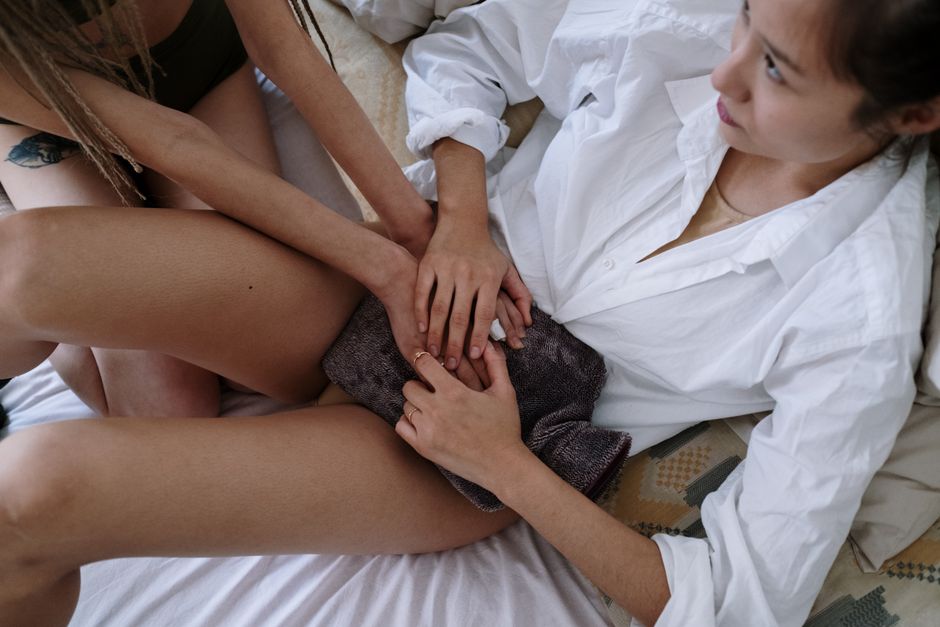
Yes. Heat is one of the most reliable things you can do for a cramp. It relaxes the muscle and calms the pain signals reaching your brain. A heating pad works for menstrual cramps, and it can help with some muscle cramps too. It is not a fix for the cause, but for many people it takes the edge off fast.
How Does Heat Actually Reduce Cramp Pain?
Heat does two things at once. It relaxes the muscle tissue, and it changes how your nervous system processes pain.
When you apply warmth to skin, blood vessels near the surface widen. Blood flow to the area increases. Muscle fibers that were locked in a tight contraction start to loosen. That physical relaxation is part of why heat feels good on a cramped muscle.
The other part happens in your spinal cord and brain. Nerve endings that sense warmth send signals that compete with pain signals. This is sometimes called the gate control idea — the theory that non-painful sensations can crowd out painful ones at the level of the spinal cord. Heat also appears to raise the threshold at which nerve endings fire, meaning it takes more stimulation before you feel pain.
For menstrual cramps, the mechanism is slightly different. Period cramps come from the uterus contracting. That contraction is driven by hormone-like compounds called prostaglandins, which also cause inflammation and pain. Heat applied to the lower belly increases local blood flow and appears to reduce muscle activity in the uterine wall. It does not block prostaglandin production the way anti-inflammatory drugs do, but it can still lower the pain you feel.
Will A Heating Pad Help Cramps From Your Period?
Yes, and this is the best-studied use of heat for cramps. Research has compared continuous low-level heat against over-the-counter pain relievers for menstrual pain, and heat has performed well in those comparisons.
The catch is that the studies tend to be small. A few hundred participants across several trials is not the same as tens of thousands. The direction of the findings is consistent, but the evidence base is modest. That said, the risk of using a heating pad on your abdomen is very low when you follow basic safety rules, so many clinicians suggest trying it first.
Practical points that matter:
- Continuous low-level heat — the kind from a patch or a pad kept at a steady warm temperature — tends to work better than brief bursts of high heat.
- Applying heat to the lower abdomen or lower back both seem to help. The lower back is worth trying if belly heat feels uncomfortable.
- Heat and an anti-inflammatory drug like ibuprofen work through different pathways, so combining them is reasonable for many people. If you take medication, follow the label and check with a pharmacist if you take other drugs.
Does Heat Help Muscle Cramps Too?
For muscle cramps, heat helps with comfort and relaxation. It does not appear to stop the cramp from happening in the first place.
A muscle cramp is a sudden, involuntary contraction. The muscle fires hard and will not let go. Heat can help it release by increasing blood flow and reducing the excitability of the nerve that triggers the contraction. Massage and gentle stretching do something similar.
Where heat is less useful is prevention. If you get cramps often, the underlying issue is usually something else — dehydration, low electrolyte levels, a medication side effect, or a nerve problem. A heating pad treats the symptom, not the source. That distinction matters if cramps are frequent or getting worse.
One more note on muscle cramps: the evidence for most prevention strategies is weaker than people assume. Stretching before exercise, for example, has not been shown in good trials to prevent exercise-associated cramps. Drinking enough fluid and replacing sodium during long, sweaty activity is more solidly supported, though even that evidence is not airtight.




Heat or Ice — Which One Should You Use?
Use heat for cramps and tight, knotted muscles. Use ice for a fresh injury, swelling, or a muscle that is inflamed and hot to the touch.
The rule of thumb most clinicians use: heat relaxes, ice numbs and reduces swelling. A cramp is a contraction problem, not a swelling problem, so heat usually fits better.
There is a real exception. If you strained a muscle and it is now cramping, you may have both problems at once — inflammation from the strain and a contraction on top of it. In that case, ice first for the acute phase, then heat once the swelling settles. If you are not sure which you have, start with whichever feels better and stop if it makes things worse.
| Use heat when | Use ice when |
|---|---|
| The muscle is tight, knotted, or in a sustained contraction | The area is swollen, red, or hot to the touch |
| Cramps are from menstruation | You have a fresh strain or sprain |
| You want the muscle to relax and blood flow to increase | You want to reduce inflammation and numb pain |
| The pain is dull and achy | The pain is sharp and recent |
How Do You Use a Heating Pad Safely?
The main risk from a heating pad is a burn, and burns happen more easily than most people expect — especially during sleep or when you cannot feel the heat properly.
Key safety points:
- Never fall asleep with a heating pad on. This is the most common way people get burned.
- Do not use the highest setting for long periods. Start low and increase only if you need to.
- Put a thin layer of cloth between the pad and your skin. Never place it directly on bare skin for extended use.
- Limit sessions to about 15 to 20 minutes at a time, then take a break. This is standard guidance for heat therapy.
- Do not use a heating pad on numb skin, on broken skin, or over an area with poor circulation.
- If you have diabetes, nerve damage, or a condition that affects sensation, talk to your doctor before using heat on your legs or feet. You may not feel a burn developing.
- Check the cord and pad for damage before each use. Older pads with frayed cords are a fire risk.
Pregnant women should check with their doctor before applying heat to the abdomen. Heat raises core temperature, and prolonged high heat exposure in pregnancy is something clinicians generally advise against. Short, low-level use of a pad on the lower back is often considered fine, but this is a case where you want your own doctor’s input rather than a general rule.
When Should You See a Doctor About Cramps?
Most cramps are harmless and pass on their own. Some are a sign of something that needs medical attention.
See a doctor if:
- The pain is severe, sudden, and unlike cramps you have had before
- Cramps come with heavy bleeding, fever, or vomiting
- You have leg cramps along with swelling, warmth, or redness in one leg — this can signal a blood clot, which is an emergency
- Cramps are frequent enough to disrupt sleep or daily life
- You get muscle cramps often and they are not linked to exercise or dehydration
- You take a diuretic, statin, or other medication and cramps started after you began it
Frequent muscle cramps can be tied to low levels of potassium, magnesium, or calcium, to thyroid problems, to kidney disease, or to nerve conditions. A heating pad will not fix any of those. It can make you more comfortable while you figure out what is going on.
Frequently Asked Questions
How long should you leave a heating pad on for cramps?
About 15 to 20 minutes at a time is standard guidance, then take a break. Never leave it on while you sleep.
Is heat or ibuprofen better for period cramps?
Research comparing continuous low-level heat with over-the-counter pain relievers has found heat performs well, and the two work through different pathways so they can be combined. The studies are small, so treat this as a reasonable first option rather than a proven winner.
Can a heating pad make cramps worse?
It can if the area is swollen or inflamed, since heat increases blood flow and may add to swelling. If the area is hot, red, or puffy, use ice instead.
Does a heating pad help leg cramps at night?
It can relax the muscle and ease the pain during an episode, but it does not address why the cramps keep happening. Frequent night cramps are worth mentioning to a doctor.
